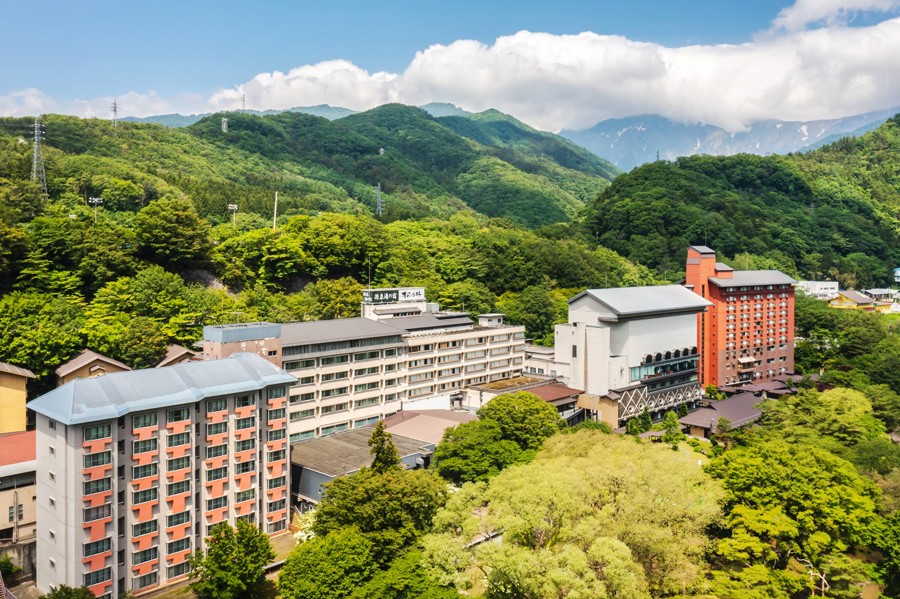
Hijiori Onsen: Japan's Snowiest Hidden Hot Spring
Imagine a narrow mountain road in Yamagata, lined with snow piled taller than most cars. That's the approach to Hijiori Onsen, a small onsen village in the Mogami district of Yamagata Prefecture. The area sits at a relatively high elevation and gets absolutely hammered by Japan Sea snowfall every winter, sometimes accumulating several metres of snow before spring even thinks about arriving.
Hijiori Onsen itself is old. Very old. The hot springs here have been used for well over a thousand years, and the village still has that unhurried, traditional atmosphere you just don't find in the bigger resort towns. It's the kind of place where a handful of ryokan line a narrow lane, steam drifts across the road, and locals actually know each other's names. No wonder visitors who make the effort to get here tend to come back.
The word onsen, written in kanji, is 温泉, read as onsen. Hiji means elbow in Japanese, and ori means weaving or folding. Local legend says the name comes from a crane that healed its injured wing in the waters here. Classic Japan, right?
The Giant Snowman of Ohkura Village
Here's where things get fun. Every year, residents of Ohkura, a small hamlet close to Hijiori Onsen, construct a massive snowman right in the middle of their community. We're not talking about a waist-high snow sculpture you'd see in someone's front garden. This figure stands several metres tall and is built with the kind of care and effort that shows people genuinely look forward to doing it.
The tradition has been going on for years, built up quietly without any major tourism campaign behind it. That's actually what makes it special. There's no corporate sponsor, no light-up countdown event. Just villagers getting together, packing snow, and creating something that makes people stop and smile. Speaking of which, this kind of grassroots community event is quite typical for rural Japanese villages, where seasonal rituals help anchor the year and bring neighbours together during the long winter months.
How Big Is It, Exactly?
Reports from the local community and coverage by The Mainichi confirm the snowman is large enough to draw visitors from outside the immediate area. While the exact height varies from year to year depending on snowfall and how ambitious the builders are feeling, figures of three metres and above have been mentioned. For context, that's roughly twice the height of an average adult.
What I especially like is that the snowman doesn't come with an information board or a QR code or any of that. It just stands there, cheerful and slightly absurd, doing exactly what a snowman is supposed to do.
Winter Culture in Rural Yamagata and What It Means
Yamagata Prefecture is famous for several things: its cherries in summer, its Dewa Sanzan mountain pilgrimage routes, and in winter, an almost aggressive amount of snow. The prefecture regularly records some of the heaviest snowfall in Japan's mainland regions. That heavy snow has shaped local culture in real and visible ways.
Snow figures and sculptures aren't unusual across Japan's snowy regions. The Sapporo Snow Festival in Hokkaido is the most famous example, drawing millions of visitors with enormous illuminated sculptures every February. But the Ohkura snowman sits at the opposite end of that scale. It's a small community, no admission fee, and no official programme. That contrast is actually worth thinking about when you consider what makes Japanese local culture tick.



That reminds me: the Japanese word for snowman is 雪だるま, read as yuki-daruma. The daruma part connects to the round, roly-poly shape of a Daruma doll, those red papier-mâché figures based on the Zen monk Bodhidharma. So, a Japanese snowman isn't just a snowman. It's carrying a whole layer of cultural reference with it. Sounds weird, but it's true.
Getting to Hijiori Onsen
It's not the easiest destination to reach, and that's part of the charm. From JR Shinjo Station in Yamagata Prefecture, you can take a bus run by Yamagata Kotsu that heads toward Hijiori Onsen. The journey takes around 50 minutes depending on road conditions. In winter, always check road and bus status in advance since heavy snowfall can affect access.
My tip is to aim for February or early March if you're making the trip specifically to see the snowman, before the thaw begins. Pair it with a soak in the onsen and an overnight stay at one of the small ryokan in the village. You won't regret it. Personally, I think these kinds of off-the-beaten-path winter experiences are what stay with you long after the photos fade.
Why This Kind of Tradition Matters for Japan Learners
Ever wondered why Japanese language courses spend so much time on seasonal vocabulary? It's because the seasons, 季節, read as kisetsu, are genuinely central to how Japanese people talk about life, food, travel, and community. Winter, 冬, read as fuyu, isn't just cold weather. It's a whole set of associations: hot pot dinners, illuminations, New Year preparations, and yes, local snow sculptures built by villagers who've been doing it for years.
While we're at it, learning words like 雪 yuki for snow, 温泉 onsen for hot spring, and 村 mura for village gives you a real framework for understanding news stories and travel articles like this one. These aren't textbook abstractions. They're the actual words you'd see on a sign in Ohkura.
And it gets better: because Hijiori Onsen is so small and relatively unvisited by international tourists, if you do make it there, you'll likely end up having real conversations with locals rather than navigating a crowd. That's priceless for anyone trying to practise Japanese outside a classroom.
Convinced yet? Rural Yamagata in winter is genuinely one of Japan's most rewarding detours for travellers who don't mind trading convenience for atmosphere.
Frequently Asked Questions
Where exactly is the giant snowman in Yamagata?
The snowman is built in Ohkura, a hamlet near Hijiori Onsen in the Mogami district of Yamagata Prefecture. It's a community-built snow figure erected each winter by local residents.
When is the best time to visit Hijiori Onsen to see the snowman?
February to early March is usually the best window, when snow is deep and the figure is most likely to still be standing. Check local conditions before travelling as access can be affected by heavy snowfall.
How do I get to Hijiori Onsen from Tokyo?
Take the Shinkansen to Shinjo Station in Yamagata Prefecture, then board a Yamagata Kotsu bus toward Hijiori Onsen. The bus ride takes roughly 50 minutes. Total travel time from Tokyo is around 3 to 3.5 hours.