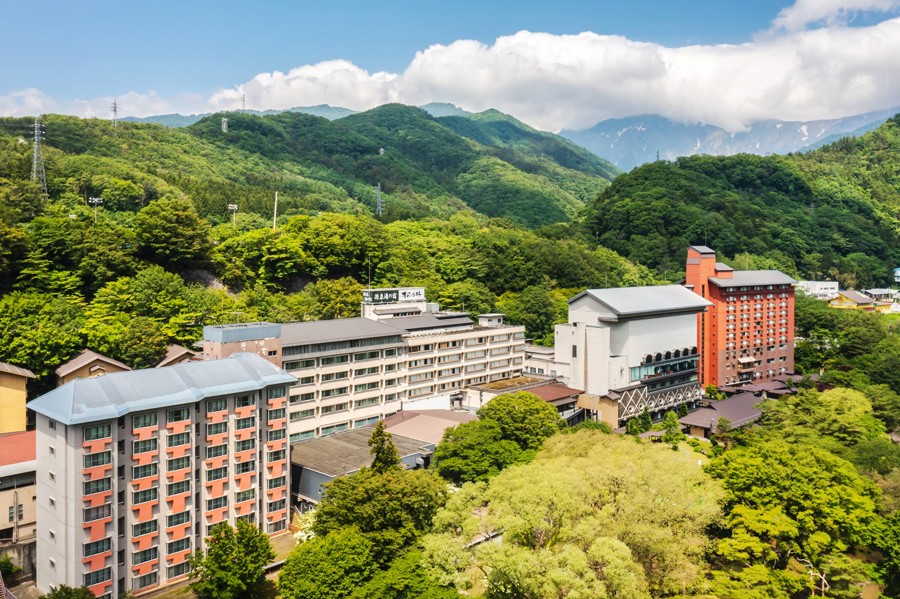
Why Takaragawa Onsen in Minakami, Gunma stands out
Question: where else can you soak in steaming water beside a fast mountain river while snow piles up on the rocks? Takaragawa Onsen, located in Minakami in Tone District, Gunma Prefecture, is that place. Trust me on this one; its riverside pools are unusually large, set among boulders and beech trees, attracting photographers and onsen lovers from Tokyo and beyond. My verdict? This is one of Japan's most visually dramatic 温泉 (onsen) landscapes.
The outdoor baths: a photographic rotating postcard
Fact: the baths at Takaragawa are primarily open-air 露天風呂 (rotenburo), some stretching tens of meters along the Takaragawa river. Fun fact: in deep winter, the steam rising off the pools mixes with falling snow, creating an otherworldly scene that's perfect for travel photos. Before I forget, many of the iconic photos you see online were shot in February and March, when the contrast of black stones, white snow, and evergreen or red beeches is at its peak. Personally, I think the visual payoff is worth planning a trip in the colder months.
Mixed and separate bathing traditions
Let's be honest; Takaragawa once had mixed-gender swimming areas, a tradition called 混浴 (konyoku). The ryokan that manages the site, Takaragawa Onsen Osenkaku, now runs separate bathing times or areas for men and women at certain hours, plus private baths for rent. Pro tip: check the facility's current bathing policy before you go, because schedules change seasonally and on busy dates.
Staying ryokan-style at Takaragawa Onsen Osenkaku
It's early morning in Kyoto. No, wait, this is different because at Takaragawa you'll wake to the roar of a mountain river instead of city streets. The accommodation follows a traditional 旅館 (ryokan) layout: tatami rooms, futon bedding, and kaiseki-style meals on request. Compared to back home, sleeping on futons in a tatami room feels compact but very comfortable, and that rustic atmosphere enhances the hot-spring experience. What I especially like? Rooms that overlook the river make the stay feel private, even when the outdoor baths are lively with guests.
Meals and local produce
Quick detour: Gunma is known for local vegetables and nikuzakana dishes, and many ryokan include regional kaiseki dinners. My tip? Try the seasonal vegetables and a small serving of Gunma konnyaku if it's offered; they often arrive as part of dinner. See what I mean?



How to get there and practical travel info
Direct address: you can reach Minakami by shinkansen and local lines from Tokyo, then take a local bus or taxi to the Takaragawa area. The reason's simple; the rail-and-bus combo is efficient and common among day-trippers and overnight guests. Typical travel time from Tokyo is around two to three hours depending on connections. Bring cash, because smaller ryokan counters and vending machines at the site sometimes prefer it.
Packing and onsen etiquette
I still remember exactly how surprised I was the first time I saw the towels: small face towels are the norm for modesty but not for soaking; you don't put towels in the bathing water. Trust me on this one; wash and rinse thoroughly at the shower areas before entering the pools. While we're at it, tattoos can be sensitive at traditional ryokan; some places accept them, some ask you to cover them, and others offer private baths as a workaround.
Seasonal highlights: snow, red beeches and autumn colour
Compared to summer visits, winter offers the most cinematic scenery at Takaragawa. Sounds weird, but it's true; the snow-laden rocks and the naked branches of local beech trees, called buna or red beech in English, create dramatic contrasts. Before I forget, autumn is also remarkable when the surrounding hills show strong red and gold tones. Personally, the winter soak with steaming water, falling snow, and a hot mug of tea afterward is simply brilliant.
Frequently Asked Questions
Do I need to book in advance?
Yes, it's recommended to book rooms and private baths ahead, especially in peak seasons like winter and autumn.
Are the outdoor baths family-friendly?
Yes, but check gender-separation times and rules for children with the ryokan before arrival.