What Makes Wakayama Ramen So Different
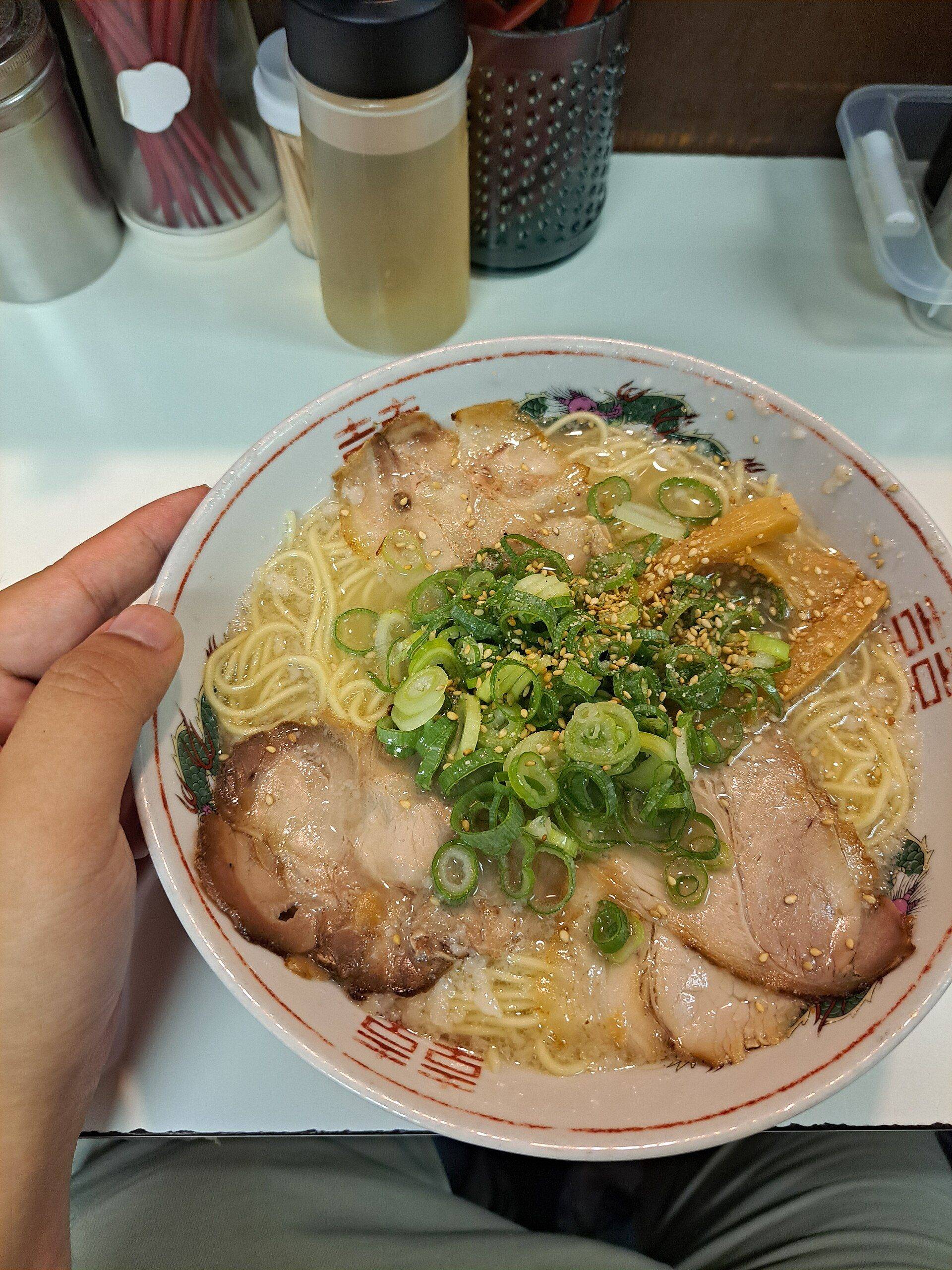
Let me show you why Wakayama ramen has its own chapter in Japan's ramen story. While Tokyo has its shoyu and Sapporo has its miso, Wakayama developed something distinct: a tonkotsu-shoyu hybrid that's rich, clear, and punchy all at once. Locals call it chuka soba, which literally means "Chinese noodles" in Japanese, even though it's completely its own thing at this point.
The broth at Ide Shoten is the result of decades of refinement. Pork bones and soy sauce are simmered together until the soup hits that perfect balance between dark umami depth and a surprisingly clean finish. The noodles are thin and straight, almost delicate, which works beautifully against the intensity of the soup. On top, you'll typically find chashu pork, a soft-boiled egg, and a few strips of nori. No frills, no gimmicks, just a bowl that's been thought through very carefully over a long time.
What many overlook is that Wakayama Prefecture sits on the Kii Peninsula south of Osaka, and its food culture has developed somewhat separately from the Kansai mainstream. That regional independence shows up in every spoonful of this ramen. See what I mean?
Ide Shoten: The Shop, the Location, the Legend
Ide Shoten (井出商店) has been serving its version of Wakayama ramen since the 1950s. The shop is at 4-84 Nishimachi in Wakayama City, and yes, it really is about a five-minute walk from JR Wakayama Station, which makes it genuinely easy to add to a Japan itinerary without a car or local knowledge.
The Queue Is Part of the Deal
Hand on heart, the line outside Ide Shoten can stretch around the block on weekends. Some visitors wait over an hour, and the strange thing is, almost nobody seems to mind. There's something about queuing for ramen in Japan that feels almost ceremonial. You're not just waiting for food; you're signalling that you know what's worth waiting for.
The shop's interior is small and no-frills. Think plastic stools, wooden counters, and staff who move with the kind of practiced efficiency that only comes from doing the same thing extremely well for decades. The atmosphere is pure shitamachi, that old downtown Japan feeling that gets harder to find the more cities modernise. Classic Japan, isn't it?
The Menu: Keep It Simple
Ide Shoten's menu is refreshingly short. The main event is chuka soba, available in regular or large portions, and most tables also order a side of hayazushi, which is a local pressed mackerel sushi that pairs surprisingly well with the salty broth. Prices are reasonable by any standard, with a bowl of ramen coming in under 1,000 yen as of recent visits.
My tip is to go on a weekday and aim for opening time if you want to minimise your wait. The shop opens for lunch and closes once the soup runs out. Yes, they actually close when the broth is gone for the day. That alone tells you something about how seriously they take the product.



The Pilgrim Factor: Why People Travel Just for This Bowl
No joke, Ide Shoten regularly appears on national TV food programmes and in ramen ranking lists across Japan. It was featured in the long-running TV Tokyo series covering regional ramen destinations, and food writers from major Japanese outlets have made the trip to Wakayama specifically for this shop. That's not hype; that's a track record built over roughly seventy years.
For Japanese learners, this is actually a great entry point into understanding how deeply ramen culture connects to regional identity in Japan. The word furusato (故郷), meaning hometown or home region, carries a lot of emotional weight in Japanese culture, and for many people from Wakayama, Ide Shoten's ramen is furusato in a bowl. Learning words like oishii (delicious), narabu (to queue), and meibutsu (local speciality or famous product) will serve you well when talking about experiences like this one.
To be fair, not every visitor rates Ide Shoten as the single best bowl they've ever had. Ramen is personal. But almost everyone agrees that the experience, the location, the atmosphere, and the history add up to something that goes well beyond the food itself. That's the pilgrim factor. You're not just eating lunch; you're participating in something that has mattered to a lot of people for a long time.
Getting There and Practical Tips
From JR Wakayama Station, Ide Shoten is walkable in five minutes heading west. If you're coming from Osaka, the JR Wakayama Line connects Tennoji Station to Wakayama Station in just under an hour. Wakayama is also accessible via the Nankai Electric Railway from Namba Station if you're starting from central Osaka.
Quick detour: while you're in Wakayama, the castle (Wakayama-jo) is a short bus ride from the station and absolutely worth an hour of your time. The city doesn't get the tourist traffic of Kyoto or Nara, which makes it feel genuinely local in a way that's increasingly rare in Japanese tourism.
What I especially like is that Ide Shoten doesn't rely on social media or fancy branding. There's no English menu, no QR code ordering system, and no influencer partnerships. It's just a shop that makes one thing very well and trusts that people will find their way there. In a food landscape full of noise, that kind of quiet confidence is rare. Convinced yet?
Frequently Asked Questions
Where exactly is Ide Shoten in Wakayama?
Ide Shoten is located at 4-84 Nishimachi, Wakayama City, about a five-minute walk west of JR Wakayama Station. It's easy to reach without a car.
How long is the wait at Ide Shoten?
Wait times vary. On weekdays at opening time, you might get in quickly, but on weekends expect anywhere from 30 minutes to over an hour. The queue is considered part of the experience by most visitors.
What should I order at Ide Shoten?
Order the chuka soba, the tonkotsu-shoyu ramen the shop is famous for. Many regulars also add a portion of hayazushi, the local pressed mackerel sushi, as a side dish.