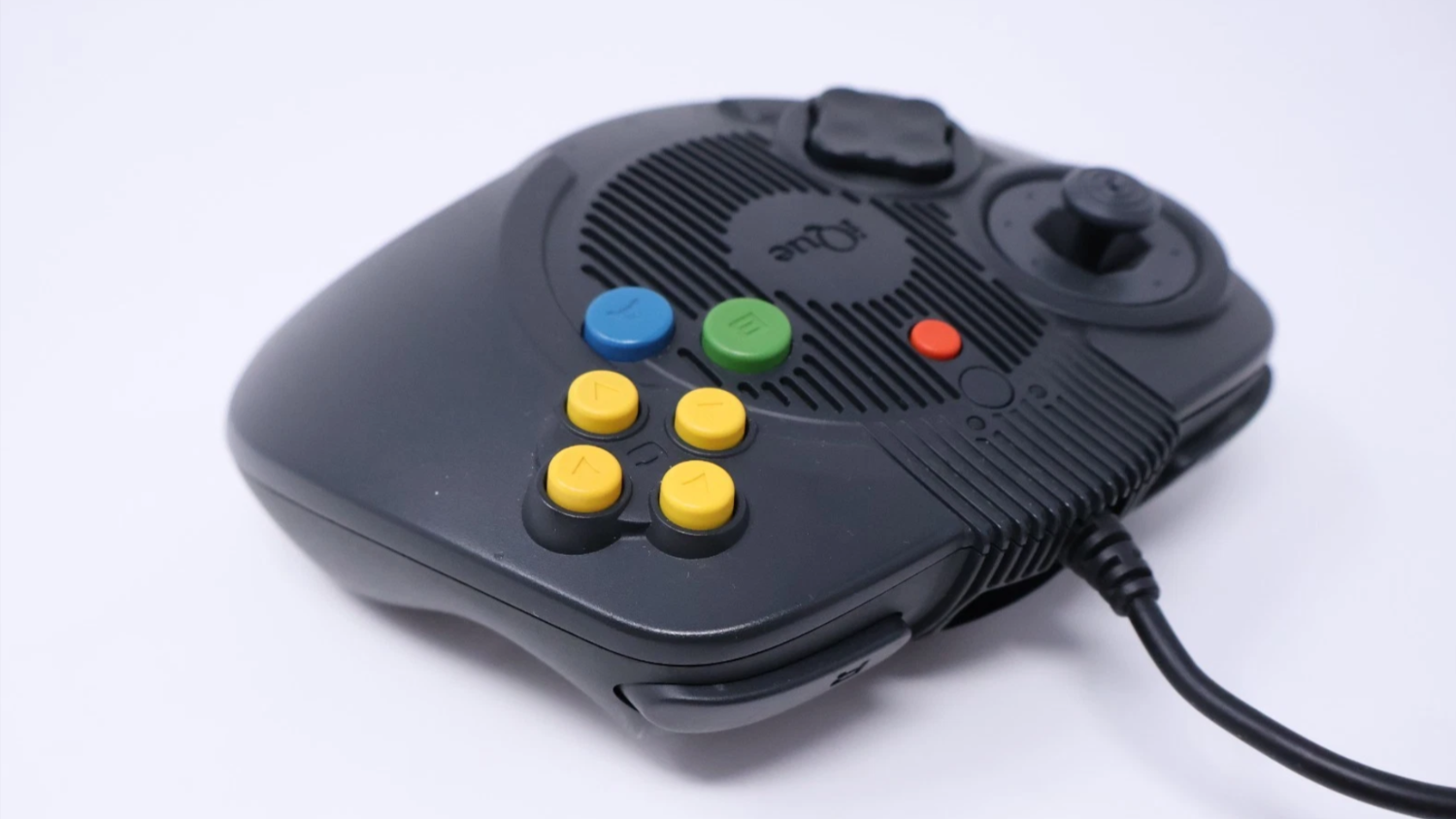
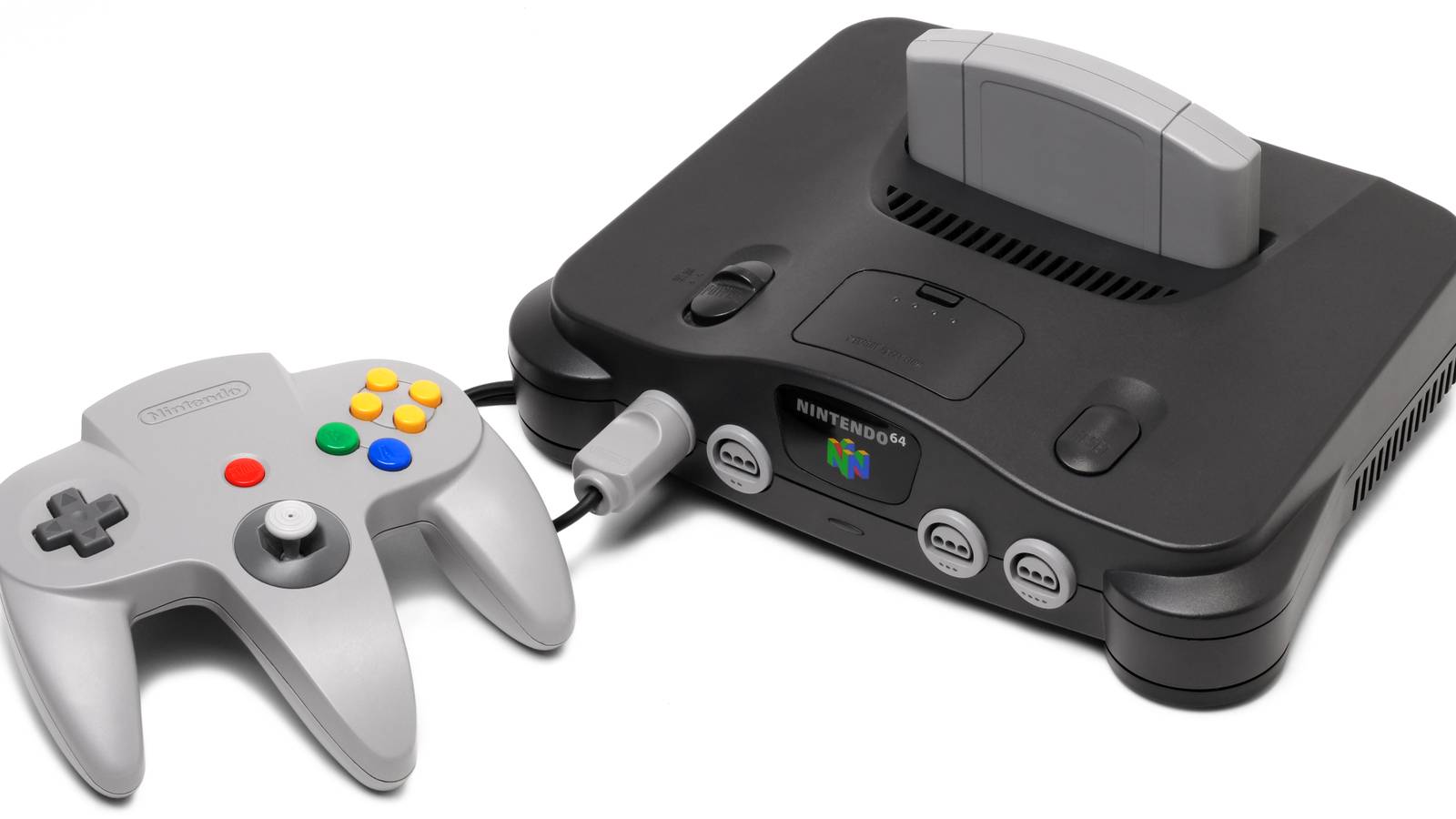
For Japan fans and Japanese learners, this is one of those retro moments that connects gaming history with language, culture, and a very specific kind of childhood excitement. The N64 was Nintendo's first true 3D console, and that alone makes the anniversary feel special.
![Dragon Ball Z: Kakarot [Master Edition]](https://s.pacn.ws/1/p/1eh/dragon-ball-z-kakarot-master-edition-908785.1.jpg?v=t8ja8t&width=400)
![Startup Company [Console Edition] (Limited Edition)](https://s.pacn.ws/1/p/157/startup-company-console-edition-limited-edition-741799.16.jpg?v=ry4mm8&width=400)
![Startup Company [Console Edition]](https://s.pacn.ws/1/p/157/startup-company-console-edition-741779.10.jpg?v=ry4ngq&width=400)
Guess what? The Nintendo 64 is turning 30 on 23 June 2026, and Nintendo is using the milestone to call on its community for memories. If you grew up with Mario Kart 64, The Legend of Zelda: Ocarina of Time, or Super Smash Bros., you already know why this matters. For many players, the N64 wasn't just another machine under the TV, it was the moment gaming stepped into a new dimension.

Compared with back home, Japan's gaming anniversaries often come with a nice mix of corporate nostalgia and fan participation. Nintendo isn't just reminding people that the console launched in Japan in 1996, it's asking them to contribute stories, photos, and personal recollections. That community angle matters, because retro gaming in Japan often lives through shared memory, collector culture, and the kind of word-of-mouth that keeps old hardware alive long after production ends. My tip: if you want to follow Japanese gaming news with a learner's eye, this is a great chance to pick up words like 記憶 (kioku) for memory and 思い出 (omoide, memory; cherished recollection) for cherished recollection. Not bad, right?
Nintendo 64 at 30: why this anniversary still lands
Let me show you why the N64 still gets people talking. It was Nintendo's first 3D home console, and that change was huge in the mid-1990s. Super Mario 64 showed how a platform game could work in full 3D, and games like Wave Race 64, Pilotwings 64, and Diddy Kong Racing helped define what the system could do. The controller was strange, even a little awkward at first, but it also felt like a sign that the industry was moving forward.
What many overlook: the Japanese launch date, 23 June 1996, is the real anchor for this anniversary. The console reached North America later that year, on 29 September 1996, and Europe in March 1997, so different regions remember different launch moments. In Japan, though, the 30th anniversary will have a very specific flavour, tied to the first wave of 3D gaming and the early days of Nintendo 64 Magazine, demo kiosks, and those precious holiday wish lists.
Why fans still remember the controller
Trust me on this one: the N64 controller is part of the legend. Three grips, one analog stick, and a layout that looked odd until your hands learned it. It changed how 3D movement felt, especially in Super Mario 64 and The Legend of Zelda: Ocarina of Time. Many people still remember the first time they used the analog stick to control Mario in open space, and it felt like the future had arrived.
On a related note: the console also helped make four-player couch gaming a household ritual. GoldenEye 007, Mario Party, and Mario Kart 64 turned living rooms into noisy battlegrounds. If you're learning Japanese, it's worth noticing how fans often talk about those memories using simple, emotional language, words like 楽しい (tanoshii, fun; enjoyable) for fun, 懐かしい (natsukashii, nostalgic; fondly reminiscent) for nostalgic, and 大切 (taisetsu, precious; important) for precious. Classic Japan, isn't it?
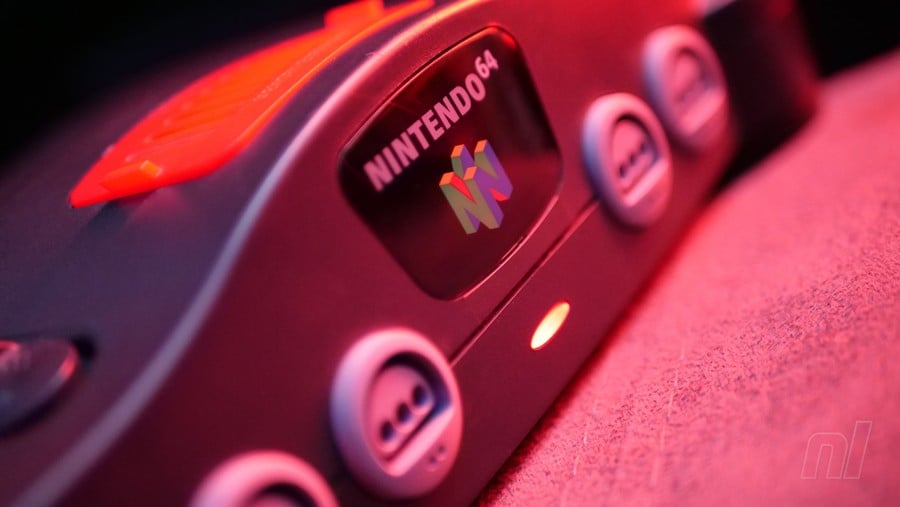
Nintendo's community call and what it means for fans
While we're at it: Nintendo's request for memories isn't just marketing fluff. These calls usually turn into social media posts, anniversary features, and fan showcases that help frame the console's legacy through real experiences. A company can list release dates and sales figures, but it can't replace the voice of someone who remembers blowing into cartridges, renting games from a local shop, or saving up for a first copy of Pokémon Stadium. That human layer is what makes anniversary coverage feel alive.
Take Mario Kart 64, for instance. For one player, it might be the game that ruined friendships in the best way possible. For another, it could be the soundtrack, especially the bright, slightly jazzy menu themes that still echo in memory decades later. Nintendo's community appeal gives those tiny details a place to surface, and that matters more than a bland product page ever could. What I especially like: it turns nostalgia into a conversation instead of a shrine. From my experience, that makes the whole anniversary feel warmer.
Quick detour: this also connects nicely to Japanese learning. If you follow Nintendo's Japanese posts, you'll often see concise phrasing and familiar community words like 皆 (minna) for everyone and 声 (koe) for voice. Those small terms are useful because they show how Japanese social media announcements create a sense of togetherness without being overly formal. If you're reading with a notebook nearby, this is exactly the kind of everyday language that sticks.
How to share your own N64 memories
Basically: if Nintendo opens the door, fans usually flood through it. You can think about the game that defined your childhood, the friend who introduced you to the system, or even the first time you saw 3D graphics and couldn't quite believe them. The best memories are often specific. Maybe it was hearing the intro to The Legend of Zelda: Ocarina of Time on a school afternoon, or the first chaotic split-screen race on Mario Kart 64.
My verdict: the N64's 30th anniversary is more than a date on a calendar, it's a chance to revisit a console that changed Nintendo's identity. It was the company's first major leap into 3D, and that leap still shapes how fans talk about games today. If you're a Japan enthusiast, this is a nice reminder that gaming history and language learning can sit side by side, one memory at a time. Highly recommended: keep an eye on Nintendo's official channels and fan communities as 23 June 2026 gets closer.
If you want more Japan-related updates like this, check out more Japan news on jpnerd.com.
Frequently Asked Questions
When does the Nintendo 64 turn 30?
The Nintendo 64 reaches its 30th anniversary on 23 June 2026, based on its original Japanese release date.
Why is the Nintendo 64 so important?
It was Nintendo's first true 3D home console, and it changed how players experienced movement, camera control, and multiplayer gaming.
What kind of memories is Nintendo asking for?
Nintendo is inviting fans to share personal stories, photos, and reflections about their time with the console and its games.