It’s the kind of Japan-only promotion that makes train fans and Disney fans smile at the same time. And yes, it’s a pretty good excuse to talk about station posters, special liveries, and a few useful Japanese words along the way.
DisneySea anniversary photo at Nagoya Station sets the tone
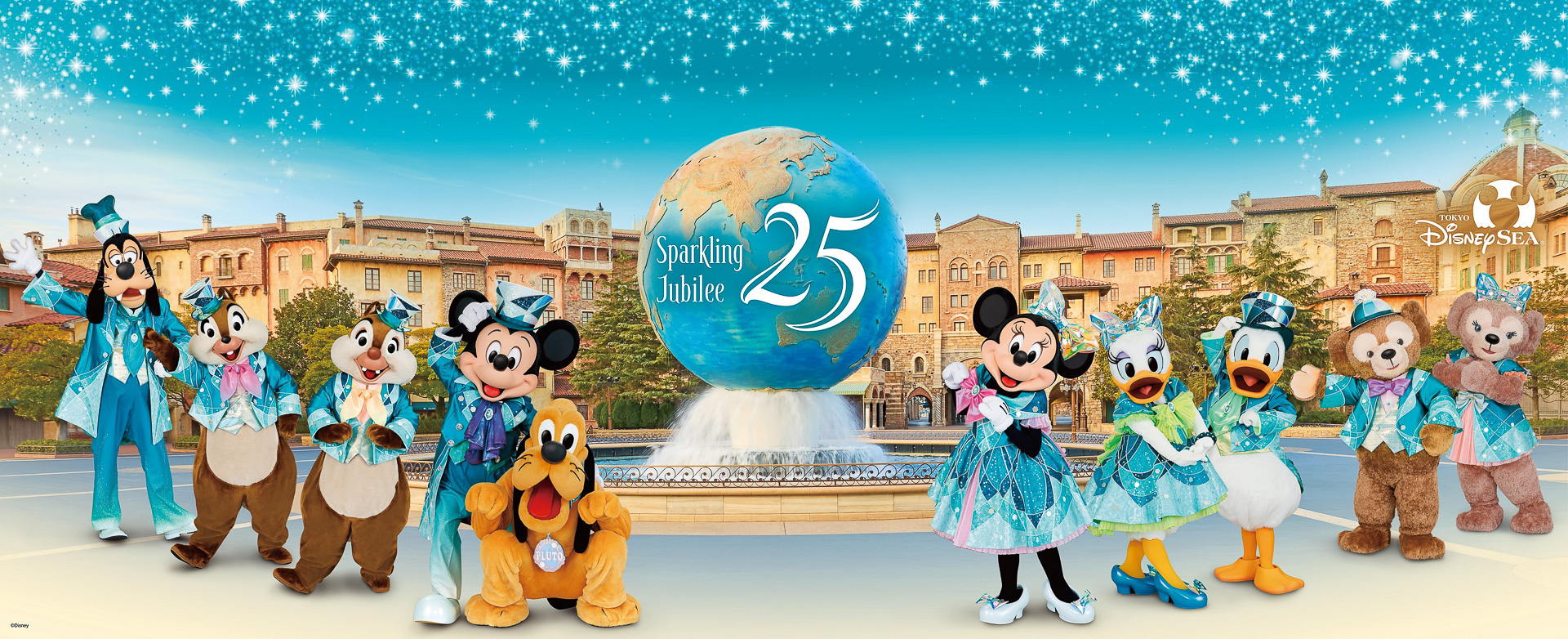
Did you know that Nagoya Station often becomes part of the show when a special train campaign launches? This time, the spotlight’s on a DisneySea anniversary photo displayed at the station, tied to the Sparkling Dreams Shinkansen and its launch on 19 June. It’s not a giant parade or a full event hall takeover, but that’s exactly why it works. The message lands quickly, and commuters notice it between their usual rush-hour steps.
For Japan fans, this is the fun part of rail culture. Stations in Japan aren’t just places to board a train, they’re also mini stages for campaigns, character art, and seasonal advertising. No wonder, because major stations like Nagoya see huge foot traffic every day, so a single display can reach thousands of people before lunch. Hand on heart, I love this kind of low-key promotion more than a loud commercial. It feels very Japanese, very efficient, and a bit playful too.
What most people don't know is that Nagoya Station is one of the busiest transport hubs in the country, with JR Central, Meitetsu, and Kintetsu connections all feeding into the same urban flow. That makes it a perfect place for a teaser campaign. If you’re learning Japanese, this is also a good reminder that words like 駅 (eki, station) (station), 電車 (densha, train) (train), and 企画 (kikaku, campaign / project) (campaign or project) are worth remembering, because you’ll see them everywhere in real life. My tip: learn them in context, not from a list, and station posters will start making much more sense. Sounds good, right?
Sparkling Dreams Shinkansen and the June 19 start date
Picture this: you’re at Nagoya Station, and instead of an ordinary timetable notice, you spot DisneySea artwork connected to the Sparkling Dreams Shinkansen. The real hook is the start date, 19 June, which gives the whole campaign a concrete timeline rather than a vague “coming soon” feel. That matters, because Japan’s limited-time train projects are often all about timing, whether it’s a seasonal wrap, a collaboration run, or a short promotional window.
The reason is simple: fans plan around these dates. Some people want a photo at the station, others want a ride on the train, and a fair number want both. The Sparkling Dreams Shinkansen name itself sounds like something built for special occasions, and that’s part of the appeal. While we're at it, Japanese special trains often get names that feel a bit dreamy or symbolic, which fits the country’s taste for themed travel. Think of it as the rail equivalent of a limited-edition dessert at a department store basement food hall.




Compared to back home, where train ads can feel generic, Japanese rail promotions usually tell a tiny story. Here, the story is clear: DisneySea’s anniversary atmosphere meets a celebratory Shinkansen launch. For example, one poster at a busy station can create anticipation long before passengers ever board. If you are studying Japanese, try spotting the loanwords too, like カスタム (kasutamu, custom / custom-made design) for custom or special design, and ライブ (raibu, live show / live event) for event-like energy in pop culture contexts. Sounds weird, but it's true. The language of promotion here is half visual, half emotional.
Why this matters for Disney fans, train fans, and learners
It's early morning in Kyoto. You check your phone, see the campaign news, and suddenly your day has a better train-related direction. That’s the effect these Japan collaborations can have, especially when DisneySea is involved. Even without a huge event announcement, the Nagoya Station photo and the confirmed 19 June start give fans something solid to plan around.
What I especially like is that this sort of campaign rewards people who pay attention to details. A station display might show a character pose, a logo treatment, or a colour scheme that matches the train wrap. For Japan enthusiasts, that means one quick glance can turn into a small treasure hunt. Search the station, spot the photo, read the text, and compare it with other official visuals. Highly recommended: if you enjoy collecting travel memories, take one photo of the station display and one of the train if you manage to catch it. You’ll have a tidy before-and-after set in your camera roll.
For Japanese learners, this is a nice real-world listening-and-reading moment even if nothing is spoken. Station campaigns often use short, clean Japanese, and that makes them easier to decode than long articles. Look for names, dates, and action words. 記念 (Kinen, commemorative) means commemorative, 初 (hatsu, first run / debut) points to a first run or debut, and 沿線 (ensen, area along a railway line) refers to the area along a railway line. You won’t need all of them at once, but they do come up around train news. My verdict: this is exactly the kind of small, concrete Japan update that makes planning trips and learning language feel connected.
Frequently Asked Questions
Where is the campaign teaser shown?
It is being shown at Nagoya Station.
When does the special train start?
The Sparkling Dreams Shinkansen starts on 19 June.
Why are these station promotions popular in Japan?
They reach many people quickly and make travel feel special.
For more updates like this, visit more Japan news on jpnerd.com.