Overview
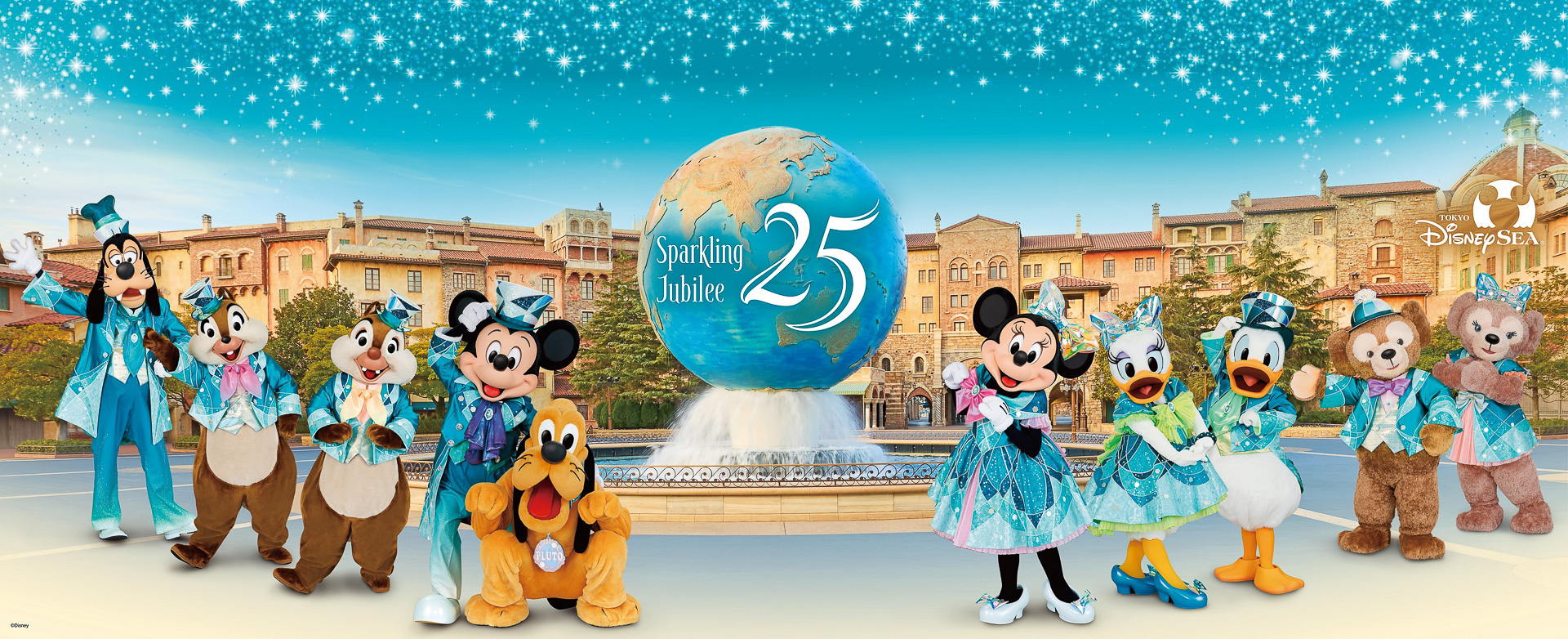
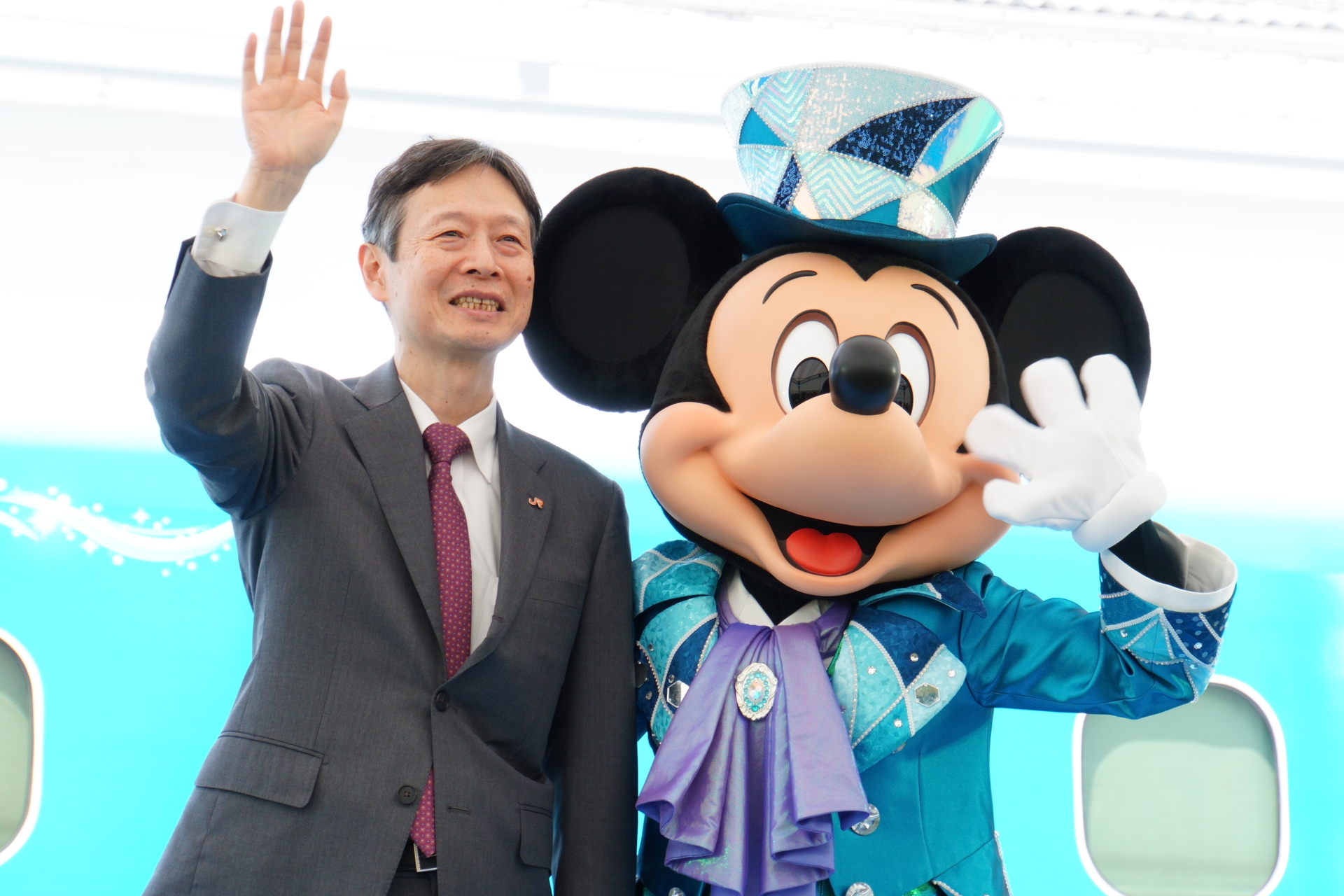
JR Tokai launched the Disney-themed special 新幹線 (shinkansen, bullet train; high-speed rail) called JR Central's Sparkling Dreams Shinkansen Train in connection with Tokyo DisneySea's 25th anniversary. The campaign start date was 19 June 2026, and the train runs on the Tokaido Shinkansen line. That already tells you a lot. This is not a standalone novelty wrapped around a timetable. It is a themed transport campaign aimed at the flow of visitors traveling toward the Tokyo Bay area, including Tokyo Disneyland and Tokyo DisneySea.
The design is described as festive and shimmering, which fits the name well. And that is what makes it so effective. It does not try to reinvent the bullet train; it adds a layer of atmosphere to something already familiar. If you want to find out more about the DisneySea anniversary photo that appeared at Nagoya Station, that pre-launch display gives a useful glimpse of how the campaign was teased before the train began service.
How the campaign is framed
JR Tokai is the operator behind the project, and that matters because the company has long treated the Tokaido Shinkansen as more than a fast intercity link. In this case, the Sparkling Dreams livery sits at the intersection of transport promotion, seasonal branding, and destination marketing. The result is a special train that speaks to travelers headed for the resort area, but also to anyone who enjoys the visual language of Japanese rail campaigns.
If you are new to this kind of project, a few Japanese terms help place it. A 予約 (yoyaku, reservation; booking) is a reservation, which is useful because special train experiences often encourage advance planning. The word livery refers to the external design or paint scheme, and here it matters because the shimmer is part of the appeal. 旅行 (ryoko, travel; trip), meaning travel, is the broader setting. Shinkansen means bullet train, of course, and that shared familiarity is part of why a themed version gets attention so quickly. Finally, 漢字 (kanji, Chinese characters used in Japanese writing) are the characters you would often see in railway information and campaign materials, so it makes sense that people search for JR Central's Sparkling Dreams Shinkansen Train kanji when they want to identify the name exactly.
What makes the design stand out
The Sparkling Dreams design is festive and shimmering rather than loud. That balance feels very Japanese to me. It is decorative, but it still respects the formal elegance of the Shinkansen itself. The point is not to overwhelm the base train with graphics. The point is to make the experience feel celebratory from the moment the train comes into view.
That matters because rail in Japan often works on two levels at once. It is practical, and it is symbolic. A special design can turn an ordinary transfer into a small event, even if you are just passing through a major station. If you've been following coverage of the Sparkling Dreams design, you already know how much attention the look itself has drawn. The visual identity is doing real work here. It tells travelers that this is not generic service. It is part of a seasonal story.
Why it matters for rail fans and Disney visitors
There are two audiences here, and they overlap more than you might expect. Rail fans care because the Tokaido Shinkansen is one of Japan's most famous lines, and any special livery on it becomes part of the wider railway record. Disney visitors care because the train reinforces the journey to the resort area as part of the visit itself. The ride becomes an introduction, not just transportation.
That dual appeal is why the train has drawn discussion in news coverage. It is a piece of おもなし (omonashi, thoughtful hospitality; considerate service), the thoughtful hospitality Japanese service culture is known for, but translated into a railway campaign. It is also a reminder that branded transport in Japan often appears for a limited campaign window, so people naturally watch for the 日程 (nittei, schedule; itinerary), or schedule, and for any changes in service details. In everyday conversation, some fans will even talk about the 電車 (densha, train; electric railcar), meaning train, with the same kind of affection usually reserved for events or exhibits.
- For rail enthusiasts: it adds a notable themed Shinkansen to the Tokaido line story.
- For Disney fans: it extends the Tokyo DisneySea anniversary mood beyond the park gates.
- For casual travelers: it makes a familiar route feel a little more special.
Related trains and useful context
This is not the first time Japan has used special train branding to create a sense of occasion. The country regularly experiments with campaign liveries, anniversary wraps, and themed service concepts. What makes this case interesting is the combination of a national flagship rail line and a globally recognizable entertainment brand. That combination naturally invites comparisons with other themed Shinkansen campaigns, including the Disney special train on the Tokaido Shinkansen line.
If you are following JR Central's Sparkling Dreams Shinkansen Train news, the best approach is simple. Check official JR Tokai announcements, look at station displays when you pass through major hubs, and pay attention to campaign timing around the 19 June start date. For anyone searching for a JR Central's Sparkling Dreams Shinkansen Train release date or even a possible JR Central's Sparkling Dreams Shinkansen Train leak, it is worth separating confirmed information from speculation. At this stage, the confirmed facts are the launch, the line, the operator, the DisneySea anniversary tie-in, and the themed design.
How to follow it or learn more
The easiest way to learn more is to treat it like a small case study in Japanese rail culture. Follow the announcement trail, compare station materials with the train design, and watch how the campaign connects to Tokyo Bay visitor traffic. If you want to understand the broader pattern, look at how special trains are used to support events, anniversaries, and destination branding across Japan. That is where the real interest lies.
And if you are studying the terminology around it, JR Central's Sparkling Dreams Shinkansen Train japanisch lernen searches can actually be useful. They lead you toward the vocabulary that comes up again and again in railway coverage: shinkansen, yoyaku, kanji, livery, and the route-specific language around service and stations. It is practical vocabulary. And it sticks because it is tied to something visual.
This is your chance to discover how a themed bullet train can become part of a larger anniversary story. I think that is the charm here. The train is useful, festive, and just a little bit theatrical, which is exactly the kind of cultural detail that makes Japan so rewarding to follow. There is always something more to explore.
Frequently Asked Questions
What is JR Central's Sparkling Dreams Shinkansen Train?
It is a Disney-themed special Shinkansen launched by JR Tokai for Tokyo DisneySea's 25th anniversary. The design is described as festive and shimmering.
When did the Sparkling Dreams Shinkansen campaign start?
The campaign start date was 19 June 2026.
Which line does the train run on?
It runs on the Tokaido Shinkansen line.
Is there confirmed information about a release date and a leak?
Yes, the confirmed start date is 19 June 2026. Any talk of a leak should be treated carefully unless it matches official JR Tokai information.
Why are people interested in this train?
It connects rail travel with the Tokyo DisneySea anniversary and the broader visitor flow toward the Tokyo Bay area, which makes it relevant to both Disney fans and rail fans.