
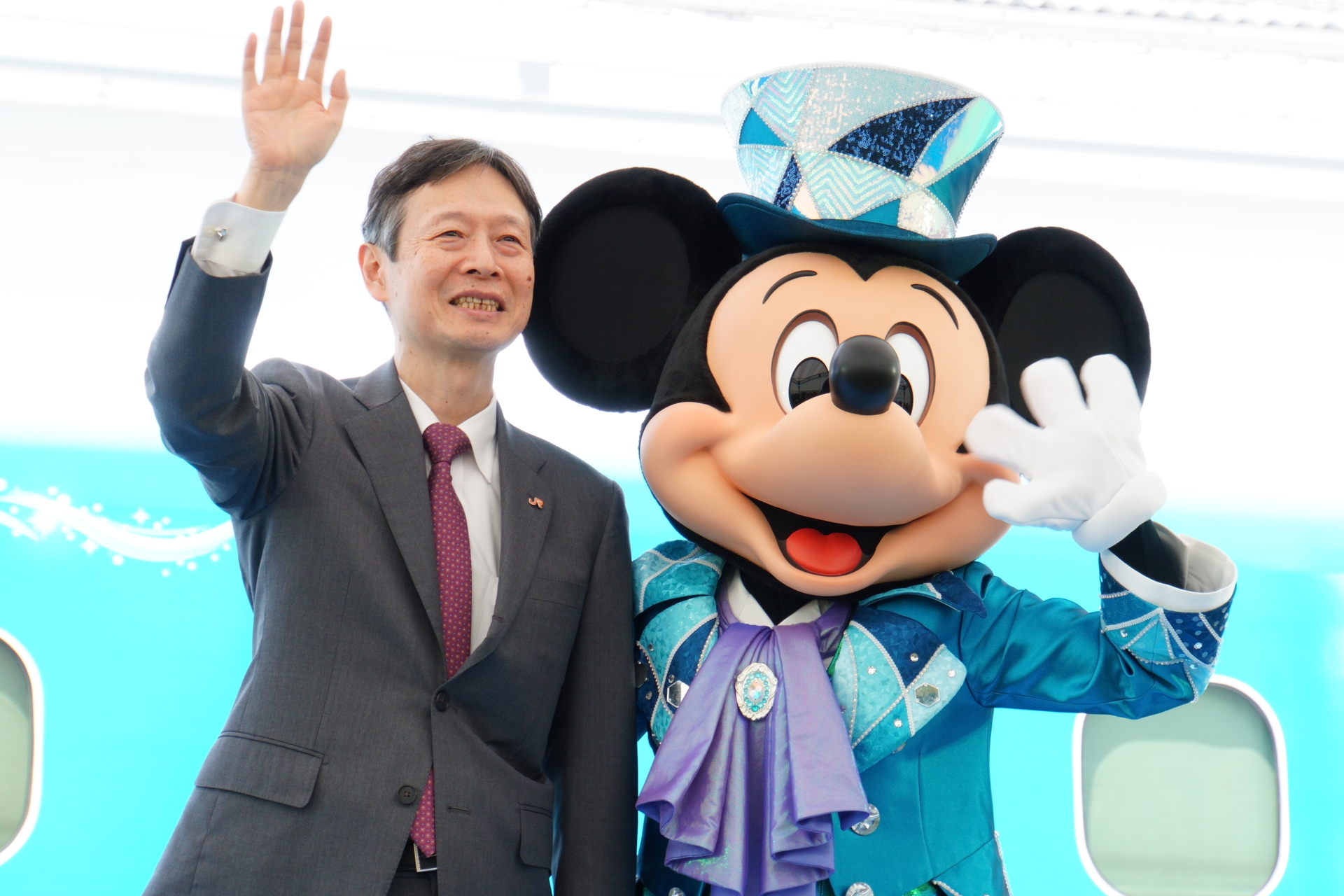
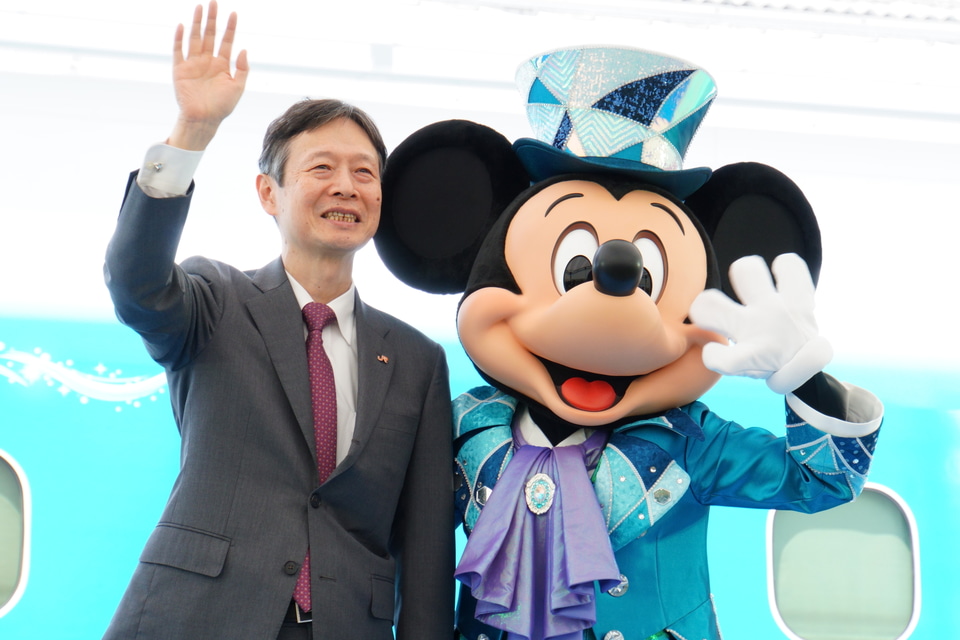
It's early morning in Kyoto, and a 新幹線 (Shinkansen, bullet train; high-speed rail) platform already feels like a small event. Now imagine that same sleek white bullet train wrapped in DisneySea anniversary visuals, running on the 東海道新幹線 (Tokaido Shinkansen, Tokaido high-speed rail line) line, and tied to a proper launch date: 19 June. That's exactly what JR Tokai and Tokyo DisneySea are doing with the Sparkling Dreams Shinkansen, a collaboration built around DisneySea's 25th anniversary. Sounds odd, but it's true.



Here's the thing: this isn't just a random ad train. JR Tokai, the company behind the Tokaido Shinkansen between Tokyo and Osaka, is putting its most famous rail brand into a tie-up with one of Japan's most beloved theme parks. That gives the project a nice balance, rail culture on one side, Disney storytelling on the other. For Japan fans, that mix is half the fun, because it turns an ordinary ride into something you'd actually plan around. And there's more.
What the Sparkling Dreams Shinkansen actually is
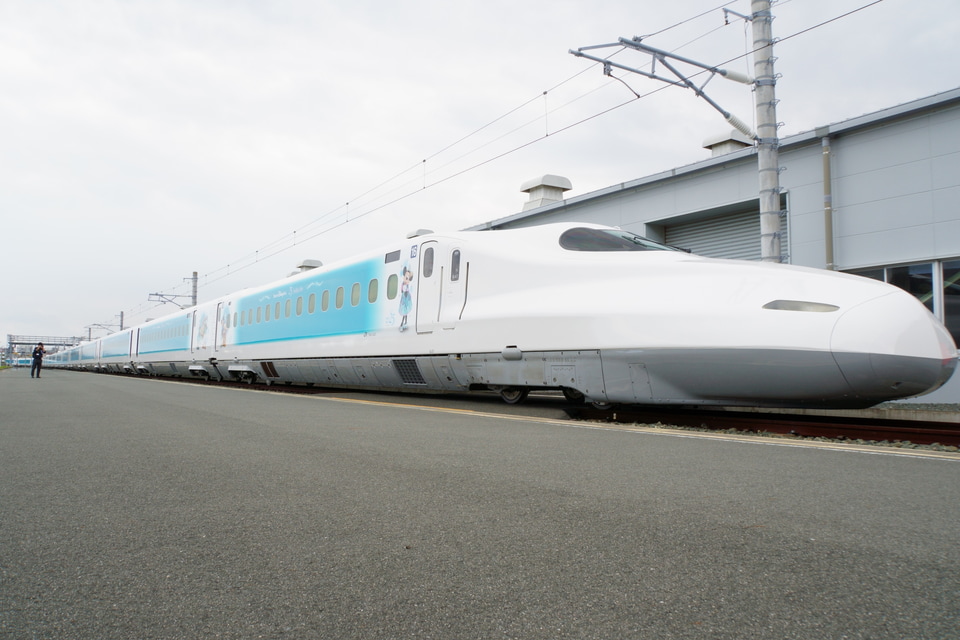
The Sparkling Dreams Shinkansen is a special-livery train running on the Tokaido Shinkansen, the high-speed line that has linked Tokyo, Nagoya, Kyoto and Shin-Osaka since 1964. This line is the original shinkansen, so any branding here gets noticed fast. JR Tokai knows that, and DisneySea knows it too.
The train is connected to Tokyo DisneySea's 25th anniversary, which gives the campaign a clear reason to exist. The park opened in 2001, and 25th anniversary projects often become seasonal or year-long moments in Japan, from merchandise to stage shows to transport tie-ins. That brings us to the train itself, which is being called Sparkling Dreams, a name that fits Disney's sparkling, celebratory style without losing the polished feel of the shinkansen. Not bad, right?
Why this collaboration matters
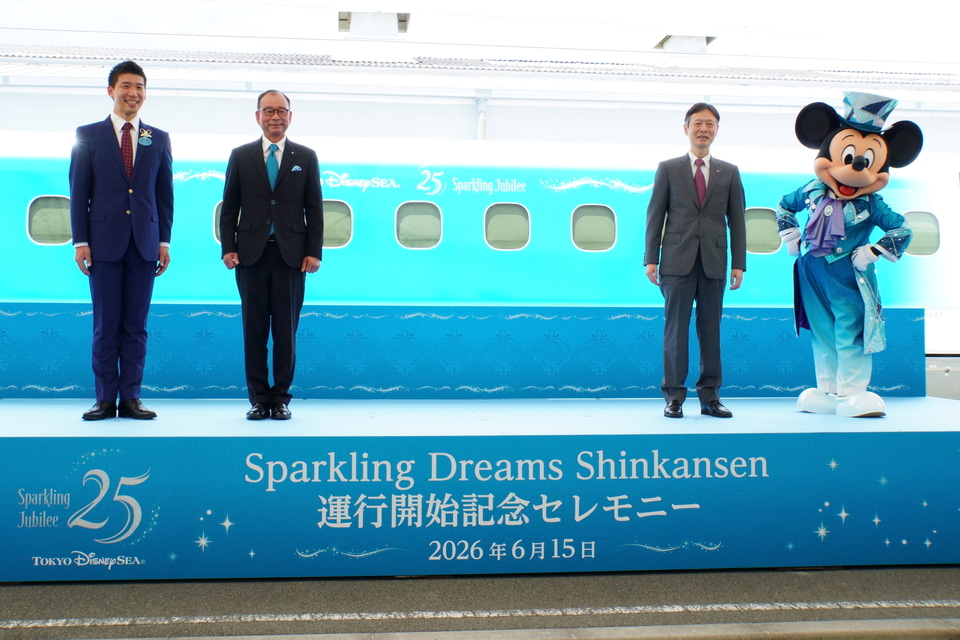
Unlike what we're used to with simple ads on trains, this one feels more like a brand event than a billboard. The shinkansen isn't just a vehicle, it's part of the message. When JR Tokai lends its biggest stage to DisneySea, it shows how serious Japan is about limited-time partnerships, especially when the timing matches a milestone year.
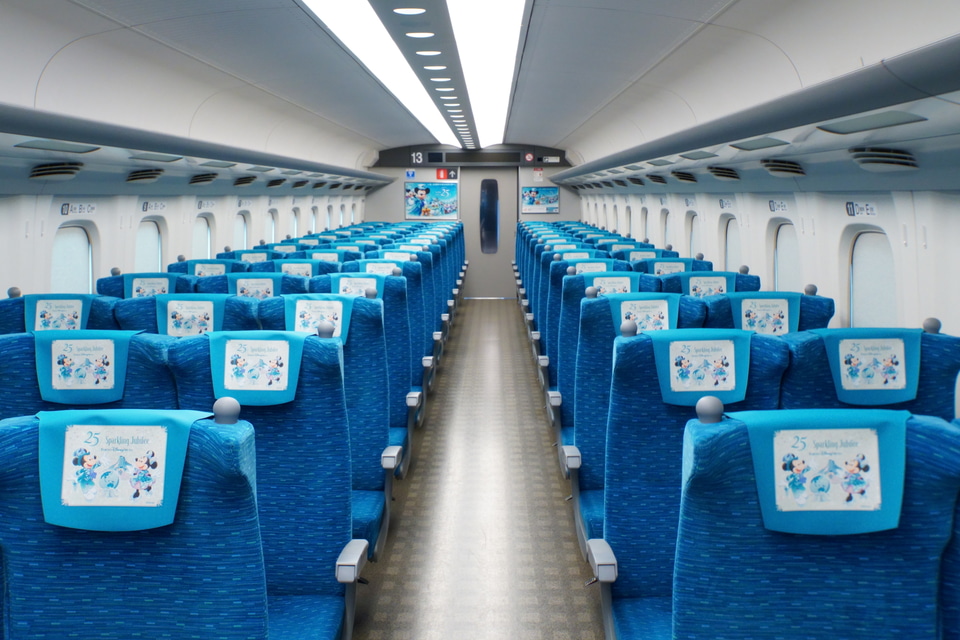
For visitors, the appeal is obvious. You get a reason to ride the Tokaido Shinkansen, a reason to visit DisneySea, and a reason to pay attention to the details, from artwork to interior touches if they appear on the service you board. The best part: even people who don't usually chase special trains may still want a photo, a ticket stub, or just a memory of having seen it in person. See what I mean?
DisneySea 25th anniversary and Japanese rail culture
Tokyo DisneySea has always had a special place in Japan's theme park scene. It opened as part of the Tokyo Disney Resort in Urayasu, Chiba, and it's long been treated as the more grown-up, atmospheric sibling of Tokyo Disneyland. That anniversary matters, because Japanese companies love to mark round numbers with carefully timed campaigns, and 25 years is a big one.
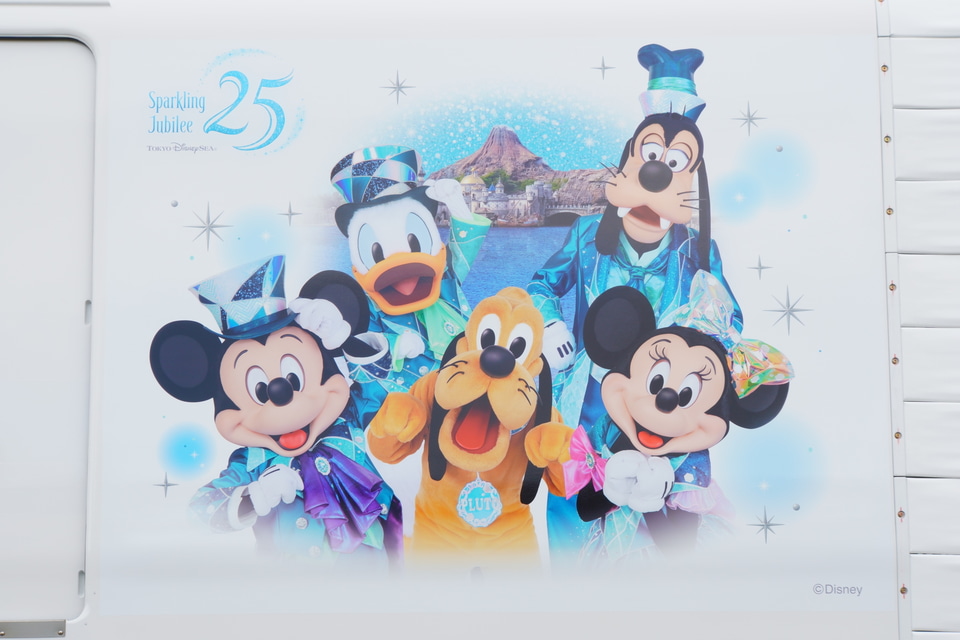



What I especially like is how this tie-up sits inside a wider Japanese travel habit: the trip itself becomes part of the experience. You don't just go to DisneySea, you board a themed shinkansen, you notice the design, you maybe buy a souvenir, and the whole day already feels planned. If you're learning Japanese, this is a good moment to notice words like 記念 (kinen, commemoration; anniversary), meaning commemorative, and 企画 (kikaku, project; plan), meaning project or plan. They show up constantly in Japanese event news. My tip: keep an eye out for those words when you read travel announcements. That reminds me: Japan's transport and entertainment worlds cross over a lot more than people expect.
No joke: these collaborations can drive serious attention because they feel collectible. A normal shinkansen trip is practical, fast and efficient. A special train with a DisneySea anniversary theme becomes a story people want to share, and in Japan that matters almost as much as the transport itself. And there's more.
Why the 19 June start date is the key detail
The start date makes this announcement much more concrete. The Sparkling Dreams Shinkansen begins service on 19 June, so this isn't just concept art or a press release full of good intentions. If you're planning a summer trip, that date gives you a clear target for both rail fans and Disney fans.
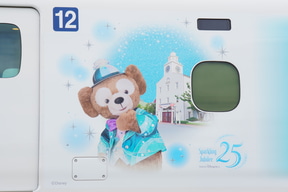
That timing also fits the rhythm of Japanese seasonal campaigns. June is the rainy season in many parts of Japan, but it's also a month when theme parks and rail companies keep pushing limited-time content before the full summer rush. JR Tokai and DisneySea are smart to launch then, because the project can build momentum across school holidays, tourism peaks and anniversary shopping. The result is a campaign that feels timely, not lazy. Sounds good, right?
How Japanese learners can use this news
If you're studying Japanese, this is the kind of headline worth translating on your own. Try breaking it into parts: Tokaido Shinkansen, DisneySea 25th anniversary, and Sparkling Dreams Shinkansen. You can also practise event vocabulary such as kinen, kaisai, and 運転する (untensuru, to operate; to run), which means to operate or run, as in a service starting on a certain date.
And if you ever read the original Japanese article, look for date expressions like 六日 (rokunichi, the 6th day; sixth day) or juni-juukyuunichi style formatting depending on publication style. That small habit helps a lot, especially with travel news. It's one of those little learning wins that sticks. See what I mean?
In pictures
Frequently Asked Questions
When does the Disney special train start running?
It starts on 19 June.
What line is the train on?
It runs on the Tokaido Shinkansen.
What is the train linked to?
It is tied to Tokyo DisneySea's 25th anniversary.
Oh, almost forgot: if you enjoy this kind of Japan travel and culture update, you can find more Japan news on jpnerd.com.


