That makes this a lovely trip for Japan fans and language learners alike, because you can connect the place, the philosophy, and a few useful Japanese words in one go. It’s the kind of outing that rewards patience, a little walking, and a curious eye for the smaller signs people often miss.
D. T. Suzuki and Kanazawa’s quieter side
Did you know that D. T. Suzuki was born in Honda-machi, Kanazawa, in Ishikawa Prefecture? That single detail already gives the city a different texture. Suzuki, born Teitaro Suzuki, later became known worldwide for writing and teaching about 禅 (Zen, Zen; Buddhist meditation school) Buddhism, but his story begins in a place that still feels calm enough to understand the appeal of stillness. Kanazawa is a good match for that mood, with its old districts, traditional crafts, and slower tempo compared with Japan’s bigger city centres.
Here’s the deal: if you’re interested in Zen, Kanazawa isn’t just a dot on a map. It becomes a starting point, a way to see how a thinker shaped by Japan could later shape how the world understood 座禅 (zazen, seated meditation), 感謝 (kansha, gratitude; appreciation), and the discipline of sitting quietly with yourself. No exaggeration, that kind of connection makes a walk through the city feel richer, even when you’re just looking at a street sign or a museum plaque.
For Japanese learners, this is also a nice chance to tie vocabulary to place. Zen, zazen, and even terms like 提案 (teian, proposal; suggestion), meaning proposal or concept, show up often in cultural writing, and Kanazawa gives them context instead of leaving them as abstract study words. Sounds simple, but that little bit of context really helps words stick.
Why Kanazawa fits D. T. Suzuki so well
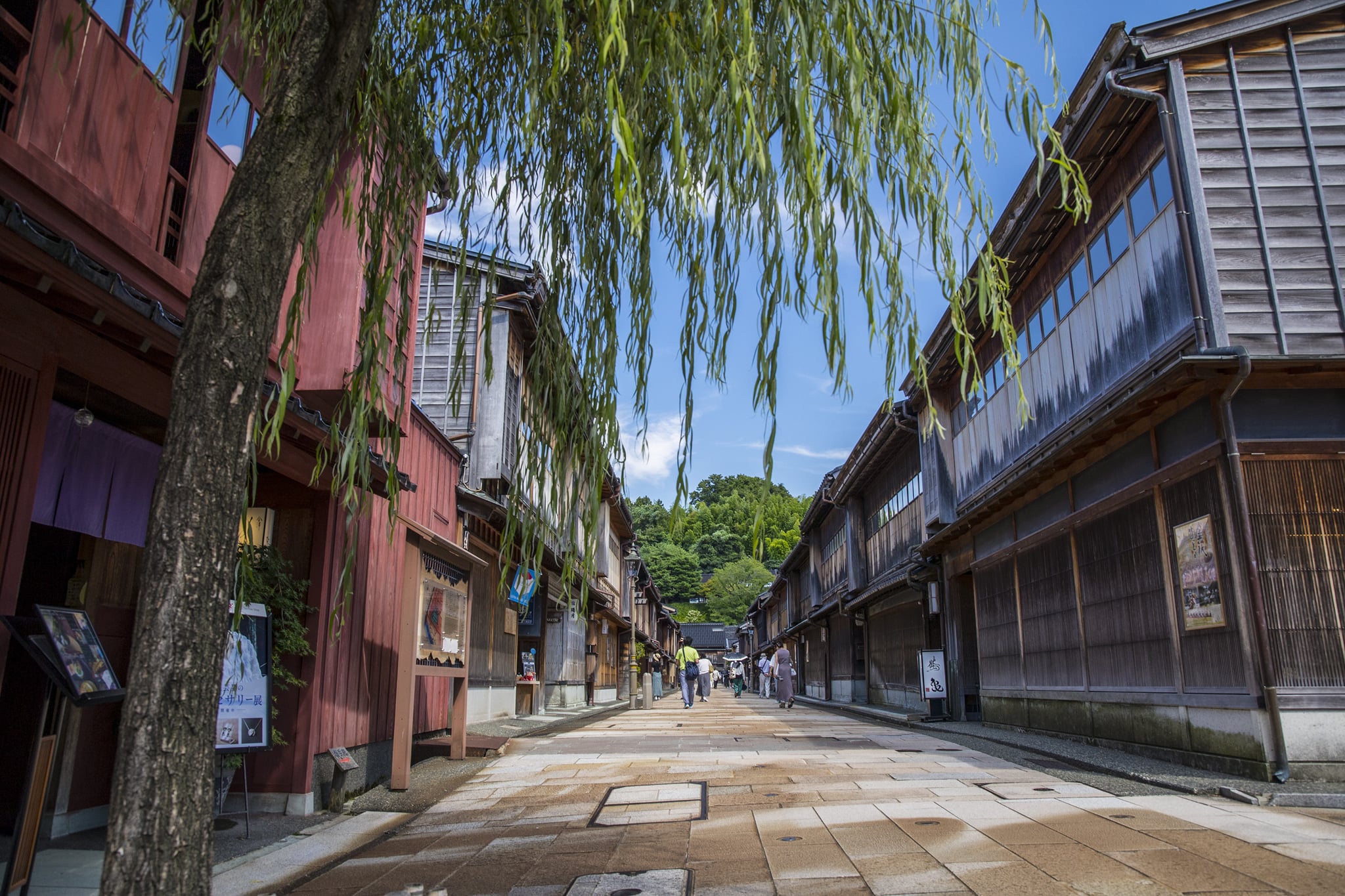
Quick detour: Kanazawa has long been known for refinement rather than showiness. It was a castle town, home to artisans, scholars, and merchant culture, and that old structure still lingers in districts where narrow lanes and wooden facades survive beside modern buildings. Zen thinking often values the same kind of restraint, the same willingness to notice space as much as form.
While we’re at it, that makes the city feel like a gentle companion to Suzuki’s legacy rather than a loud monument to it. You’re not pushed towards one giant symbol. Instead, you get layers: a birthplace, a museum presence, local history, and the broader atmosphere of a city that understands quiet beauty. My tip: if you go, don’t rush straight from point to point. Give yourself time to wander a little, because Kanazawa tends to reveal itself in fragments.
What’s more, that slower style is useful for language learners. Japan travel often teaches you that words like 静か (shizuka, quiet; calm), ゆっくり (yukkuri, slowly; leisurely), and seijitsu aren’t just dictionary entries, they’re lived qualities. When you’re standing in a calm corner of the city, reading a small exhibit note or a street name, those words start feeling less like homework and more like atmosphere. Wild, isn’t it?
Finding D. T. Suzuki traces in the city
Take Kanazawa, for instance. The obvious places to look are museums, memorials, and local historical markers connected with Suzuki’s life, but the less obvious pleasure is simply moving through the city with that history in mind. Honda-machi itself matters because it roots a global intellectual figure in an ordinary urban neighbourhood, not some remote mountaintop temple. That contrast is part of the charm.


Picture this: you move from a busy shopping street into a quieter block, and suddenly the pace drops. That shift isn’t Zen in a dramatic, cinematic sense. It’s subtler than that, more like breathing out. If you know a bit of Japanese, you might notice how often cultural sites in Japan use modest language, with words like kinenkan for memorial hall or shiryo for historical materials, and that plainness suits the subject beautifully.
No exaggeration, this is where travel and study meet in a very satisfying way. You’re not only learning who Suzuki was, you’re learning how Japan frames memory, and how a city can preserve an intellectual legacy without turning it into a theme park. That balance is pretty special. But that’s not all.
What to look for if you go in search of Zen
Here’s the kicker: you don’t need to be a philosophy nerd to enjoy this route. If you like hidden spots, lesser-known history, and places that ask for a slower pace, Kanazawa gives you plenty to work with. A good visit might include a museum stop, a walk through an older district, and a bit of reading about Suzuki before or after, so the names and places line up in your head.
What I especially like is that this kind of travel has a built-in language bonus. When you see Zen used in English, then compare it with how Japanese cultural writing handles it, you start to sense the shape of the original ideas a little more clearly. Even a simple term like zazen carries more weight once you connect it to place, practice, and history. My verdict: that’s exactly the kind of Japan travel that stays with you after the trip.
And if you’re building your own Japan list, Kanazawa is a fine reminder that some of the most rewarding stops are the ones that don’t shout. They wait. They let you catch up. Then, once you do, they open a door into the country’s intellectual and spiritual history in a very human way. You’ll eventually find your own place in Japan.
Frequently Asked Questions
Who was D. T. Suzuki?
He was a Japanese writer and thinker best known for presenting Zen Buddhism to international readers.
Why is Kanazawa connected to him?
Kanazawa is his birthplace, so the city is an important starting point for tracing his life and legacy.
Can language learners get something out of this topic?
Yes, because it connects place names, cultural vocabulary, and real historical context in a way that helps words stick.