
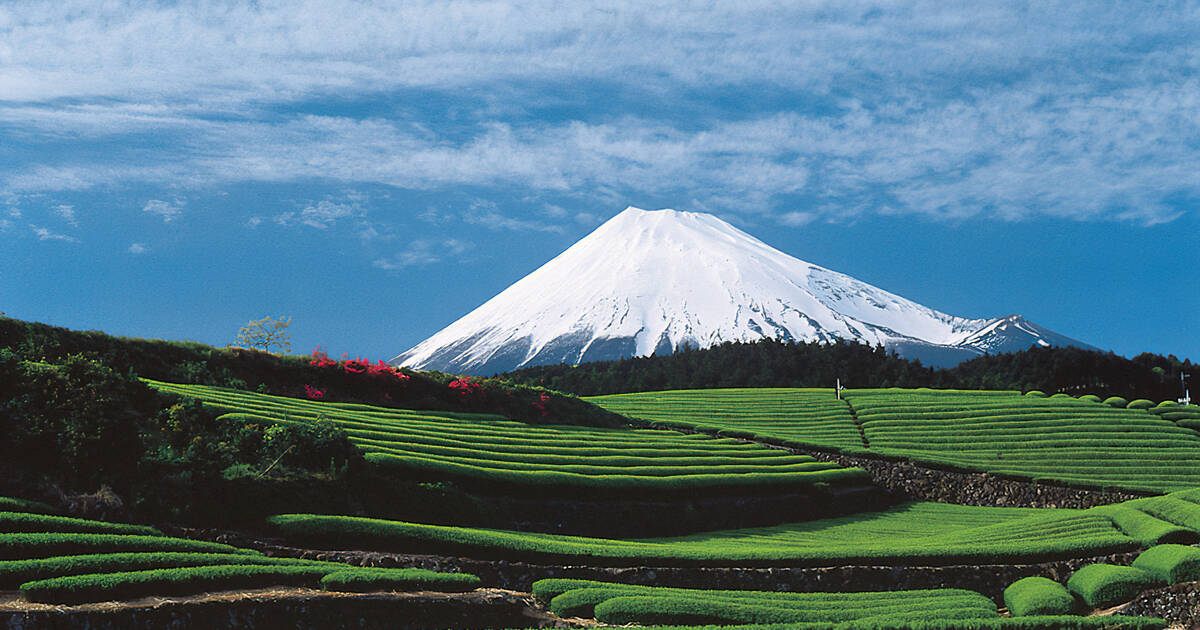
What’s changing now is the audience. Japan isn’t just a place for honeymoons and bucket-list trips any more, it’s becoming a place where people actually say their vows, often with Fuji in the background.
Japan as a wedding destination has moved from niche dream to practical option, and that shift says a lot about how travel tastes are changing. Couples don’t just want a pretty venue any more, they want a story, a setting, and photos that look unforgettable without needing heavy editing. Mount Fuji still grabs the headlines, of course, but the real trend is bigger than one mountain. Foreign couples are now part of the plan, and Japanese wedding services are learning how to speak to them directly. Classic Japan, isn't it?

Why Japan is becoming a wedding destination
Know that feeling when a place looks so good you can already picture the photos? That’s part of Japan’s pull. The country offers a rare mix of nature, order, and ceremony, and that combination works beautifully for weddings. A couple can have a coastal ceremony in Okinawa, a garden-style photo shoot in Kyoto, or a modern city wedding in Tokyo, then finish the day with a dinner that feels carefully choreographed rather than rushed.
Here’s the thing: Japan also understands presentation. Hotels, ryokan, and wedding studios tend to be detail-obsessed, from 着物 (kimono, kimono; traditional Japanese robe) fittings to hairstyling to the timing of the light. For couples flying in from overseas, that level of polish matters. Compared with back home, where wedding packages can feel mass-produced, Japan often feels calmer, cleaner, and more intimate. And that’s before you even get to the language-learning bonus, because wedding-related words like 結婚 (kekkon, marriage / wedding), 写真 (shashin, photo / photograph), and kimono are easy to remember and useful for any trip where love and travel overlap. But that's not all.
What foreign couples are actually looking for
What most people don't know is that many foreign couples aren’t planning a huge traditional Japanese ceremony. They want a destination wedding or a symbolic ceremony with a beautiful backdrop, then a short stay that doubles as a holiday. That means privacy, scenery, and easy logistics matter just as much as cultural flair. Let’s be honest: not everyone wants a full ballroom setup.
Take Fuji, for instance. The mountain is instantly recognisable, and it gives a wedding album a sense of place that you can’t fake. A ceremony near Kawaguchiko, for example, can deliver that famous view when the weather cooperates, while the surrounding lakes and flower fields add seasonal colour. Spring brings cherry blossoms, autumn brings bright leaves, and winter often means clearer skies. Seriously though, if you’re choosing a season, think about visibility as much as temperature. But that's not all.
Mount Fuji as the iconic wedding backdrop
Mount Fuji isn’t just scenery, it’s shorthand for Japan itself. The mountain stands 3,776 metres high, straddles Yamanashi and Shizuoka prefectures, and has long appeared in art, postcards, and travel campaigns. It was inscribed as a UNESCO World Heritage Site in 2013, which only strengthened its status as the country’s most recognisable image. So when a couple says they want a Fuji wedding, they’re not just asking for a nice view. They want instant identity in the frame.
And it gets better: the surrounding area already has a strong wedding-friendly infrastructure. Resorts around Lake Kawaguchiko, Hakone, and the Fuji Five Lakes area offer chapels, photo studios, English support, and wedding menus aimed at international visitors. Some couples go for Western-style dresses and suits, others choose 白無垢 (shiro-muku, white bridal kimono) or 色打掛 (iro-uchikake, colored ceremonial bridal kimono), then mix the look with a modern ceremony. That blend is very Japan. My tip: if you want the mountain in the shot, ask locals about weather patterns and the best time of day. Fuji hides behind clouds more often than tourists expect, so planning matters. Not bad, right?
Why Fuji works so well for wedding photos
Fuji gives photographers depth, symmetry, and a sense of scale. A single frame can hold water, sky, greenery, and the mountain peak, all without feeling crowded. For couples who care about social media, that’s gold. For couples who care about memory, it’s even better, because the image stays clear years later. Speaking of which... some of the best shots don’t come from the ceremony itself, but from the quiet moments before or after, when the couple is relaxed and the light is soft.
What I especially like is that Fuji weddings don’t feel like they’re trying too hard. The mountain does the heavy lifting, but the best planners still add small touches, like seasonal flowers, 和菓子 (wagashi, Japanese sweets)-inspired desserts, or a short photo stop at a shrine. That keeps the day rooted in Japan rather than turning it into a generic destination package. Personally...
How Japan is adapting to foreign wedding guests
The smart part of this trend is how flexible the industry has become. Wedding studios in Tokyo, Kyoto, and the Fuji area increasingly offer English-speaking staff, online consultations, and all-in-one packages that cover makeup, attire, photography, and transport. Some also help with marriage paperwork for couples who want a legally recognised ceremony in Japan, though many visitors choose a symbolic event and handle the legal side at home. That split is practical, and it avoids headaches.
Compared with back home, the pace can feel refreshingly organised. Appointments are usually punctual, fittings are structured, and the day itself tends to run like clockwork. Foreign couples from the United States, Singapore, Australia, and Europe are especially visible in this market, because they often travel with higher expectations for service and a willingness to spend on memories that feel premium. Let’s be honest: if a place can deliver romance and reliability, it’s already halfway there.
What most people don't know is that Japan’s wedding appeal isn’t limited to luxury travellers. There are photo-only packages too, often called shashin kekkon or pre-wedding shoots, and those can be far more accessible than a full event. That opens the door for Japan fans who may not want a giant ceremony, but still want the experience of wearing formal attire in a place they love. On the flip side, it also means competition is rising, so the best spots get booked early. See what I mean?
For Japanese learners, this trend is a nice reminder that travel vocabulary has real-world value. Words like 記念写真 (kinen shashin) for commemorative photos, omiai for introductions, and 結婚式 (kekkon shiki) for wedding ceremony pop up in brochures, booking pages, and local explanations. If you’re learning Japanese, reading those terms in context makes them stick fast. And honestly, that’s one of the best parts of planning a trip around a special occasion. You’re not just visiting Japan, you’re using Japanese. That’s a win.
Frequently Asked Questions
Why is Japan becoming popular for foreign weddings?
Japan offers strong scenery, polished service, and a very photogenic setting, especially for couples who want a destination wedding with a clear sense of place.
Is Mount Fuji the only reason couples choose Japan?
No. Fuji is the headline attraction, but cities, gardens, shrines, hotels, and ryokan all play a part in the appeal.
Do foreign couples usually have legal weddings in Japan?
Not always. Many choose symbolic ceremonies in Japan and handle the legal paperwork in their home country.


