
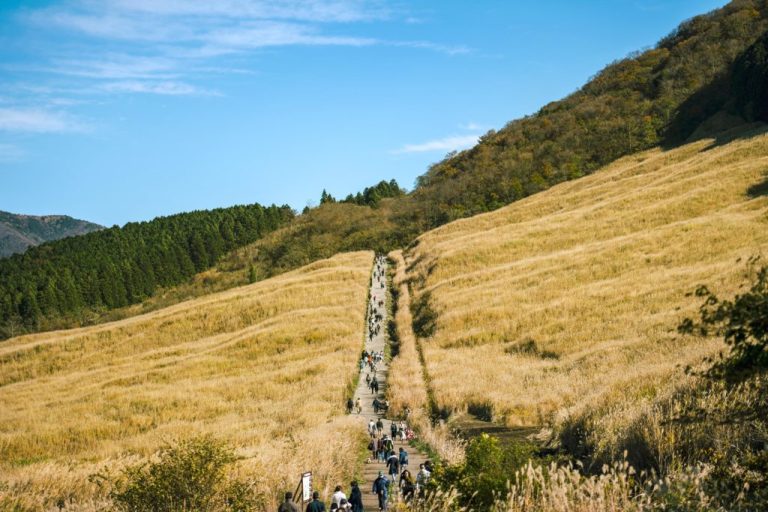
Picture this: you’re gliding above steaming valleys near Mt. Hakone, and the sound around you shifts as the landscape changes. That’s not just a gimmick; it’s a new way to experience one of the most popular day-trip spots from Tokyo.



Hakone Ropeway Adds Spatial Audio to a Classic Sightseeing Ride
Hakone Ropeway has long been one of the easiest ways to take in the volcanic scenery around Lake Ashi and Owakudani, and now it’s adding a modern layer to the trip. Odakyu Hakone Co has equipped one of the gondolas with a spatial audio system, turning a regular cable car ride into something closer to an immersive listening experience. If you’ve ever wished your train playlist matched the view outside the window, this is basically that, only better.
What most people don't know is that the Hakone area already has a strong relationship with sound and atmosphere. The region’s ryokan, open-air baths, and slow travel feel are part of the appeal, so a carefully designed audio experience fits surprisingly well. Instead of blasting music at every passenger, spatial audio can create the feeling that sounds come from different directions, which makes the ride feel more like a moving installation than simple transport. Wild, isn’t it? From my experience, that kind of detail is exactly what makes a Japan trip memorable. Convinced yet?
Why Odakyu Hakone Co Is Betting on Travel Tech
Odakyu Hakone Co is not just operating transport, it’s shaping the whole Hakone sightseeing package. The company already manages services tied to the wider Odakyu network, and Hakone Ropeway is one of the signature parts of that ecosystem. By adding spatial audio, the company is clearly trying to give visitors something they can’t get from a standard cable car anywhere else.
Take Hakone, for instance. It sits in Kanagawa Prefecture, about 1.5 to 2 hours from central Tokyo depending on how you travel, and it draws day-trippers, overnight guests, and international visitors in huge numbers. A tech-forward cabin is a smart move in a place where competition is intense, because travellers can choose from onsens, museums, ropeways, cruise boats, and mountain walks all in one area. That reminds me: Hakone works best when every part of the journey feels connected, and sound is a clever way to tie the ride together. Simply brilliant.
How spatial audio changes the atmosphere
Unlike what we're used to in ordinary public transport, spatial audio does more than play songs. It can place instruments, effects, and voices at different points around the listener, which creates depth and movement. On a ropeway, that means the sound can shift as the gondola moves, matching the changing scenery outside the glass.
Imagine a track that feels calm as you leave the station, then opens up when the view widens over the mountains. That kind of design can make the ride feel timed to the landscape. If the programme is tuned well, even a short ropeway trip can become something you want to remember, and maybe replay mentally long after you’ve left Hakone. My tip: for Japan fans, it’s worth paying attention to how audio is being used in sightseeing, because this is one of those small ideas that could spread to other destinations. From my experience...



A Hakone Onsen Trip Gets a Music Upgrade
Guess what? This kind of feature works especially well in an onsen region like Hakone. Many visitors come for the hot springs first, then build the rest of the day around relaxing meals, scenic transport, and a slower pace. A spatial audio gondola slots neatly into that rhythm, because it adds mood without demanding extra effort from the traveller.
The best part is that Hakone already has strong sensory appeal. You’ve got sulphuric steam at Owakudani, lake views near Moto-Hakone, mountain air, and the quiet comfort of a ryokan stay. Adding sound design to the ropeway means the trip doesn’t only rely on what you see. It gives the journey a soundtrack, and that can make the whole area feel more curated, almost like a moving art piece. For Japanese learners, this is a nice chance to pick up travel vocabulary too, like ropeway, onsen, ryokan, and 風 (kaze) for wind, even if you’re only using the romaji. Oh, almost forgot: Hakone is also a good place to hear how travel experiences in Japan often mix utility and atmosphere.
Why this matters for visitors from Japan and abroad
Japanese domestic travellers are often sensitive to おもてなし (omotenashi), the idea of thoughtful hospitality, and this gondola concept fits right in. It’s not just about selling a ride, it’s about designing a moment. Visitors from abroad may not know the area’s full history yet, but they’ll instantly understand the appeal when scenery and sound line up so neatly.
That’s why a feature like this has real potential. It gives Hakone another talking point, and it also shows how Japan’s tourism sector keeps experimenting with presentation. If you’re planning a visit, think of the ropeway not just as transportation, but as part of the destination itself. Convinced yet? From my experience, the best Japan memories usually come from these in-between moments, not just the headline attractions.
Insider tip: if you love both travel and Japanese learning, keep an eye on how place names and travel terms show up in articles like this. They’re easy to remember when they’re tied to real experiences. And if Hakone Ropeway is already on your list, this new gondola gives you one more reason to go sooner rather than later.
Frequently Asked Questions
What is special about the new Hakone Ropeway gondola?
It features a spatial audio system that creates a more immersive sound experience during the ride.
Who is behind the upgrade?
Odakyu Hakone Co is introducing the new gondola experience.
Why is this a good fit for Hakone?
Hakone is a major onsen and sightseeing area, so combining scenery, music, and travel tech makes the ride more memorable.


