

What many overlook is that the name Norokko comes from のろのろ (noronoro, slowly; sluggishly) 走る (hashiru, to run) トロッコ (torokko, trolley cart; mine cart) 列車 (ressha, train), meaning a slow trolley-style train, so the whole point isn’t speed but scenery. If you’re planning a trip in eastern Hokkaido, this is one of those trains where the ride itself is the attraction, not just transport between stations.



JR-Norokko Kawayu Onsen Go on the Kawayu Onsen to Kushiro route
JR-Norokko Kawayu Onsen Go is a sightseeing train tied to one of Hokkaido’s most atmospheric rail corridors, the run between Kawayu Onsen and Kushiro. The route matters because it links an onsen town known for its volcanic landscape with Kushiro, a city that opens the door to wetland scenery and a very different side of Hokkaido. For Japan fans, that combination is hard to ignore.
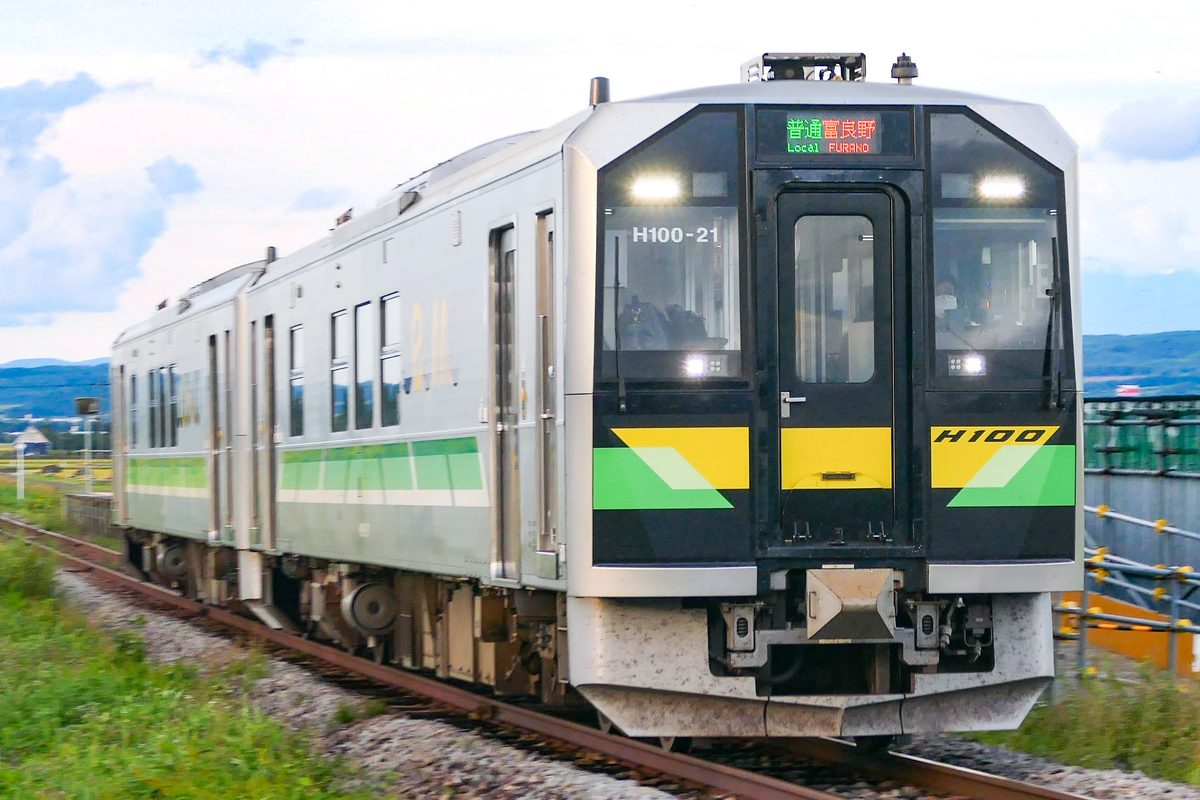
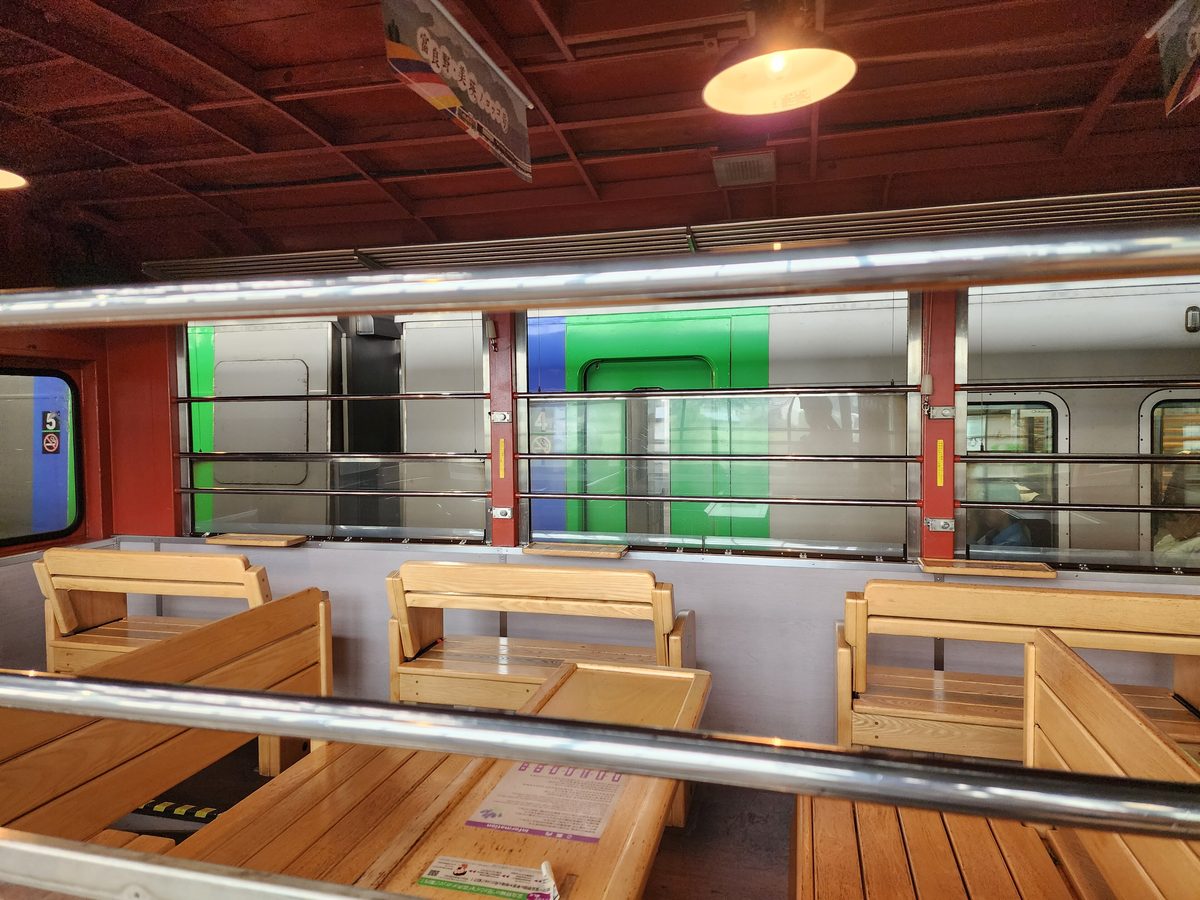
The reason is simple: this isn’t a commuter service built for efficiency. It’s a train meant to make you look out the window, slow down, and pay attention to the landscape. Take JR Hokkaido’s Norokko branding, for instance; the whole identity is built around the idea of slow movement, and that gives the ride a very different mood from an express or limited express train. Classic Japan, isn’t it?
According to the material linked from ekitan, this is a concrete train service with route information, fares, and operating times rather than a vague sightseeing label. That makes it especially useful if you’re planning an actual trip, not just collecting train names for your Japan bucket list. Wait, there’s more.
Ticket prices and travel times
What many readers want first is the practical part: how much it costs and how long it takes. The route planner source on ekitan is the place to check the exact fare and schedule for JR-Norokko Kawayu Onsen Go, and that’s especially important because sightseeing trains in Japan can have different fare structures depending on seat type and reservation rules.
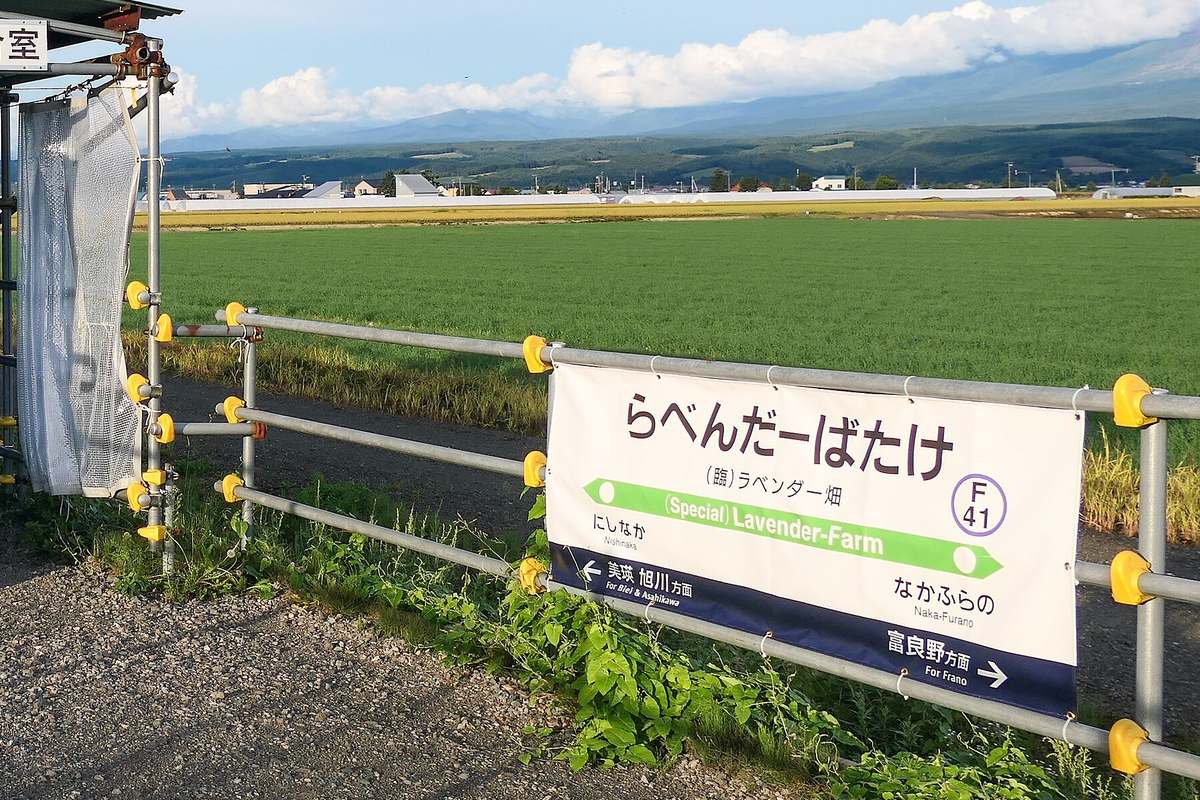
Here’s the catch: if you’re comparing it with a normal local train, you should think of it as a ride you choose for the experience. Unlike what we’re used to with fast point-to-point rail travel, the appeal here is the pace. In other words, the timetable is only half the story, because the windows, the countryside, and the stop-and-look style are the rest of the product.
What I especially like is how this kind of service turns a simple transfer into a travel memory. My tip: if you’re learning Japanese, this is a good chance to pick up rail vocabulary in context, like 時刻 (jikoku, time; timetable) for timetable, 切符 (kippu, ticket) for ticket, and 乗り場 (noriba, platform; boarding area) for platform, without forcing study time. Speaking of which, the slower format also gives you more time to read station signs and announcements, which is genuinely helpful if you’re still getting comfortable with kana and place names.
One thing to keep in mind is that prices and operating dates for niche sightseeing trains can change seasonally or by service day. So if your trip depends on this train, check the linked planner close to departure, especially if you’re connecting from an onsen stay at Kawayu Onsen or planning a same-day return from Kushiro. Not bad, right?



Why Norokko trains have such strong niche appeal
Compared to back home, where sightseeing rail services can feel like a novelty add-on, Japan often gives them a very specific regional identity. Norokko trains are a good example. They’re not just decorated trains, they’re tied to a place, a route, and a seasonal travel rhythm that rail fans follow closely.
What many overlook is the meaning of the name itself. Norokoro hashiru torokko ressha roughly points to a slow-moving trolley train, and that is exactly the vibe JR Hokkaido is selling. The name tells you what to expect before you even board. For a learner, that’s a nice reminder that Japanese often compresses a lot of meaning into a single word or nickname.
Take the Kushiro wetland connection, for instance. Sightseeing trains in eastern Hokkaido are often about landscape first, transport second, and the wetland setting gives the whole journey a quiet, open feeling that many visitors want from a Hokkaido trip. If you’re a fan of rail travel, or you just like train lines with a strong sense of place, this is the kind of service that stands out. My verdict:
How to use this route in a Japan trip
If you’re building a Hokkaido itinerary, the Kawayu Onsen to Kushiro direction can work well as part of an onsen-and-nature trip. Spend time in Kawayu Onsen, then continue towards Kushiro for city access or onward travel. That makes the train useful even if you’re not chasing rail content for its own sake.
Here’s the thing: niche sightseeing trains are often the most rewarding when you already have a reason to be in the region. They’re less about chasing a famous icon and more about fitting a memorable ride into a real route. If you know Japanese place names, this is also a good chance to notice how station names are often descriptive and geographically grounded, which makes reading maps and timetables a little easier over time. Sounds good, right?
For the latest schedule and fare details, keep the ekitan planner open while you plan. And if you want more Japan travel and rail stories, see more Japan news on jpnerd.com.
In pictures
Frequently Asked Questions
What is JR-Norokko Kawayu Onsen Go?
It is a JR Hokkaido sightseeing train running on the Kawayu Onsen to Kushiro route.
Where can I check the schedule and ticket price?
The linked ekitan route planner provides the timetable and fare information for this service.
Why do Japan fans like Norokko trains?
They’re slow scenic trains built around the ride experience, local landscapes, and a strong regional identity.


