The reason’s simple: some parts of Japan need hands more than they need another selfie queue. If you care about Japan Workation, Japan Urlaub arbeiten, or Japan Landleben erleben, this is a very live option.
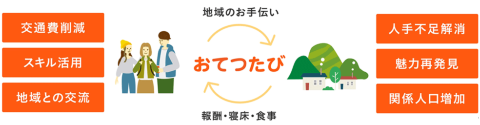
Guess what? Ote-tsutabi, written おてつたび, comes from a neat little mash-up of otetsudai (helping out) and tabi (travel). The idea’s plain enough that it almost feels suspicious: you go somewhere in Japan, work for a short stretch, and in return you usually get lodging plus pocket money, often around 900 to 1,200 yen an hour. Not a salary. Not a career move. Just a practical exchange. And that, frankly, is the charm.
This matters now because Japan’s tourism conversation has changed. The country still wants visitors, of course, but it also wants to spread them out, slow them down, and stop the same few places from getting flattened by the same few crowds. If you’ve ever watched the line at the Mount Fuji 5th Station, or seen the endless photo-management drama around Gion in Kyoto, you know how quickly the feel of a place can get worn down. Ote-tsutabi is one response. Not a grand policy. A sideways one. Classic Japan, isn’t it?
What Ote-tsutabi actually is
Here’s the thing: Ote-tsutabi isn’t volunteer travel, and it isn’t a standard part-time job either. It sits in the middle. A host business in a rural area, a ryokan, a farm, a winery, sometimes a festival team, lists a short-term opening. You apply through the platform, get matched, travel there, work for a set period, and stay on site or nearby, usually with accommodation covered. Some jobs also include meals, which makes the numbers feel even lighter on your wallet.
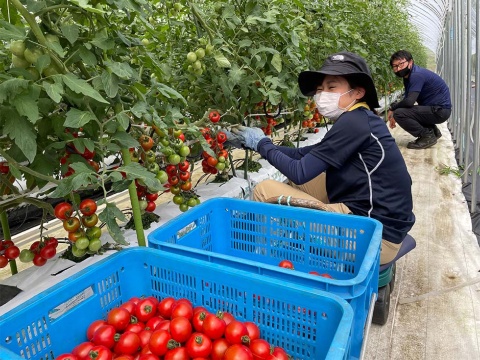
The work itself is often seasonal and physical. Strawberry picking in Chiba. Rice planting in Niigata. Housekeeping in a ryokan in Nagano. Grapes in a vineyard in Yamanashi. Event support at a local matsuri, where the job might be as small as moving crates or checking visitor flow, or as messy as carrying things in the rain while old men shout instructions at impossible speeds. I mean that affectionately. The whole thing is usually short-term, a few days to a couple of weeks, and the hosts use it to cover labour gaps that are very real in Japan’s ageing regions.
My tip: think of it as travel with a task, not work with a scenic backdrop. That shift in attitude matters. If you want the Instagram version, you’ll be bored by noon. If you want texture of place, and the odd ache in your shoulders, it’s simply brilliant.
How to book Ote-tsutabi and whether you need Japanese
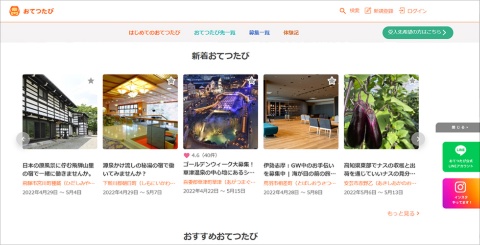
Fun fact: the booking flow is pretty straightforward. You create an account on the Ote-tsutabi app or web platform, browse listings by region, job type, dates, and conditions, then apply to the openings that fit your schedule. If the host accepts you, the platform handles the match. No secret handshake. No mountain hermit bureaucracy.
Language is the practical question. Do you need Japanese? Short answer: not always, but some is very helpful. Many listings are written in Japanese, and the host may expect basic conversation ability, especially for farm work or ryokan shifts where you need to understand instructions quickly. That said, some hosts are used to first-time helpers and can manage with simple Japanese, gestures, and a lot of patience. If you know phrases like yoroshiku onegaishimasu, wakarimasen, and ikura desu ka, you’re already better prepared than you think.
And it gets better: Ote-tsutabi can actually be a good Japanese learning project because the vocabulary is concrete. You learn words that stick because they’ve got mud on them. Inaka for countryside, kinjo for nearby, kasegi for earning, shukuhaku for accommodation, te-tsudau for helping. This isn’t classroom Japanese floating in the air. This is language attached to a bucket, a towel, a bus timetable, a tray of rice balls.
By the way: if you’re searching in English, the phrases Japan Workation and Japan cheap travel 2026 will probably lead you to broader remote-work ideas, not Ote-tsutabi exactly. But they do share the same mood, which is to move through Japan more slowly and spend your money more locally, not just on rail passes and convenience-store dinners. From my experience, that changes the trip more than people expect.



Examples: farms, ryokan, wineries, and festivals
For example, farm placements are the most obvious entry point. Japan has serious labour shortages in agriculture, especially in rural prefectures where the population is older and seasonal work still needs doing at set times. Ote-tsutabi helps fill gaps during planting, weeding, sorting, harvesting, and packing. If you want to see Japan Landleben erleben in a real sense, not a bus-window sense, this is one of the clearest ways in.
Ryokan jobs are a different mood. You might help with room cleaning, bedding, food service, or front-desk support. The pace can be calm, then suddenly very not calm when check-in and dinner collide. Wineries and fruit farms, especially in places like Yamanashi or Nagano, can feel more open-air and seasonal, with more conversation around the work itself. Then there are festivals, which are a category of their own. A matsuri doesn’t care about your comfort. It cares about whether the lanterns are up, the route is clear, and the people who said they would help actually show up. Sounds weird, but it's true.
What I especially like is that each of these settings gives you a different grammar of place. The farm has distance and weather. The ryokan has ritual. The winery has patience. The festival has collective energy, and a lot of tape. You are not just passing through. You’re slightly inside the machine. That changes how Japan feels in the body. More soon.
Why Ote-tsutabi fits Japan’s anti-overtourism moment
Here’s the political edge, if we want to call it that. Japan is still dealing with concentration: too many visitors in too few places, at too few times, doing the same few things. Kyoto’s Gion district has pushed back against intrusive photography, and the access restrictions around popular Fuji viewing and climbing points have been tightening in stages because local infrastructure isn’t endless. The message isn’t anti-tourist. It’s anti-chaos.
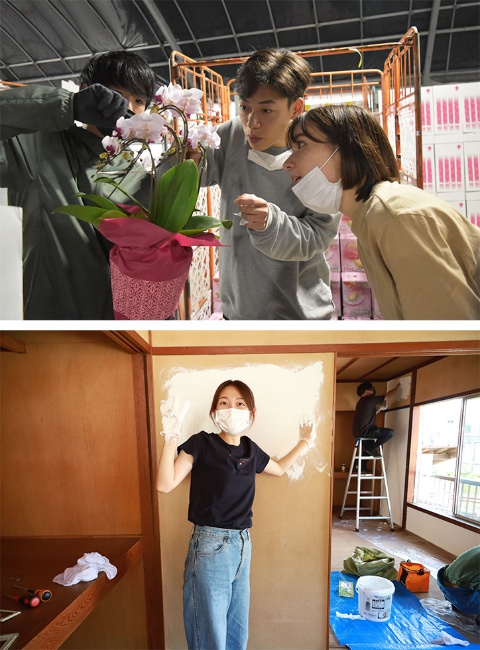
Ote-tsutabi fits that mood because it redistributes attention. A person who goes to a lesser-known town to help on a farm or at a ryokan isn’t adding pressure in the same way a day-tripper cluster does. They spend locally, sleep locally, and usually move more slowly. They also tend to go places where there’s actual need, which is a cleaner story than pretending every trip is automatically “sustainable”. It isn’t. Some are just less bad. This one’s better than most.
On the flip side, it isn’t a magic fix. You still need to be useful, flexible, and honest about your stamina. You may get muddy. You may be tired by 9 p.m. You may discover that carrying vegetable crates in July is a rude little education. But if your idea of travel includes useful labour, language practice, and a cheaper way to see Japan beyond the tourist spine, Ote-tsutabi is a very sharp fit. Consider it a Japan vacation working model, though I’d say the work part does the heavy lifting, literally.
Wait, there’s more. Because this is also one of the best ways to meet people who actually live in the place you came to see. Not performatively. Not in a “let me tell you about local culture” way. Just by showing up, being helpful, and staying long enough for names to matter. That’s the whole game.
In pictures


Frequently Asked Questions
What is Ote-tsutabi in simple terms?
It is a short-term travel-and-work programme in Japan where you help a local host, usually get accommodation, and often receive pocket money too.
Do I need strong Japanese to join?
Not always, but basic Japanese helps a lot. Some hosts are fine with simple phrases and gestures, while others expect clearer communication.
Is Ote-tsutabi cheaper than normal travel in Japan?
Usually yes. With lodging covered and a small hourly payment, it can be far cheaper than a standard hotel-based trip.