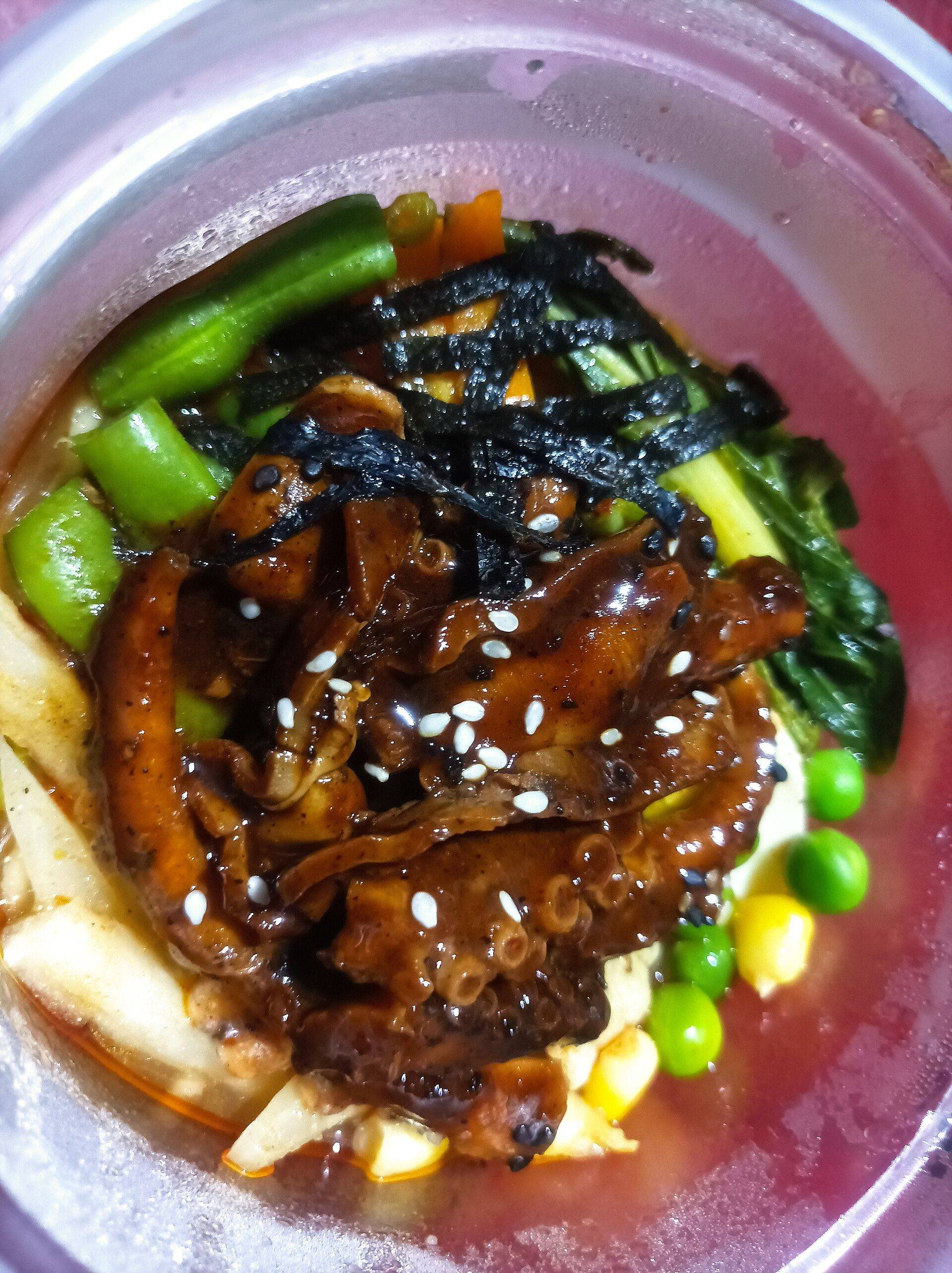
Today I'm sharing a food deep-dive on Kawasaki's cult ramen, with a look at the dish, the shop, and the flavours that make it work: ground meat, garlic, and chilli.
Kawasaki's new tantanmen and why it stands out
Kawasaki, in Kanagawa Prefecture, sits between Tokyo and Yokohama, and it has its own strong food identity. New tantanmen is part of that identity. The bowl is direct and easy to read: rich sesame broth, minced meat, garlic, chilli, and noodles that can carry all of it without losing texture.
Ever wondered why a bowl like this becomes cult food? It's because it solves a simple problem really well. You get heat, aroma, fat, and depth in one meal. That reminds me: many Japanese comfort dishes work this way. They don't try to impress with complexity. They focus on balance and repeatability, and that's what keeps people coming back.
New Tantanmen Honpo helped define that style in Kawasaki. The shop name itself tells you what matters. It's not pretending to be delicate. It's offering a clear, satisfying bowl built around a few strong ingredients. Personally, that kind of focus is what I look for in local ramen shops. But let's stick with the bowl for now.
New Tantanmen Honpo in Kawasaki, Kanagawa Prefecture
The first time I went to Japan, I noticed how often the best food stories were tied to a specific station area or neighbourhood rather than a big national chain. Kawasaki is exactly like that. It's a busy city, a transport hub, and a place where everyday lunch matters. New Tantanmen Honpo fits that rhythm. It's the kind of shop people visit for a fast meal, then remember for years.
Here's the kicker: the appeal isn't only taste, but clarity. You can walk in, order a bowl, and know what you're getting. For Japanese language learners, this is a useful place to notice how menu language works. Words like ramen, tantanmen, niku miso, karai, and ninniku appear often enough that you'll start recognising them in context. If you see men, it usually points to noodles. If you see karai, expect heat. Simple vocabulary, strong results.
By the way, Kawasaki food culture is broader than ramen. The city has long been associated with working people, commuters, and practical eating. That matters. A dish like new tantanmen is built for people who want something filling and memorable, not a polished tasting menu. That's why it feels local rather than generic. It belongs to a place with a clear daily pace. Wait, there's more.
Ground meat, garlic, and chili: the signature trio
What makes this bowl memorable is the signature trio: ground meat, garlic, and chilli. The minced meat gives the broth body. Garlic lifts the aroma. Chilli brings the finish. Together, they create a layered taste that stays with you after the last bite. Sounds strange, but it's true: a ramen bowl can feel almost complete because of a small amount of minced meat when it's seasoned properly.
Why ground meat matters
Ground meat isn't just a topping here. It flavours the broth as you eat, and it gives each spoonful something soft and savoury to catch. In Japanese cooking, this is a familiar method. You see it in mapo tofu, soboro, and other home-cooked dishes where small pieces distribute taste evenly. My tip: if you're making a similar bowl at home, brown the meat well before adding liquid. You want some caramelisation. That adds depth without making the soup heavy.
How garlic and chili shape the bowl
Garlic does the work of opening the aroma. Chilli sets the pace. If you use too much too early, the bowl becomes blunt. If you add it in layers, the flavour stays clear. That's why this ramen feels so satisfying. It's bold, but not careless. The heat is part of the design, not an accident. That's why people remember it as soul food rather than just spicy ramen.
Let's be honest: this isn't the bowl for a quiet, subtle lunch. It's meant to wake you up. Still, the strong seasoning doesn't cancel comfort. It supports it. The broth, noodles, and toppings move together in a way that makes sense from the first slurp to the last sip. And if you're learning Japanese, this is a good dish to connect words with taste. Ninniku is garlic. Karai is spicy. Niku means meat. Those are practical words you'll use again.
How to read this bowl like a Japan fan and learner
Compared to back home, Japanese ramen shops often specialise very hard. That's part of the fun. A place like New Tantanmen Honpo doesn't need a giant menu to make its point. It leans on one bowl, one style, one city, and a repeatable experience. Simply effective.
If you visit Kawasaki, pay attention to the station area, lunch crowds, and the speed of service. Those details tell you how a dish lives in daily Japanese life. Also, note the language around the bowl if you can find a menu photo or shop sign online. Ramen vocabulary is one of the easiest ways to build confidence in Japanese reading because the same terms keep appearing in different places. You start recognising them before you realise it.
While we're at it: if you want to understand why local ramen becomes cult food, look for three things. First, a clear flavour identity. Second, a city that supports everyday eating. Third, a shop that keeps the same core idea over time. New Tantanmen Honpo has all three. This is my absolute hidden gem! It's specific, practical, and very Japanese in the best sense. Personally...
If you want to keep exploring Japan-focused food and culture stories, start with the wider context around local ramen in the Kanto area. Then compare how different shops use seasoning, broth, and toppings. You'll notice that some bowls ask for silence. This one asks for attention.
Frequently Asked Questions
What is new tantanmen?
It is a ramen style built around a spicy, savoury bowl, usually with ground meat, garlic, and chilli.
Where is Kawasaki?
Kawasaki is a city in Kanagawa Prefecture, between Tokyo and Yokohama.
Why is this ramen so popular?
It is bold, filling, and easy to recognise, with a flavour profile that many people remember after one bowl.