
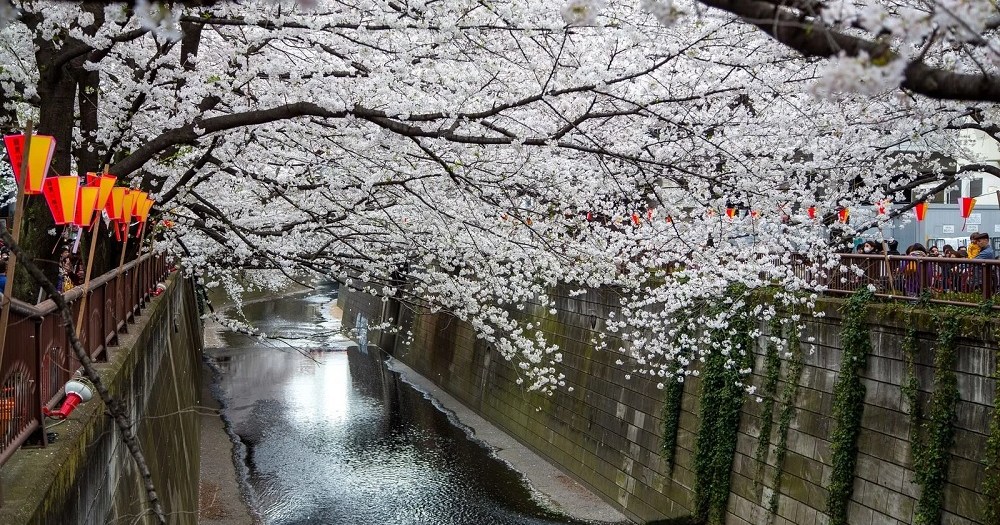
The Spot That Got Too Famous: Shibuya's Cherry Blossom Problem
I still remember the first time I stumbled across one of those tucked-away Tokyo spots during sakura season. A narrow path, no tour groups, just locals sitting on blue tarps with their convenience store bento. That feeling's becoming increasingly rare.



The location in question sits near Shibuya, one of Tokyo's busiest and most internationally recognised districts. It had been, until recently, the kind of place that regulars quietly treasured. Word spread online, travel influencers posted their shots, and suddenly it wasn't quiet anymore. Not even close.
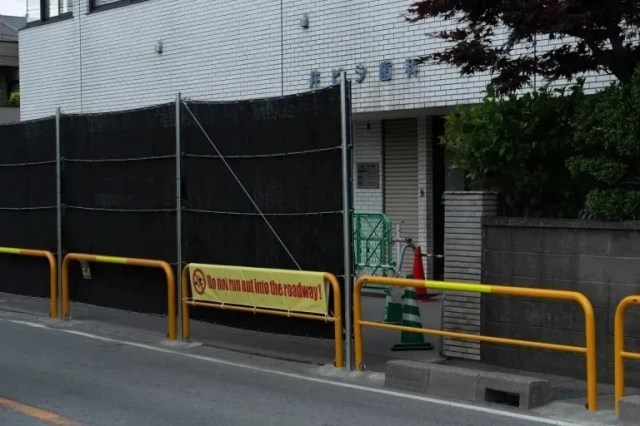
By spring 2026, the crowds had grown to a point where local authorities and property managers decided enough was enough. Large view-blocking screens, essentially tall opaque panels, were installed directly at the spot to discourage people from gathering and photographing. The screens don't just limit the photo opportunity; they effectively shut down the experience entirely for anyone hoping to recreate those dreamy sakura shots that went viral.
Sounds drastic, right? But this is a pattern Tokyo residents know well. Classic Japan, isn't it?
Overtourism and the Logic Behind the Screens
Ever wondered why Japanese cities sometimes seem to respond to popularity with restriction rather than expansion? It comes down to a deeply rooted cultural value: consideration for others, or in Japanese, meiwaku (迷惑), meaning roughly 'causing trouble or inconvenience to those around you'. Blocking a view is, from this perspective, far less of a problem than allowing chaos to continue unchecked.
The screens near Shibuya follow a precedent set elsewhere in Japan. The town of Fujikawaguchiko in Yamanashi Prefecture made international headlines in 2024 when it erected a large black barrier to block a viral view of Mount Fuji above a Lawson convenience store. That move was driven by tourists jaywalking, blocking traffic, and ignoring local residents entirely. The Shibuya sakura situation is a different scale, but the logic's identical.
What the Screens Actually Look Like
These aren't subtle. Footage shared online shows tall, solid panels positioned specifically to obstruct the camera angles that made the spot famous on Instagram and TikTok. There's no gap to peek through, no partial view. The message is clear and very deliberately so.
On the flip side, some locals have expressed relief. Neighbourhood residents who were dealing with noise, litter, and strangers peering into their daily lives during peak hanami hours are, understandably, not mourning the loss of the photo spot.
What This Means If You're Planning a Tokyo Spring Trip
Pro tip: if you're visiting Tokyo for cherry blossom season, do yourself a favour and stop chasing the spots that every travel account's already posted. The sakura season typically runs from late March into early April in Tokyo, though exact timing shifts yearly depending on temperatures. In 2026, the blooms arrived right on schedule.



There are still genuinely wonderful, less-documented hanami spots across the city. Koenji, Nakameguro (yes, it's busy, but early mornings are manageable), and the lesser-photographed stretches along the Zenpukuji River are all worth your time. The point is to move away from the algorithmically famous and toward the actually enjoyable.
And it gets better: if you speak even basic Japanese, you'll find that approaching locals politely and asking for recommendations, using something like 'Osusume no hanami spot wa arimasu ka?' (おすすめのお花見スポットはありますか, 'Do you have a recommended hanami spot?'), opens doors that no travel blog can.
Japanese Vocabulary Worth Knowing for Sakura Season
Before I forget, if you're a Japanese learner, sakura season is genuinely one of the best times to absorb seasonal vocabulary. Mankai (満開) means 'full bloom', and you'll see it everywhere in weather forecasts and news during spring. Chiru (散る) means 'to fall' or 'to scatter' and describes the petals drifting from the trees, a moment the Japanese consider just as beautiful as the bloom itself. And hanami (花見) literally breaks down into hana (花, flower) and mi (見, viewing), a clean example of how kanji compounds work in everyday Japanese.
That brings us to a bigger point about learning Japanese through cultural events. Seasonal language in Japan isn't just poetic fluff; it's woven into daily conversation, news reports, and social media. Following Japanese Twitter (now X) accounts during sakura season is genuinely useful input practice. Personally, I think it's one of the most enjoyable ways to absorb real, living Japanese.
A Shift in How Tokyo Manages Its Own Identity
Unlike what we're used to in many Western cities, Tokyo doesn't typically lean on aggressive crowd-control marketing or visitor caps at individual spots. The default has long been quiet endurance. But that's shifting. The screens near Shibuya are part of a broader, if uncoordinated, rethinking of how the city handles its own popularity.
Fun fact: Japan welcomed a record 36.8 million foreign visitors in 2024, according to the Japan National Tourism Organization (JNTO). That number's expected to keep climbing. The infrastructure of 'hidden gems' simply wasn't built for that volume.
My tip: visit Japan in shoulder season if you can. November for koyo (紅葉, autumn foliage) is spectacular and far less chaotic than peak sakura weeks. You'll see a different, quieter side of the country, and honestly, it's worth it.
The screens near Shibuya won't be the last of their kind. More spots will follow if visitor numbers keep rising and behaviour doesn't change. That's not a criticism of tourists broadly; it's just the math. Wait, there's more: the real question isn't whether the screens are good or bad. It's whether we as visitors are willing to adjust how we engage with places that were never designed to be destinations in the first place.
More Japan news on jpnerd.comFrequently Asked Questions
Why did Tokyo install view-blocking screens at the cherry blossom spot near Shibuya?
The screens were installed in spring 2026 to manage severe overcrowding at a popular sakura viewing location near Shibuya. The spot had gone viral on social media, attracting far more visitors than the area could handle, causing disruption to local residents and the surrounding neighbourhood.
Is this the first time Japan has used barriers to manage overtourism at scenic spots?
No. In 2024, the town of Fujikawaguchiko in Yamanashi Prefecture erected a large black barrier to block a viral Mount Fuji photo spot above a Lawson convenience store, after tourists caused traffic and safety issues. The Shibuya sakura screens follow a similar approach.
What is hanami and when does cherry blossom season happen in Tokyo?
Hanami (花見) is the Japanese tradition of gathering outdoors to enjoy cherry blossoms, typically with food and drinks. In Tokyo, sakura season usually falls between late March and early April, though the exact timing varies each year based on winter temperatures.


