What I especially like is how the modding scene keeps pushing the series closer to the details car nerds notice first: seats, dashboards, and the little driving rhythms that make a road feel Japanese. Classic Japan, isn't it?
![Dragon Ball Z: Kakarot [Master Edition]](https://s.pacn.ws/1/p/1eh/dragon-ball-z-kakarot-master-edition-908785.1.jpg?v=t8ja8t&width=400)
![Startup Company [Console Edition] (Limited Edition)](https://s.pacn.ws/1/p/157/startup-company-console-edition-limited-edition-741799.16.jpg?v=ry4mm8&width=400)
![Startup Company [Console Edition]](https://s.pacn.ws/1/p/157/startup-company-console-edition-741779.10.jpg?v=ry4ngq&width=400)
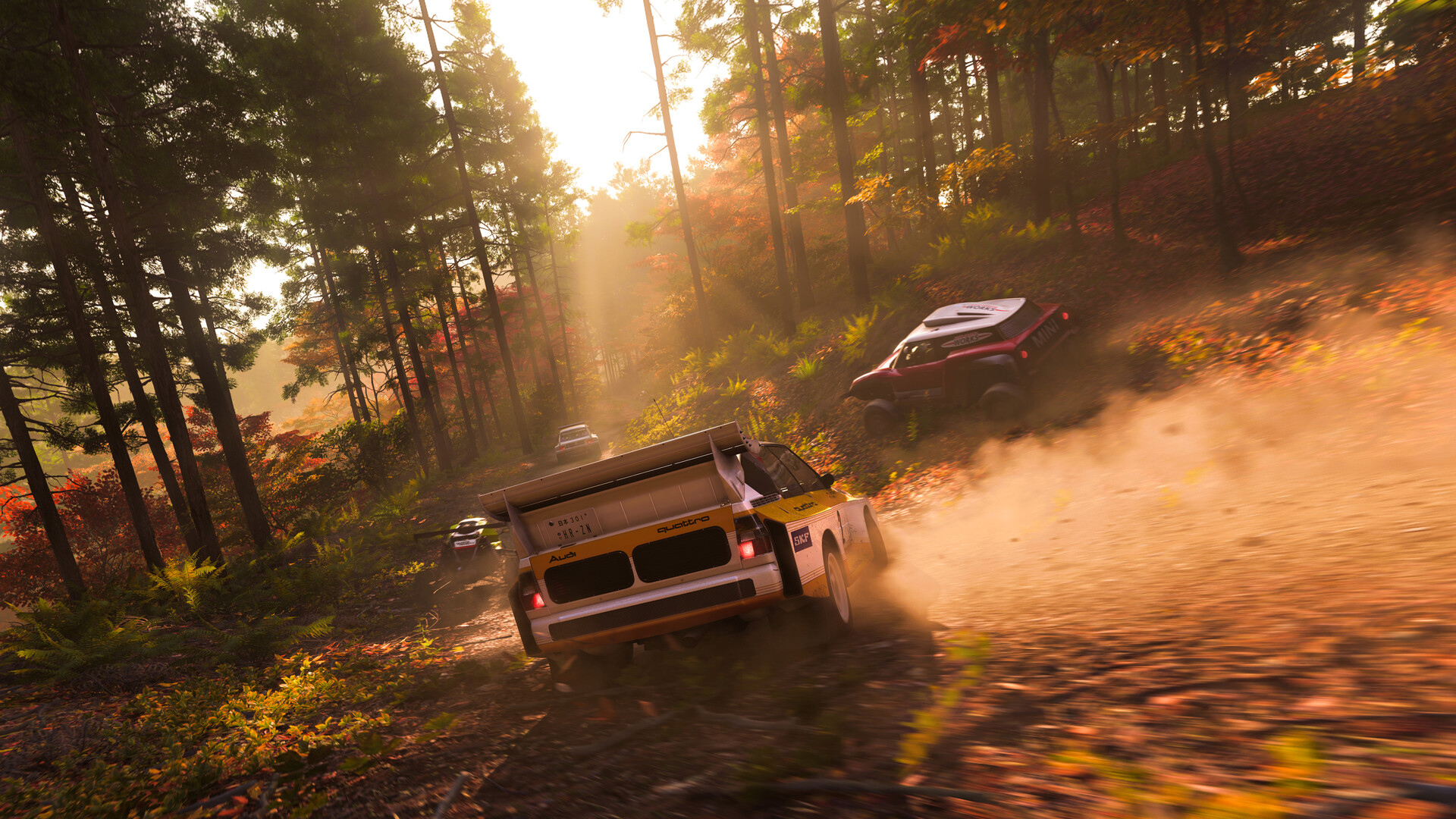
Ever wondered why a single mountain road can make a racing game feel like a holiday in Japan? That’s exactly what’s happening around Forza Horizon 6, Hakone 七曲り (Nanamagari, seven bends) 峠 (Touge, mountain pass), and a clever customisable interiors mod that’s turning an already tempting setup into something much more specific. The result is less “generic open world”, more “I can almost smell the konbini coffee at the start line”.
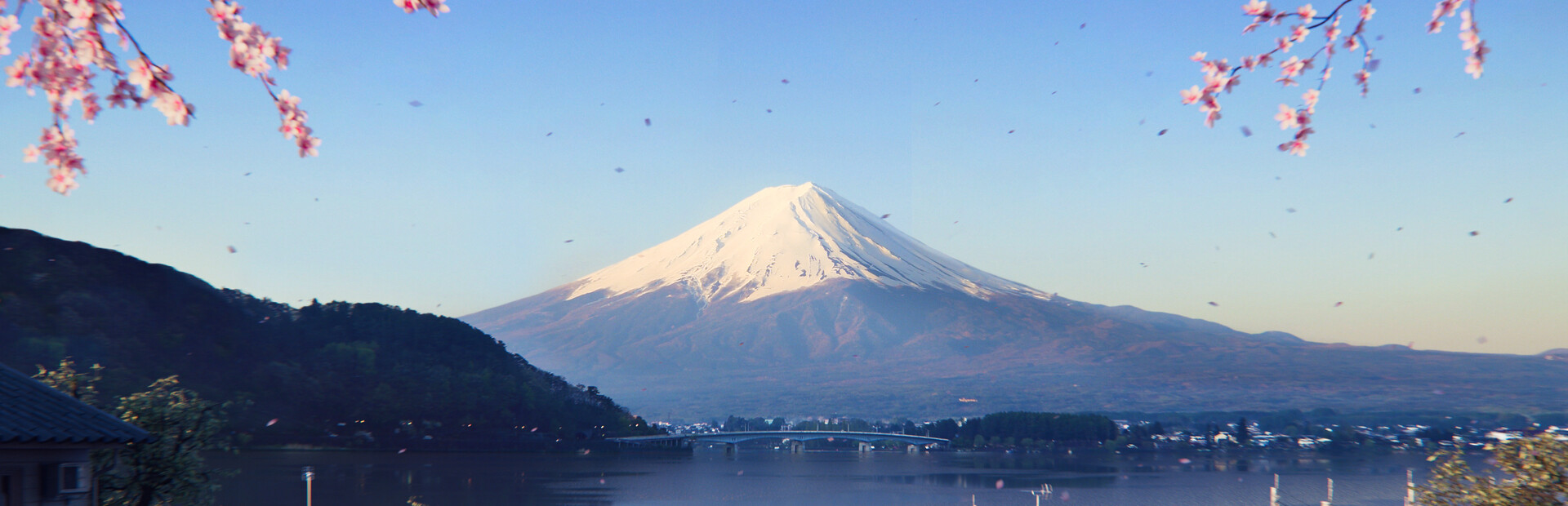
Before I forget: the appeal here isn’t just visual. It’s cultural, mechanical, and surprisingly local, because Hakone isn’t just any scenic area, it’s one of the most recognisable driving regions in the Kanto area, sitting west of Tokyo in Kanagawa Prefecture. If you’ve ever studied Japanese travel vocabulary, this is where words like 山 (yama, mountain), 道 (michi, road), and onsen stop being textbook entries and start feeling like lived-in places. But that’s not all.
Forza Horizon 6 and the Japan-location fantasy
Forza Horizon 6 hasn’t just become another car game talking point, it’s also part of a long-running wish list from fans who’ve wanted a proper Japan location for years. Unlike what we're used to in many racing games, the setting matters as much as the car roster here. Japan brings narrow roads, dense signage, mountain passes, city edges, and that very particular mix of order and chaos that makes a drive feel alive.
For Japan fans, that matters. A good Japan-location in a game is never only about 桜 (sakura, cherry blossoms) trees and neon, it’s about road design, traffic flow, guardrails, vending machines, and the way a hill road suddenly opens onto a view of a lake or a shrine gate. To be fair, that’s harder to fake than people think. But when a game gets it right, even a short commute-shaped route can feel like a road trip. See what I mean?
Why Hakone works so well
Hakone is an easy choice for a Japan-set racer because it already has the right ingredients. You get mountain roads, tourist traffic, scenic overlooks, hot springs, and the sort of elevation changes that make touge driving feel dramatic even before you touch the accelerator. The area around Hakone Nanamagari Touge is especially useful in a game setting, because twisty roads and tight corners naturally reward careful tuning and smooth inputs.
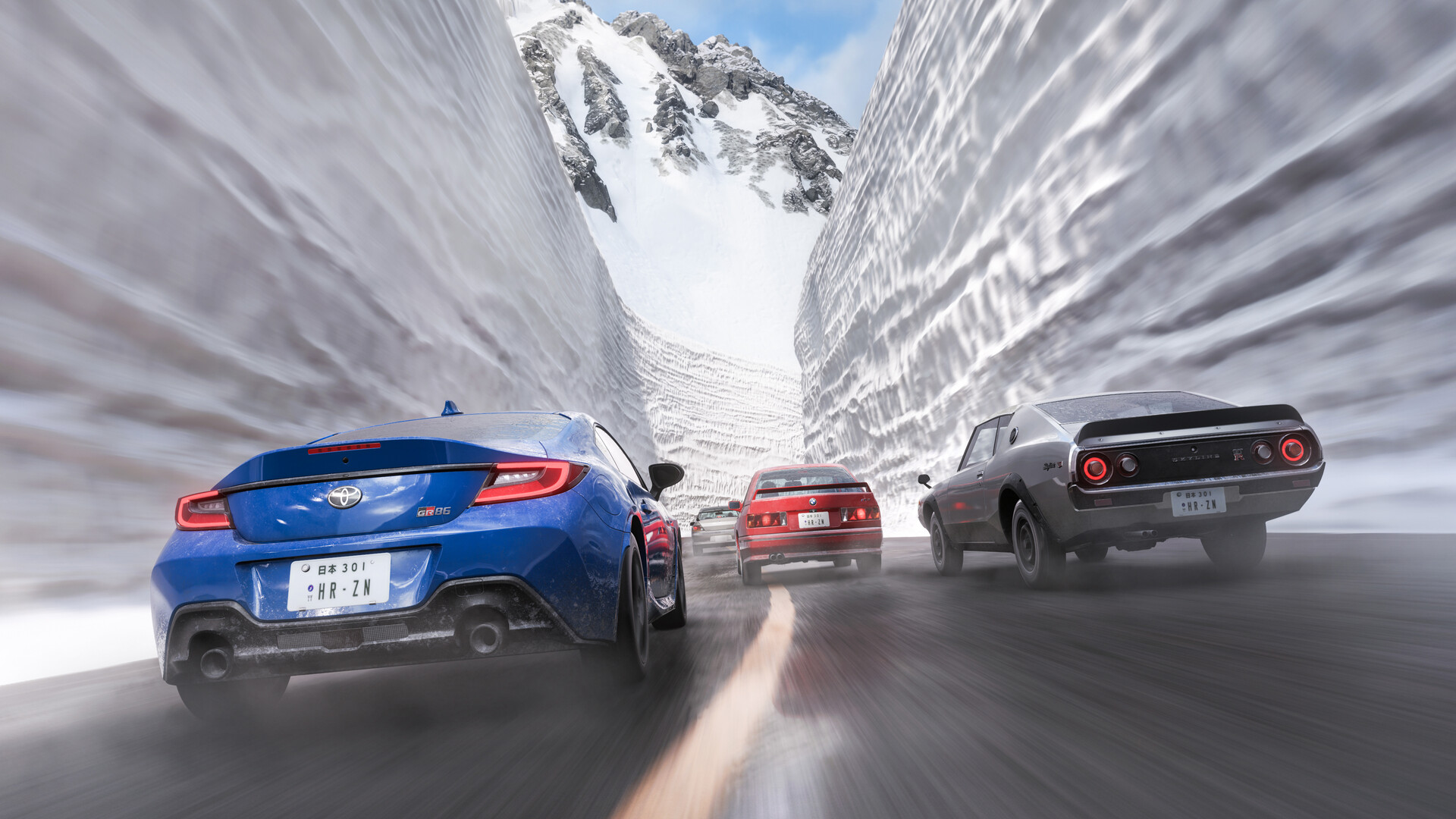
What most people don't know: Hakone is also a place where driving culture and sightseeing culture overlap in a very Japanese way. One person is there for a ryokan and an onsen bath, another is there because they want a late-night run through the hills. Same road, very different mood. Simply brilliant. But that's not all.
Hakone Nanamagari Touge and the appeal of mountain driving
Hakone Nanamagari Touge has become the kind of location that car fans instantly understand, even if they’ve never driven it. “Touge” means mountain pass, and in Japanese car culture it carries a huge amount of emotional baggage. It’s where handling matters, where engine note matters, where every corner can feel like a small exam.
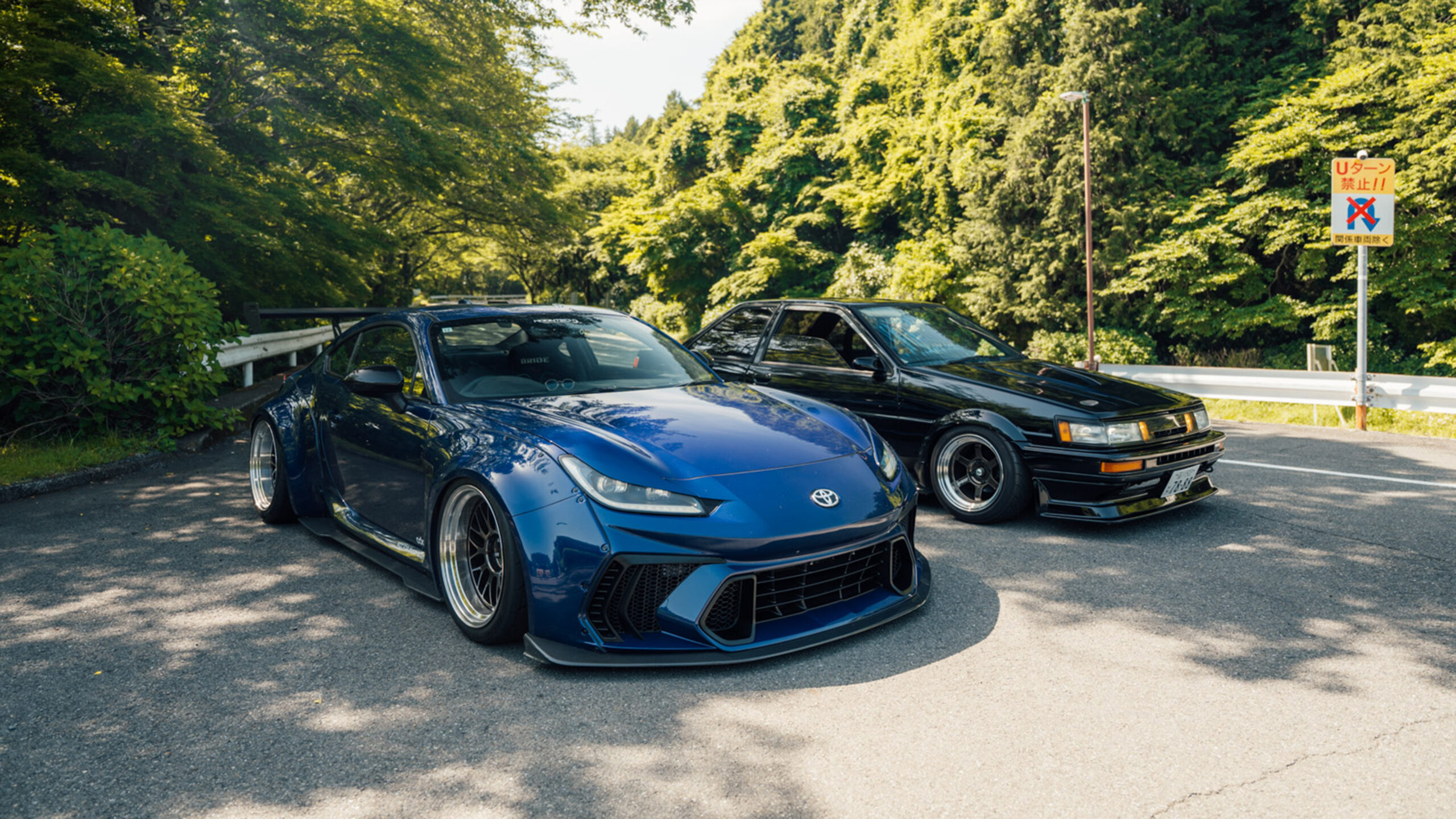
In a game, that makes the road more than scenery. It becomes a stage. The tighter hairpins, the slope changes, and the rhythm of acceleration and braking create a flow that suits lightweight sports cars far better than brute-force machines. Seriously though: this is why a car like the Toyota GR86 feels so natural here. It’s not about overwhelming power, it’s about balance, feedback, and keeping the car settled through each bend.
Toyota GR86 fits the road mood perfectly
The Toyota GR86, introduced in 2021 as the successor to the 86/GT86 formula, is almost tailor-made for this kind of route. It has rear-wheel drive, a low stance, and just enough performance to make you pay attention without becoming intimidating. In a Japan road setting, that matters more than a huge horsepower figure. My tip: if you’re learning car vocabulary in Japanese, this is a great place to notice words like シフト (shifuto, shift / gear shift), kado, and torakku when you hear fans describe the driving feel.
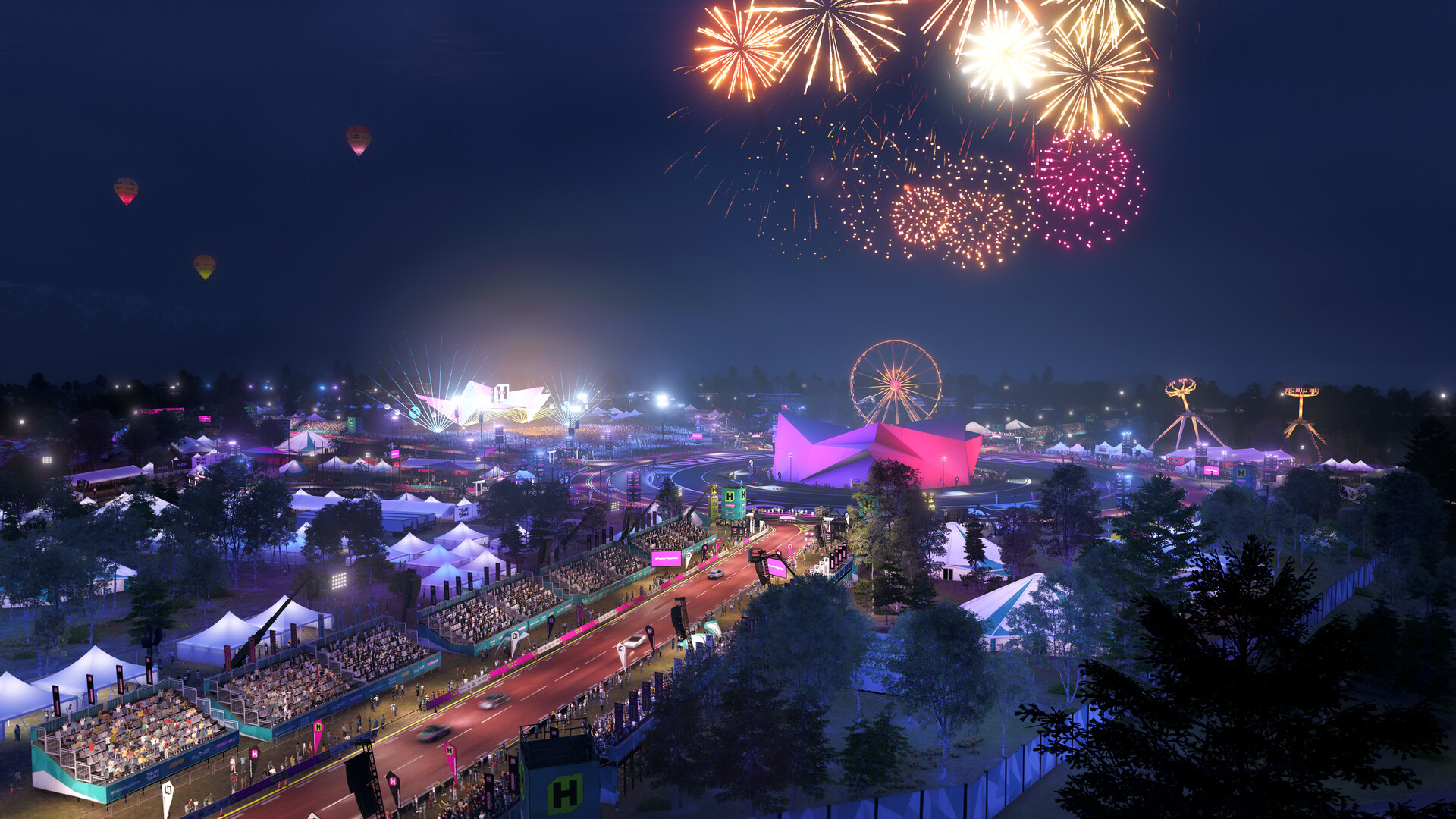
And yes, the GR86 also matches the visual language of modern Japanese enthusiast culture. It’s compact, purposeful, and recognisable without screaming for attention. On Hakone’s roads, that restraint feels right. Plot twist: the most believable car in a fantasy Japan route is often the one that looks like it belongs at the local meet, not the one that looks fastest on paper. Convinced yet?
The customisable interiors mod that changes everything
Here’s the kicker: the modder behind this setup didn’t just swap a few textures and call it a day. The customisable interiors mod focuses on something racers spend most of the time looking at anyway, the cabin. Seats, trim, position details, and interior layout can all shift the feeling of a car from “nice” to “this is my car”.
That matters in Forza Horizon 6 because interior view is where immersion either clicks or falls flat. If you’re driving Hakone Nanamagari Touge in a Toyota GR86, the view over the dash, the seat shape, and the overall cockpit mood can make the car feel like a real machine on a real road, not just a model on rails. While we're at it: this is the kind of modding detail that Japan fans tend to love, because Japanese car culture is obsessive in the best way, down to bucket seats, steering wheel choice, and the texture of the trim. Classic Japan, isn't it?
Let’s be honest: a lot of players will never notice the difference between one seat design and another. But the people who do notice? They’re usually the ones who also know why a late-night Hakone run feels different from a wide motorway blast. That’s the audience this mod speaks to, and it speaks clearly. Simply brilliant.

Why this Japan-location detail matters for fans and learners
For jpnerd.com readers, this is more than gaming news. It’s a neat example of how Japan pops up across hobbies, from travel to cars to language. If you’re learning Japanese, roads and car culture give you useful everyday vocabulary, and they also teach context. Words like touge, oonii, konbini, and onsen become easier to remember when you connect them to a place like Hakone rather than a flashcard.
That’s why I like these gaming deep-dives. They give you a reason to care about geography, too. Hakone is near Tokyo but feels like a different pace entirely, and that contrast is very Japanese. A place can be touristy, local, nostalgic, and performance-focused all at once. See what I mean?
Before I forget: if Forza Horizon 6 keeps leaning into this level of location detail, it could become one of the better virtual postcards of Japan we’ve seen in a mainstream racer. And with the right mods, that postcard starts to feel hand-addressed to enthusiasts. But that's not all.
In pictures
Frequently Asked Questions
What makes Hakone a strong setting for a racing game?
Its mountain roads, scenic views, and changing elevation create a natural fit for technical driving.
Why do players care about customisable interiors?
Because the cockpit view is where you spend most of the drive, and small details affect immersion a lot.
Why is the Toyota GR86 a good match for Hakone Nanamagari Touge?
Its lightweight, balanced layout suits tight corners and mountain road driving better than heavy power-focused cars.