If you know your ハチロク (hachiroku, 86), you already know why this pairing matters. If you don’t, no worries, I’ll walk you through the lore, the road, and the little details that make this one such a satisfying Japan story.



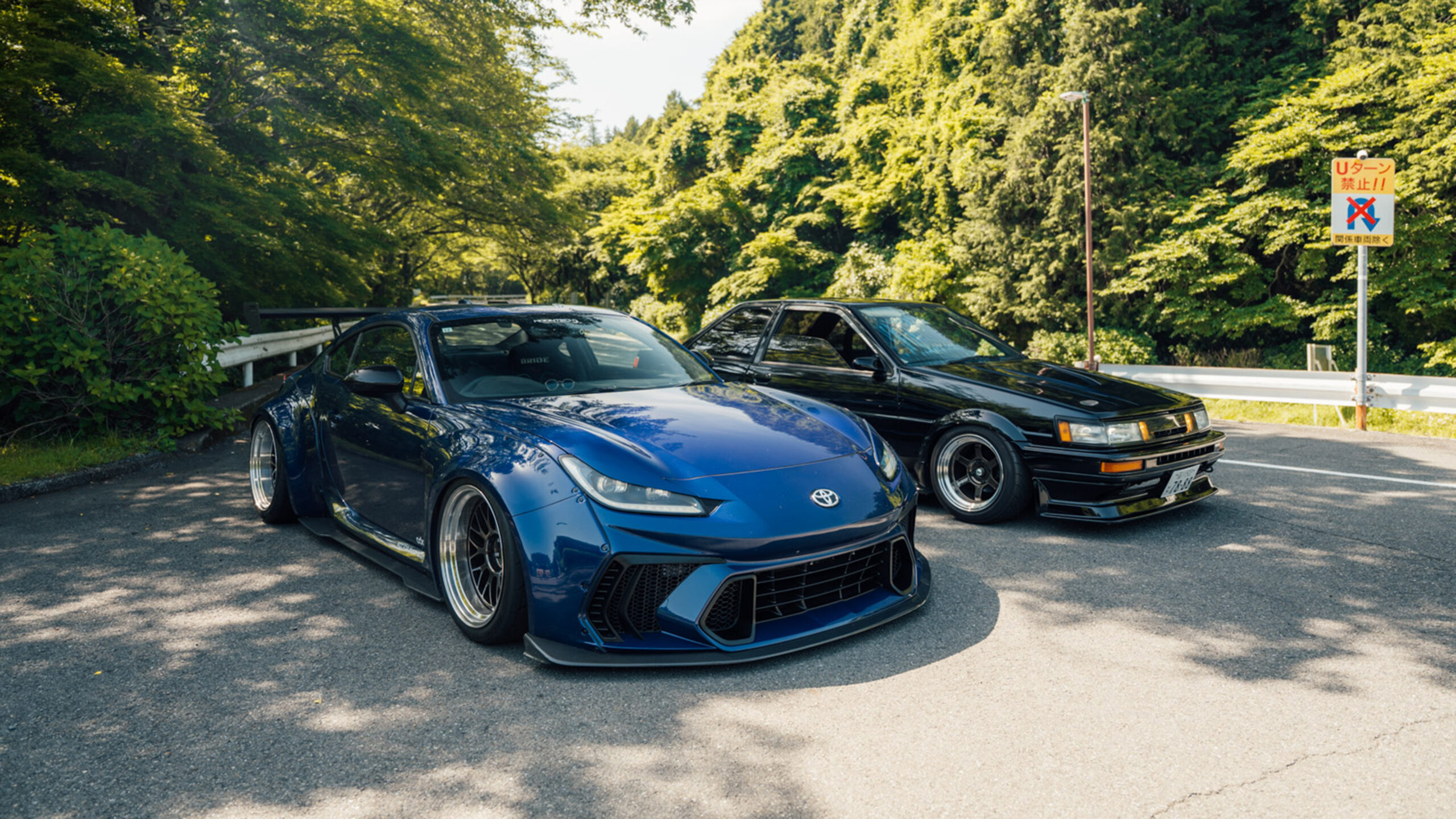
AE86 and GR86 in Hakone: two generations of hachiroku
No joke: Toyota’s AE86 and GR86 are separated by nearly four decades, but they speak the same language. Lightweight coupe, rear-wheel drive, manual-friendly spirit, and that very Toyota way of making a car feel honest rather than flashy. The AE86, sold in the 1980s as the Corolla Levin and Sprinter Trueno, became the cult hero. The GR86, launched in 2021 as the second generation of the modern 86 line, is the current torchbearer.
What most people don’t know: “hachiroku” simply means 8-6 in Japanese, a nickname that stuck because the AE86 was the chassis code. Japanese learners will hear this kind of shorthand all the time, especially with cars, trains, and tech. It’s a tiny language lesson, but it opens the door to a whole subculture. Hachiroku is now more than a model code. It’s a feeling. See what I mean?
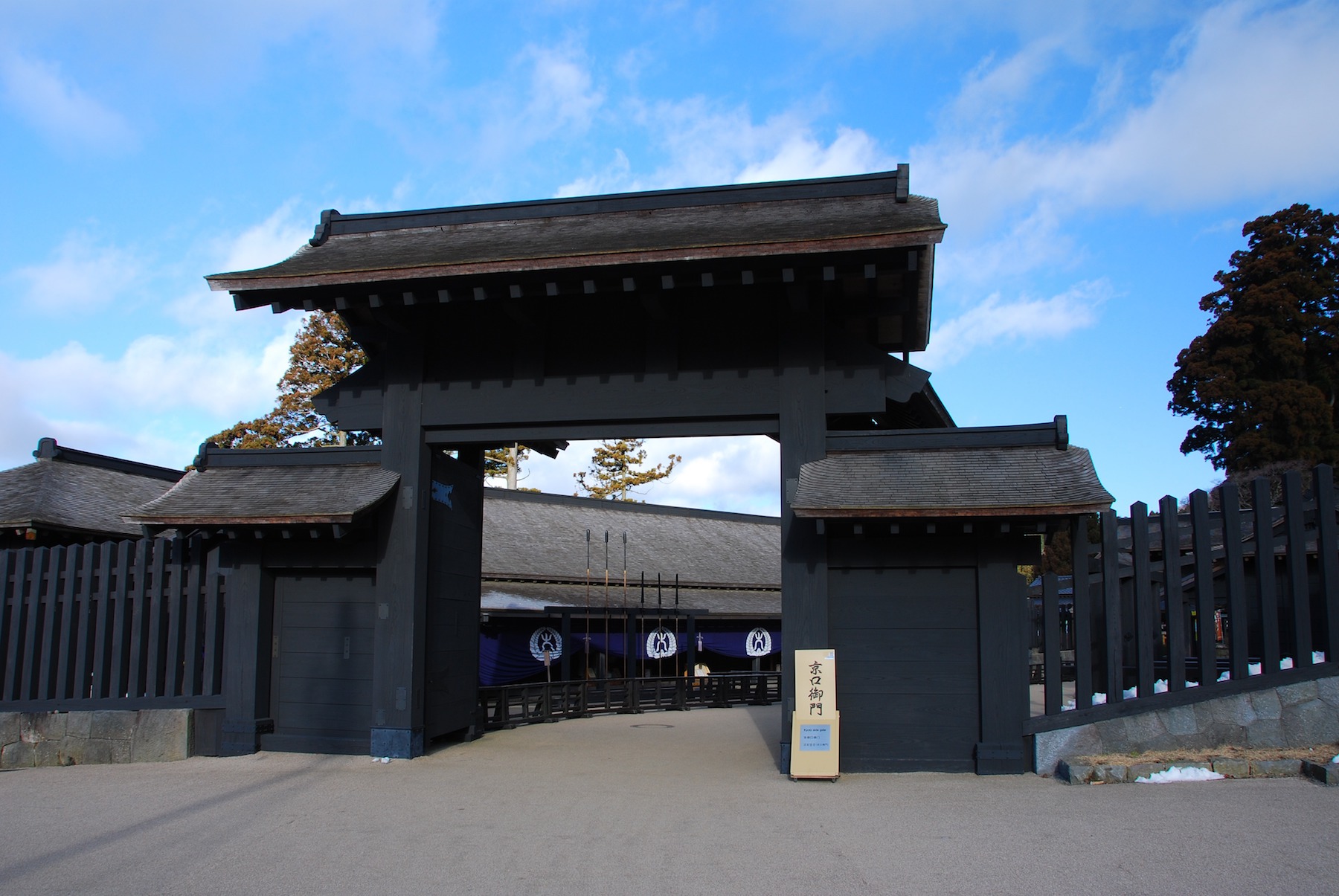
Hakone is the perfect stage for that feeling, because the roads there have long been tied to driving culture. Mountain passes, tight bends, elevation changes, and those early-morning misty views over Kanagawa’s quieter corners... it’s the sort of place where a small, balanced car makes a big impression. Toyota could have picked somewhere louder. They didn’t. Good choice.
That reminds me: when people talk about Japanese car culture, they often jump straight to horsepower numbers or internet arguments. But the emotional part is usually simpler. A good road, a car with character, and a name that carries history. That’s the whole recipe here. And Toyota knows it.
Why the AE86 became a legend
Here’s the thing: the AE86 was never the fastest car in its class. It had a modest 1.6-litre naturally aspirated 4A-GE engine, rear-wheel drive, and a chassis that rewarded driver input more than brute force. In the 1980s, that mattered. You could learn the car, feel the car, and improve with the car. That kind of feedback is why enthusiasts still chase old hachiroku cars today.
The AE86’s legend also grew because it was light, approachable, and easy to modify. It became a staple in amateur motorsport, drift culture, and Japanese street-car mythmaking. Then anime and manga culture helped turn it into something even bigger (yes, Initial D did a lot of heavy lifting here). Suddenly the humble Toyota coupe was not just a used car. It was a symbol.
Hand on heart: the AE86’s charm is partly mechanical and partly cultural. You can look at its specs and think, “that’s it?” But drive one, or even sit in one, and the simplicity starts to make sense. The car doesn’t isolate you from the road. It invites you in. That’s rare, and it’s why people still talk about it with such affection. Personally...
The Toyota spirit underneath the metal
My tip: if you’re learning Japanese, pay attention to how car fans talk about machines as if they have personality. Words like 思い入れ (omoiiri, attachment; sentimental feeling) (attachment), 可愛い (kawaii, cute; adorable) (cute in a broad, affectionate sense), and 昔 (mukashi, the old days; long ago) (the old days) pop up in surprising places. Enthusiasts aren’t just describing hardware, they’re describing memory. The AE86 lives in that space very comfortably.
GR86 in Hakone: the modern echo of a classic
Speaking of which... the GR86 is not a nostalgia piece pretending to be an old car. It’s the modern continuation of Toyota’s rear-wheel-drive coupe idea, co-developed with Subaru and powered by a 2.4-litre naturally aspirated boxer engine in its current form. That extra displacement over the earlier 2.0-litre cars gave the GR86 more low-end torque and a friendlier shape to the power delivery. On paper, it’s still modest. On a mountain road, modest can be brilliant.



The best part: the GR86 keeps the same basic philosophy as the AE86, but it fits modern expectations. Better safety tech, stiffer structure, more precise body control, and a cabin that feels like a real 2020s car. Yet Toyota still tuned it for balance first. That matters in Hakone, where quick transitions and mid-corner confidence can tell you more than a spec sheet ever will.
Take the Hakone Edition, for instance. Toyota has used the name on special GR86 trims, and the connection is not random. The area’s green scenery, mountain atmosphere, and driving heritage make it feel like more than a badge. It becomes a location-based story, the sort that Japanese brands love when they want to root a model in place and memory. Very Japan, really.
What I especially like: the GR86 does not try to erase the AE86. It acknowledges the old car’s place in the family and then does its own job. That’s a healthier kind of heritage than cheap retro styling. You get continuity without cosplay. Simply brilliant.
Hakone, heritage, and why this pairing works
Trust me on this one: locations matter in car culture. Hakone is not just a scenic backdrop, it’s a proving ground and a shorthand for driver-focused Japan. You have winding roads, famous viewpoints, and an atmosphere that makes a compact sports coupe feel exactly right. Put an AE86 there, and you get memory. Put a GR86 there, and you get the present tense. Put them together, and you get the whole line of inheritance.
That’s why the AE86 vs GR86 comparison is more than internet nostalgia. It’s a neat way to see how Toyota has carried a basic idea across generations. The original hachiroku was born in an era of lighter cars and simpler engineering. The modern GR86 has to live with stricter safety rules, emissions demands, and different customer expectations. And yet the core promise remains: rear-wheel-drive fun, driver involvement, and a size that makes sense on Japanese roads.
For Japan fans, this kind of story is gold because it blends language, place, and engineering. You learn a term like hachiroku, you see where the culture lives in Hakone, and you get to understand why people still care about a car from the 1980s when a newer one is sitting right beside it. That is heritage with actual fuel in the tank. My verdict:
If you ever get the chance to drive either car on a proper mountain road, take it. If you only get to read about them for now, that’s fine too. Japan has a habit of preserving feeling inside machines, and Toyota’s 86 story is one of the clearest examples. You’ll eventually find your Japan.
Frequently Asked Questions
What is the AE86?
The AE86 is a classic 1980s Toyota Corolla coupe known for its rear-wheel drive layout, light weight, and lasting motorsport and drift culture.
What makes the GR86 related to the AE86?
The GR86 carries the same rear-wheel-drive sports coupe spirit in a modern form, with updated safety, chassis tuning, and a 2.4-litre engine.
Why is Hakone important in this story?
Hakone is tied to Japanese driving culture because of its mountain roads, scenery, and long-standing reputation as a place where driver-focused cars feel at home.