Matsuri Touge Night in Japan: why this clip hits so hard
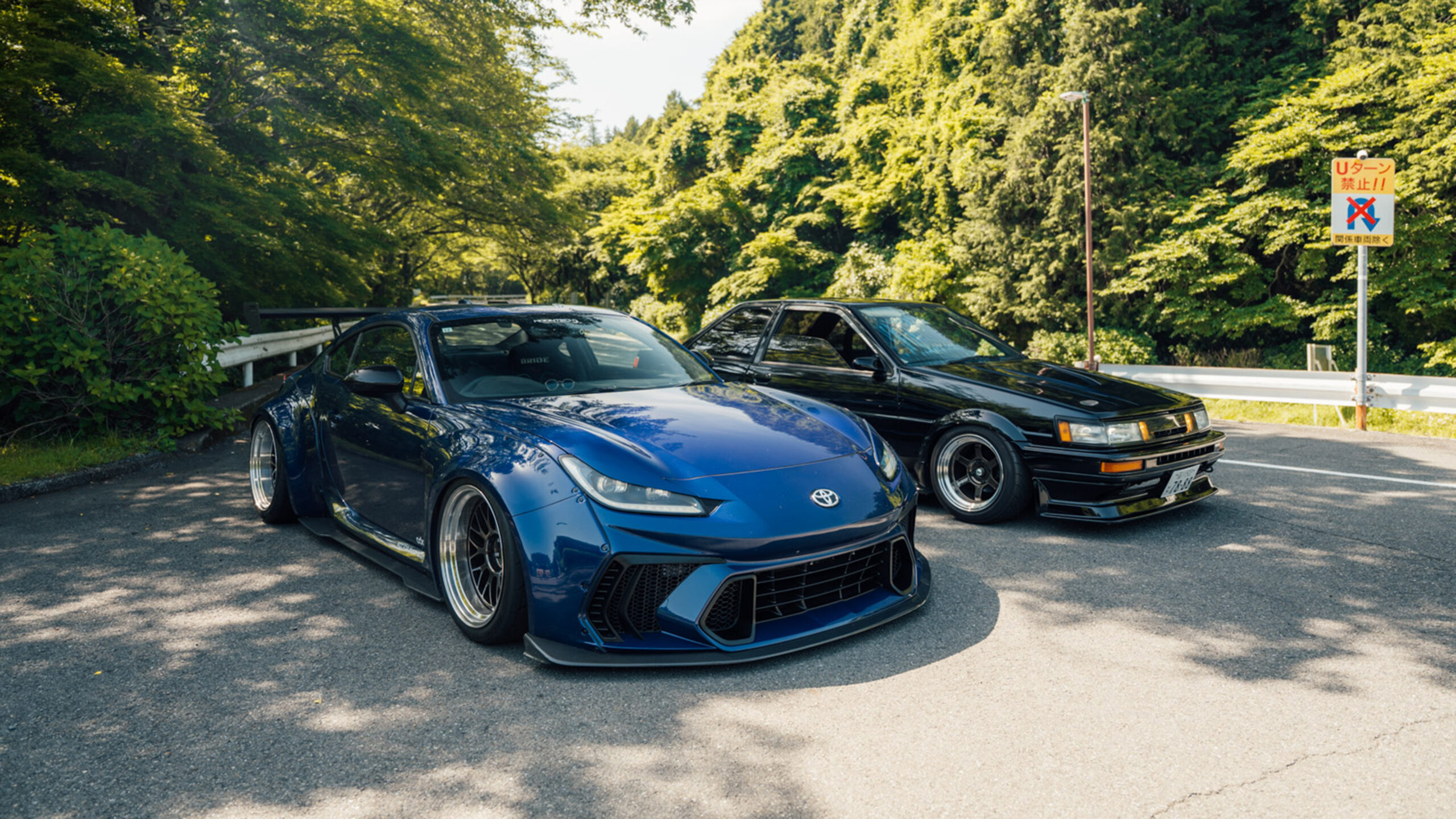
Guess what? A short event clip can tell you a lot about Japanese car culture if you know what to watch for. This one brings together a JZX110, the 東 (Higashi, east) death runs, and a 祭り (Matsuri, festival)-style meet vibe, so you get both the machine side and the social side in one go.
For Japan fans, that matters. A matsuri is normally a festival, but car people use the word for a packed, energetic gathering, and that mood shows up here in a very real way. You can feel the night air, the tight 峠 (touge, mountain pass) course, and the sense that everyone there understands the same language, even when they're not talking.
JZX110 on the touge course
Take the JZX110, for instance. It’s the Toyota Mark II chassis from the X110 generation, built in the early 2000s, and it became a favourite in Japanese drift circles because it’s got the right balance of size, turbo potential, and rear-wheel-drive attitude. It isn't a flashy supercar story, it's a proper street-and-track sedan story, and that's why people connect with it.
What I especially like is how the JZX110 always looks a little understated before it starts moving. Then the rear end wakes up, the turbo noise sharpens, and the whole car feels much smaller and more aggressive than the body style suggests. Sounds weird, but it's true. From my experience, that contrast is a huge part of the charm.
Why the JZX110 keeps showing up
The JZX110 sits in that sweet spot between affordable used Japanese iron and serious tuning platform. Many cars in this family ran 1JZ-powered setups, and that engine name still means a lot to fans because it ties directly to the golden era of Japanese turbo sedans. If you are learning Japanese car vocabulary, this is a good one to remember: touge means mountain pass, and you will hear it all the time in drifting content.
Before I forget: the car scene in Japan loves chassis codes. JZX110, JZX100, AE86, S13, R32, people use them like shorthand, and once you get used to that rhythm, watching clips like this becomes much easier. You stop hearing random letters and numbers, and start hearing a shared enthusiast code.
Higashi death runs and the local route feeling
And it gets better: the Higashi death runs angle gives the clip its edge. Higashi means east, and in drifting and touge culture, route names often become part of the legend, especially when the road is narrow, technical, and known only to locals and regulars. You can almost picture the guardrails, the blind corners, and the tiny moments where a driver has to commit or lift.
Unlike what we're used to in polished motorsport broadcasts, these runs feel raw. There is less about perfect camera angles and more about being there, hearing the tyres bite, and watching the car transfer weight through every corner. That local route vibe is a big reason Japan car clips stay addictive for fans outside Japan too. See what I mean?
My tip: if you are following Japanese drifting content, pay attention to how routes are described. Words like touge, 走り (hashiri, driving; run), and matsuri come up again and again, and they tell you whether the clip is about hill runs, spirited driving, or a full community event. That context makes the footage much richer.
Gearbox drama and fixing misfiring issues
I still remember exactly how clips like this usually turn into mini garage stories. One minute the car is sliding cleanly, the next there’s gearbox drama, or the engine starts misfiring, and the whole event becomes as much about problem-solving as performance. That is part of the realism, and honestly, it makes the community feel more human.
For example, when people report fixing misfiring issues, that usually means they’re chasing the basics first, like spark plugs, coils, fuel delivery, or wiring faults. On a turbo Toyota like the JZX110, a slight ignition problem can completely change how the car pulls out of a corner, especially under load. Pro tip: if you are learning Japanese from car videos, words like misfire, coil, and tune often appear in forum-style captions, even when the spoken language is informal.
That reminds me: the best Japanese car content is rarely just about showing a perfect lap. It’s about the process, the late-night wrenching, the quick roadside checks, and the shared moment when someone says the car is finally sorted. For Japan enthusiasts, that community-side detail is where the magic lives.
Matsuri atmosphere, community, and why fans keep watching
Imagine a narrow alley in Tokyo. Now replace the city noise with engine pop, tyre scrub, and a group of friends gathered under streetlights after a run. That is the atmosphere these clips chase, and it explains why a simple event reel can feel bigger than the sum of its parts.
Insider tip: if you are learning Japanese, listen for the social language around these events. People will talk about 先輩 (senpai, senior member; mentor) and 後輩 (kohai, junior member; underclassman) dynamics, setup advice, and who helped with what part in the garage. Even in a short clip, the community vibe tells you a lot about Japanese car culture, where respect, shared knowledge, and mutual troubleshooting matter as much as speed.
What stands out here is that the clip isn’t selling a fantasy. It shows a real night at a real touge course, with a real JZX110, real route talk, and real mechanical headaches. That mix is exactly why matsuri-style car content keeps pulling in fans from both the drifting side and the Japan-learning side. Wait, there's more.
If you want more Japan coverage, check out more Japan news on jpnerd.com.
Frequently Asked Questions
What does this kind of night event usually involve?
It usually means a local gathering with cars, runs on a mountain road, and a social atmosphere built around shared enthusiasm.
Why do fans care so much about the JZX110?
Because it is a strong rear-wheel-drive Toyota sedan with a big tuning following and a clear link to Japan's drift scene.
Why is fixing engine trouble part of the story?
Because real car culture is not just about driving, it is also about repairing, testing, and improving the car between runs.