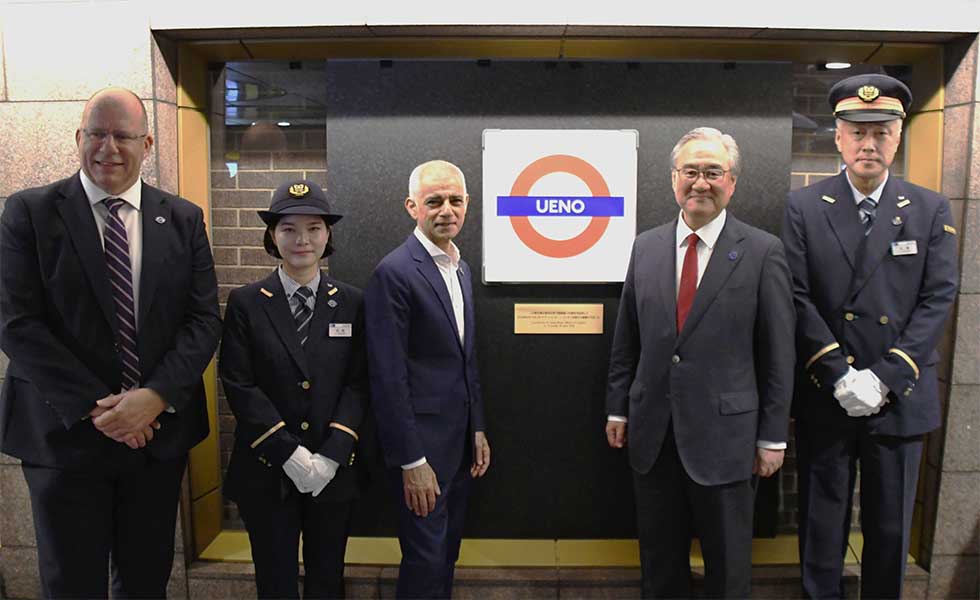
And that’s the interesting bit, because this isn’t just about taste. It’s about culture, tourism, and a very real exchange between London and Tokyo that keeps finding new ways to show up in daily life.
Picture this: you’re walking through central London, and the city feels a little more Tokyo than usual. There’s a pop-up serving 餅 (mochi, rice cake), a crowd lining up for 抹茶 (matcha, green tea powder), and somewhere nearby, people are talking about a 相撲 (sumo, sumo wrestling) event as if it were the hottest ticket in town. That’s not a fantasy, it’s part of the current Japan wave in London.
To be fair, London has always been good at absorbing outside influences. But the Japan trend has a special kind of momentum right now, and it’s reached a point where local government is paying attention. The mayor of London has become a symbolic part of that story, because city leaders know that cultural buzz can turn into visitor traffic, business links, and even long-term partnerships.
For Japanese learners, this is also a neat reminder that culture isn’t just a set of words in a textbook. Words like sumo, sushi, matcha, and mochi travel well because they carry real images, smells, and routines. If you know them in romaji, you’ve already got a head start, and you’ll spot them instantly on menus, event flyers, and shop signs.
Why London’s Japan boom has reached politics
Guess what? Cultural trends become serious pretty quickly when they affect tourism, investment, and city branding. London wants to stay visible as an open, international city, and Japan is one of the clearest examples of a trend that brings both soft power and hard numbers.
The role of the London mayor matters here because city hall is always looking for partnerships that feel current. When Tokyo-linked cultural projects, business exchanges, or event collaborations pick up pace, they don’t stay in the background for long. They become part of how London presents itself to the world.
No exaggeration: this is exactly the kind of thing urban politicians love. A successful culture wave makes the city look lively, globally connected, and business-friendly all at once. My tip: if you follow city politics, keep an eye on entertainment and food trends too, because that’s often where the real story starts.
Sumo, sushi, matcha and mochi in everyday London
Fun fact: Japan in London is not just one thing, it’s a bundle of different signals. You’ve got sumo exhibitions drawing curious crowds, sushi restaurants that keep getting more specialised, and matcha drinks that have moved far beyond a niche crowd. Mochi, too, has become one of those foods people spot on social media and suddenly want to try.
What I especially like is that these trends aren’t competing with each other, they’re building a larger picture. A person might discover matcha at a café, then look up a sumo event, then end up booking a Japan trip. That’s cultural transfer in real time, and it’s happening on ordinary streets, not in some official lecture hall.
The language angle for learners
While we’re at it: this is a great moment to notice how Japanese words enter English-language spaces without losing their identity. Sushi is already familiar, but matcha and mochi are now common enough that even casual visitors recognise them. If you’re learning Japanese, that kind of visibility helps your memory, because you connect the word to a taste or experience, not just a flashcard.
Pro tip: when you see a Japanese term in London, say it out loud once, then write it down later. That small habit helps your pronunciation and your recall, and it makes each outing feel like a tiny lesson. Not bad, right? My verdict: food is still one of the easiest doors into Japanese language and culture.
Tokyo partnerships and what they mean for London
Oh, almost forgot: the story isn’t only about restaurants and events. There’s also a serious layer of partnerships with Tokyo, and that’s where the city-politics angle gets real. These links can cover everything from cultural exchange and education to business and innovation, and they give the Japan boom a more durable shape.
For example, a city like London benefits when it can connect with Tokyo through official or semi-official projects, because both sides gain visibility. London gets access to a market and a cultural network that people already trust, while Tokyo gets another global stage. Simple as that, and very effective.
From my experience, these partnerships work best when they feel human, not just bureaucratic. A festival, a food event, a creative collaboration, or a school exchange can do more than a dry announcement ever could. That’s brilliant. And if you’re a Japan fan, it means the things you already enjoy can quietly shape a city’s direction.
Frequently Asked Questions
Why is London talking about Japan so much now?
Because Japanese food, events, and cultural exchanges are drawing attention, and city leaders see the value in that momentum.
What Japanese words should learners notice first?
Start with simple, visible words like sushi, matcha, mochi, and sumo. They are easy to hear, easy to spot, and useful in daily life.
Are Tokyo partnerships really important for London?
Yes. They support tourism, business, education, and cultural exchange, which makes the connection much bigger than food trends alone.