If you like Japan, car culture, and a bit of game-side grinding, this one’s got a very specific charm. It feels like a digital nod to 峠 (touge, mountain pass) driving, only with rewind buttons and a lot less risk.
![Dragon Ball Z: Kakarot [Master Edition]](https://s.pacn.ws/1/p/1eh/dragon-ball-z-kakarot-master-edition-908785.1.jpg?v=t8ja8t&width=400)
![Startup Company [Console Edition] (Limited Edition)](https://s.pacn.ws/1/p/157/startup-company-console-edition-limited-edition-741799.16.jpg?v=ry4mm8&width=400)
![Startup Company [Console Edition]](https://s.pacn.ws/1/p/157/startup-company-console-edition-741779.10.jpg?v=ry4ngq&width=400)
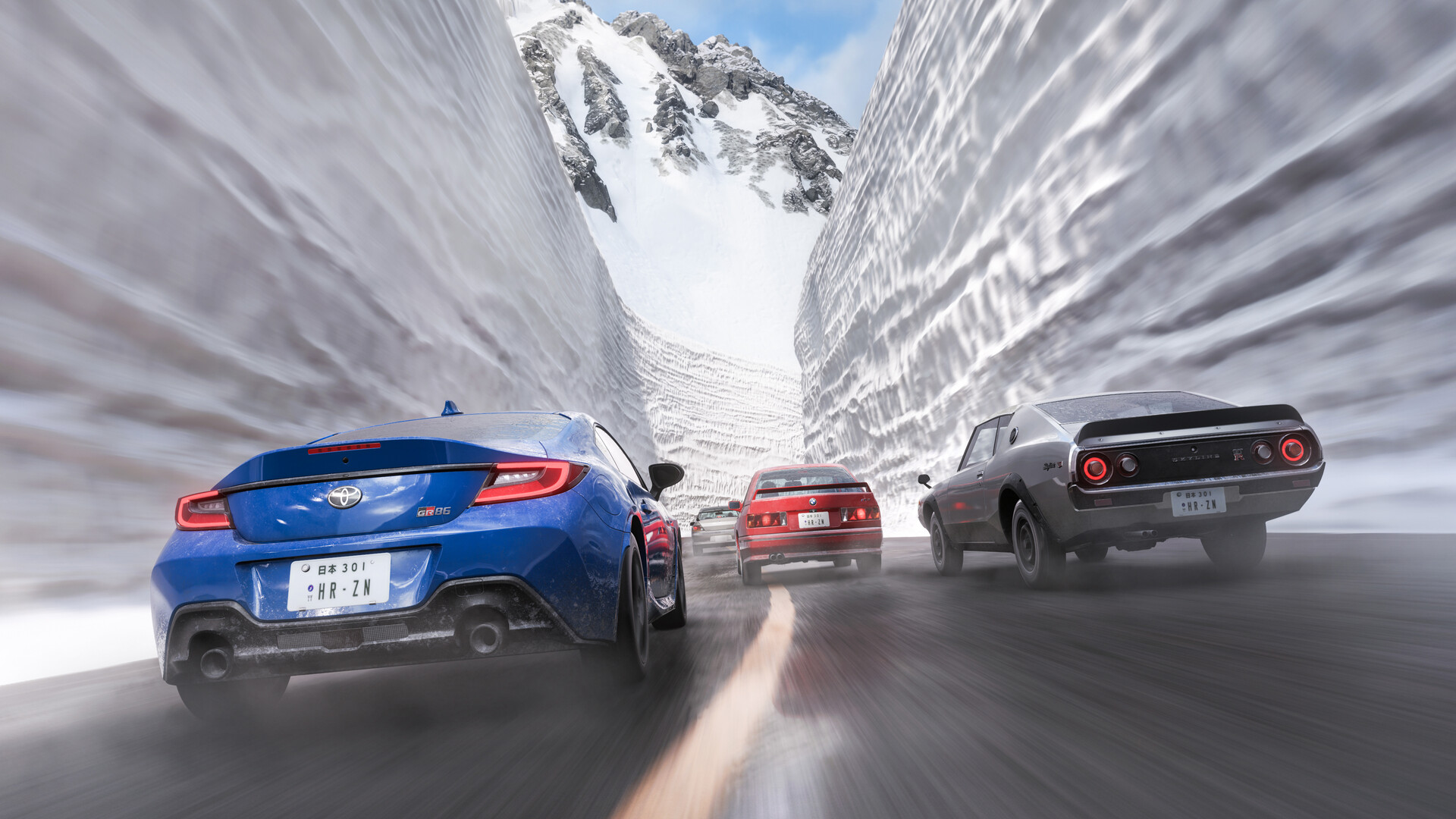
No joke: Hakone Nanamagari is exactly the sort of spot that makes Forza fans sit up straight. The name itself sounds like a real road corner in Japan, and that matters, because a lot of the fun here comes from the sense of place as much as the score chasing. In the latest Forza Horizon conversation, players have been hammering the Drift Zone with rear-wheel drive builds, all trying to crack the top 1 per cent.
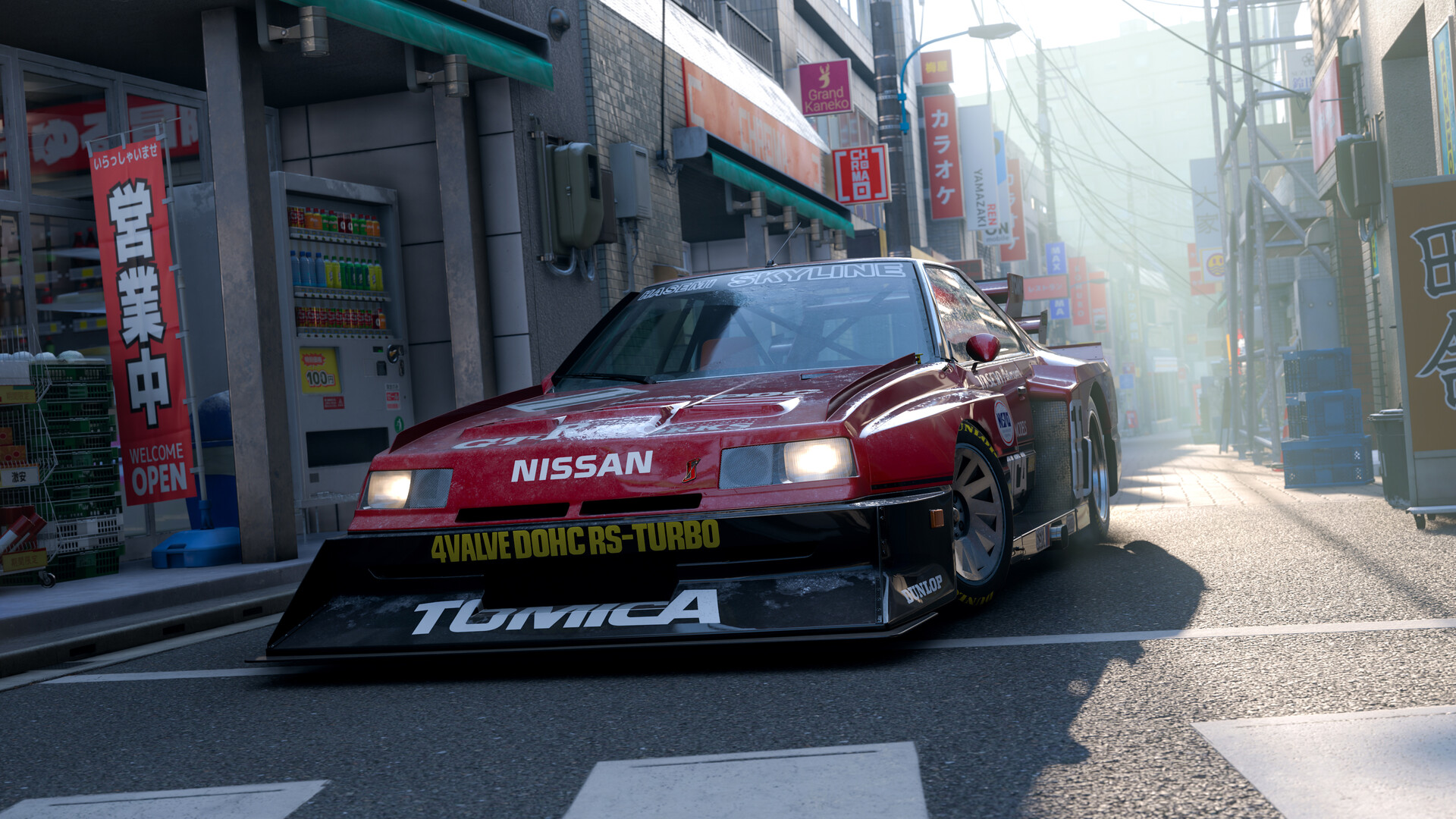
That race to the top isn’t just about raw power. It’s about angle, control, and keeping the car calm when the game wants to toss you into the scenery. For Japan fans, it also scratches a very specific itch, the same one that turns up in old touge videos, Initial D talk, and late-night car meets near mountain roads. Personally, I love it when a game captures that mood without turning it into a parody.
Quick detour: if you’re learning Japanese, this is a nice moment to pick up a few words that fit the scene. Touge means mountain pass, drift is often written as ドリフト (dorifuto) in casual speech, and 匠 (takumi, master craftsman), while famous from car culture, also suggests craft and skill. Those words are easy to remember because they’re attached to a strong image, a narrow road, a tuned car, and a driver trying not to blink.
Hakone Nanamagari Drift Zone in Forza Horizon
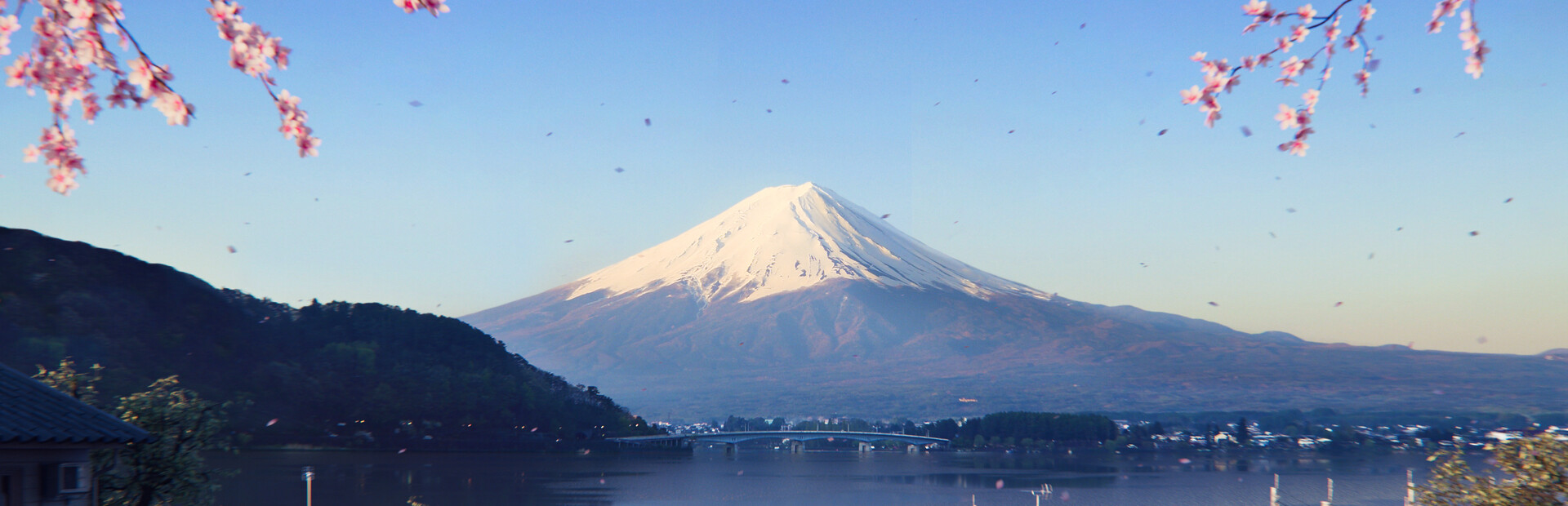
Guess what? The Hakone name is doing a lot of work here. Hakone is one of Japan’s most famous resort areas, known for hot springs, views of Mount Fuji, and winding roads that have long fed the imagination of drivers and travellers alike. Nanamagari literally suggests seven bends, which is exactly the sort of road name that sounds built for a drift challenge.
In Forza Horizon, that kind of location design is clever because it gives the event a Japanese identity without needing a lecture. You see the curves, you understand the rhythm, and you immediately know this won’t be a flat-out speed test. It’s a precision game, with points awarded for maintaining drift angle, speed, and combo chains. That’s where the Hakone Nanamagari Drift Zone feels so natural.
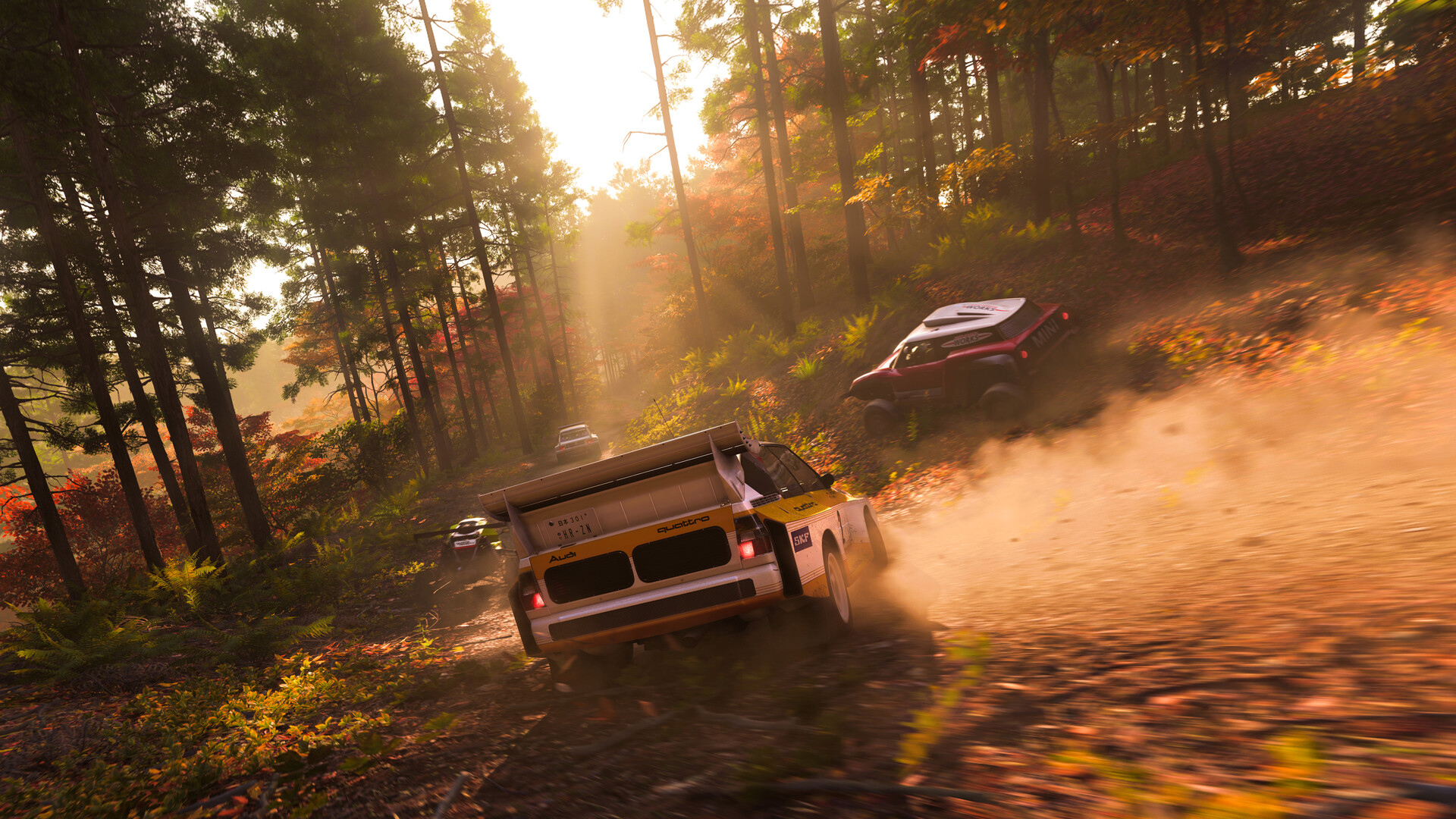
Speaking of which... the community discussion around this zone has been intense because the leaderboard pressure is real. A run that looks good on video can still miss the threshold for the top 1 per cent by a surprisingly small margin. That’s why people keep replaying the same corner set, tweaking steering response, tyre choice, and differential settings until the score finally lands.
From my experience, this is where Forza gets its hooks in. You think you’re just driving around a pretty Japanese-themed road, then suddenly you’re studying entry speed like it’s a midterm exam. Not bad, right?
RWD Run to the Top 1 Percent
But let’s stick with the rear-wheel drive angle for now. RWD is the classic choice for drifting because it lets the rear tyres do the pushing and slipping, while the front tyres keep the nose pointed where you want it. In a Drift Zone, that balance matters more than brute force. Too much power and you spin. Too little and you won’t keep the drift alive long enough to stack points.
Hand on heart: a clean RWD run usually feels better than a messy all-wheel drive blast, even if the AWD car is easier to control. The reward comes from rhythm. You enter early, hold the slide, feather the throttle, and avoid over-correcting when the road tightens. On a narrow course like Hakone Nanamagari, that rhythm’s everything.
A simple RWD setup idea
My tip: start with a balanced setup rather than an aggressive monster build. A lighter car with good torque can be easier to manage than an overpowered drift missile. Think moderate power, drift tyres or sport tyres depending on the car, and a differential tuned for strong rear lock without making the car feel glued in place.
If you want a practical setup mindset, aim for stable entry speed, a suspension that keeps weight transfer predictable, and gearing that lets you stay in the power band through each bend. In many cases, a manual transmission helps, because you can hold third gear or drop to second without the car hunting around for the wrong ratio. The difference between a good run and a top 1 per cent run often comes down to tiny choices like that.
Fun fact: leaderboard chasing in Drift Zones is also a mental game. You stop thinking about the whole course and start thinking corner by corner, almost like reading a sentence in Japanese instead of trying to translate the whole paragraph at once. That mindset’s useful in language learning too. Break it down, keep the flow, and don’t panic when the second curve looks worse than the first. Personally...
Why the Japan connection works so well
Know that feeling when a game location makes you want to book a flight? Hakone has that effect, even in digital form. Japan’s mountain roads have become part of global car culture because they mix scenery, tension, and technique in one neat package. Forza Horizon taps into that by turning a place-inspired road into a score-chasing playground.
What I especially like: this is one of those moments where Japan fandom and Japanese learning overlap naturally. You can talk about Hakone, touge, 車 (kuruma, car), and dorifuto without forcing vocabulary into a lesson. The words sit inside a real cultural context, and that’s usually how they stick. If you’ve ever watched the original Reddit thread, you’ll know the appeal isn’t just the score, but the shared excitement around nailing the run.
That brings us to the bigger picture. Forza Horizon 6, or at least the ongoing community conversation around future Japan-inspired content, has made this style of road feel even more relevant. Whether you’re looking at Hakone as a dream stage for a future release or as part of current discussion, the draw is the same: Japanese roads, careful driving, and a sense that every corner has personality. Simply brilliant.
Before I forget: if you’re studying Japanese, try making a tiny vocab list from this topic. Hakone, touge, dorifuto, kuruma, and takumi are all easy starter words tied to something visual and fun. That kind of memory hook works much better than random flashcards, at least for me. Personally...
If you want more Japan culture and game-related updates, see more Japan news on jpnerd.com.
In pictures


Frequently Asked Questions
What is Hakone Nanamagari in Forza?
It is a Drift Zone inspired by a Japanese mountain-road setting, built around a winding sequence of corners.
Why do players use rear-wheel drive for it?
Rear-wheel drive gives players more direct control over drift angle and point-building, which makes it ideal for leaderboard runs.
Is this useful for Japanese learners?
Yes, because it connects vocabulary like touge and dorifuto to a real cultural and gaming context.