

If you love Japan and the way research meets rugged landscape, this station is a brilliant example. Classic Japan, isn't it?
Mount Fuji Research Station is one of those places that makes you look at Japan differently. It isn't just a mountain hut with a good view; it's a serious scientific outpost at the summit of the country's highest peak, where every reading comes from an extreme environment that most people only experience for a few hours on a summer climb.
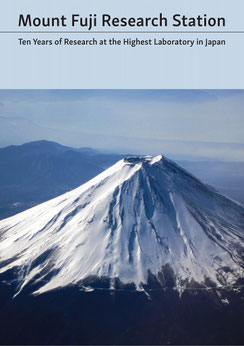
The station has now supported 10 years of research work, and that matters. At 3,776 metres, the summit of Fuji-san gives scientists a rare chance to observe the atmosphere, clouds, and mountain conditions almost from the top of Japan itself. No wonder, since the mountain is both a national symbol and an active natural laboratory.
Mount Fuji Research Station: Japan's highest laboratory
The biggest draw here is simple: the station is Japan's highest laboratory. While we're at it, that altitude isn't just a bragging point; it changes everything about the data. Temperature shifts quickly, wind can surge without warning, and the air pressure is low enough to affect equipment as well as people.
The station is commonly associated with the work of the NPO Fuji 3776, which has helped document research and publication activity around the summit area. The name itself is a nice reminder of how exact Japanese mountain culture can be, down to the metre. If you're learning Japanese, this is the kind of detail that sticks, because Fuji-san is often spoken of with care and respect, almost like a person.
Why 3,776 metres changes the science
At this height, even simple measurements become interesting. Sensors for temperature, humidity, wind speed, ultraviolet exposure, and air pressure need to survive freezing conditions, snow, and strong sunlight reflected from the volcanic rock. For example, summit conditions can swing from clear skies to dense cloud in a short time, which is great for atmosphere studies and terrible for comfort.
Researchers also watch the seasonal snow cover, because Fuji's summit isn't just a rock peak. It is a place where winter weather can linger, and that helps scientists compare changes in the upper mountain climate from year to year. My tip: if you ever study Japanese environmental vocabulary, words like 気温 (kion, air temperature), 湿度 (shitsudo, humidity), and 風景 (fukei, scenery; landscape) are worth learning because they show up in real field reports all the time. Personally...
Ten years of mountain research on Mount Fuji
Ten years is a meaningful stretch in science, especially on a mountain that can be shut down by weather for long periods. The value of a decade lies in patterns, not single snapshots. A bad day on Fuji tells you very little, but repeated measurements over years can show shifts in cloud formation, snowfall timing, and summit conditions.
This is where Japanese mountain research gets really practical. The data from Fuji-san can help with climate observation, volcanic monitoring, and even safety planning for climbers. On a related note, mountains in Japan are often treated with a mix of discipline and respect, so research here is never just academic; it's tied to real-world use.
What scientists actually measure
Think of the station as a place where the mountain is translated into numbers. Researchers can record air temperature every hour, compare daylight and night-time changes, and track moisture levels that affect frost and cloud formation. They may also monitor volcanic gases or ash-related conditions when needed, because Mount Fuji is dormant, not extinct.
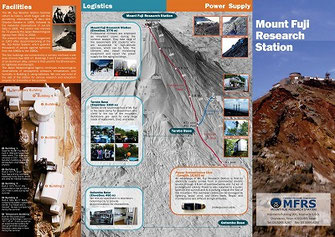
Some of the most valuable observations are the boring-looking ones. A daily log of wind direction, a snow depth reading, or a pressure chart might not sound dramatic, but over 10 years it becomes a record of how the summit environment behaves. Sounds good, right?
Extreme conditions at the summit of Fuji-san
Ever wondered why summit research is so difficult? The answer is the environment itself. At 3,776 metres, oxygen is thinner, UV exposure is stronger, and the weather can change faster than a mountain trail guide can warn you about it.
Trust me on this one: even summer at the top of Fuji-san can feel harsh. The summit is exposed, there is little shelter, and the volcanic terrain reflects heat and light in a way that surprises first-time climbers. For researchers, that means equipment has to be checked carefully, batteries drain faster, and any maintenance trip becomes a logistics exercise.
Japanese mountain culture and fieldwork
Japan has a long relationship with mountains, from 山伏 (yamabushi, mountain ascetic) traditions to modern meteorology. Fuji-san sits in the middle of that story. The research station feels like a modern extension of older Japanese mountain respect, where people don't treat the peak as a backdrop, but as a place with its own presence.
What I especially like is how this kind of science makes Japanese learning feel alive. Terms like 研究 (kenkyu, research), 施設 (shisetsu, facility), and 測定 (sokuutei, measurement) may seem dry in a textbook, yet on Mount Fuji they turn into real instruments, real weather, and real human effort. That connection makes the language easier to remember. From my experience...
Why Mount Fuji research matters for Japan fans and learners
For Japan fans, the station is a reminder that Mt. Fuji is more than a postcard scene. It is a living site for weather science, mountain safety, and climate observation, and the work there has now stretched across 10 years. That gives the mountain an extra layer of meaning, one that sits nicely beside the familiar image of 桜 (sakura, cherry blossom) at its base or snow on its peak.
For learners, the station is a useful cultural doorway. You can build vocabulary around it, follow Japanese reports, and connect words to actual places. Pro tip: when you read Japanese science or mountain articles, note how often writers use precise numbers, fixed locations, and seasonal language. That's a very Japanese rhythm, and it helps your reading skills grow fast. Highly recommended: keep an eye on mountain-related news if you want real-life Japanese practice.
The best part is that this kind of story shows Japan at full scale, from cultural symbol to working research site. A mountain that appears in ukiyo-e prints can also host sensors, logbooks, and decade-long observations. Classic Japan, isn't it?
Want more Japan-focused reading? more Japan news on jpnerd.com
Frequently Asked Questions
What is Mount Fuji Research Station?
It is a high-altitude research site on Mount Fuji used for scientific observation in extreme summit conditions.
Why is the station important?
It gives researchers long-term data from Japan's highest peak, which helps with climate, weather, and mountain studies.
Why does the altitude matter?
At 3,776 metres, the thin air, cold, wind, and strong sunlight all affect both the mountain and the equipment.


