
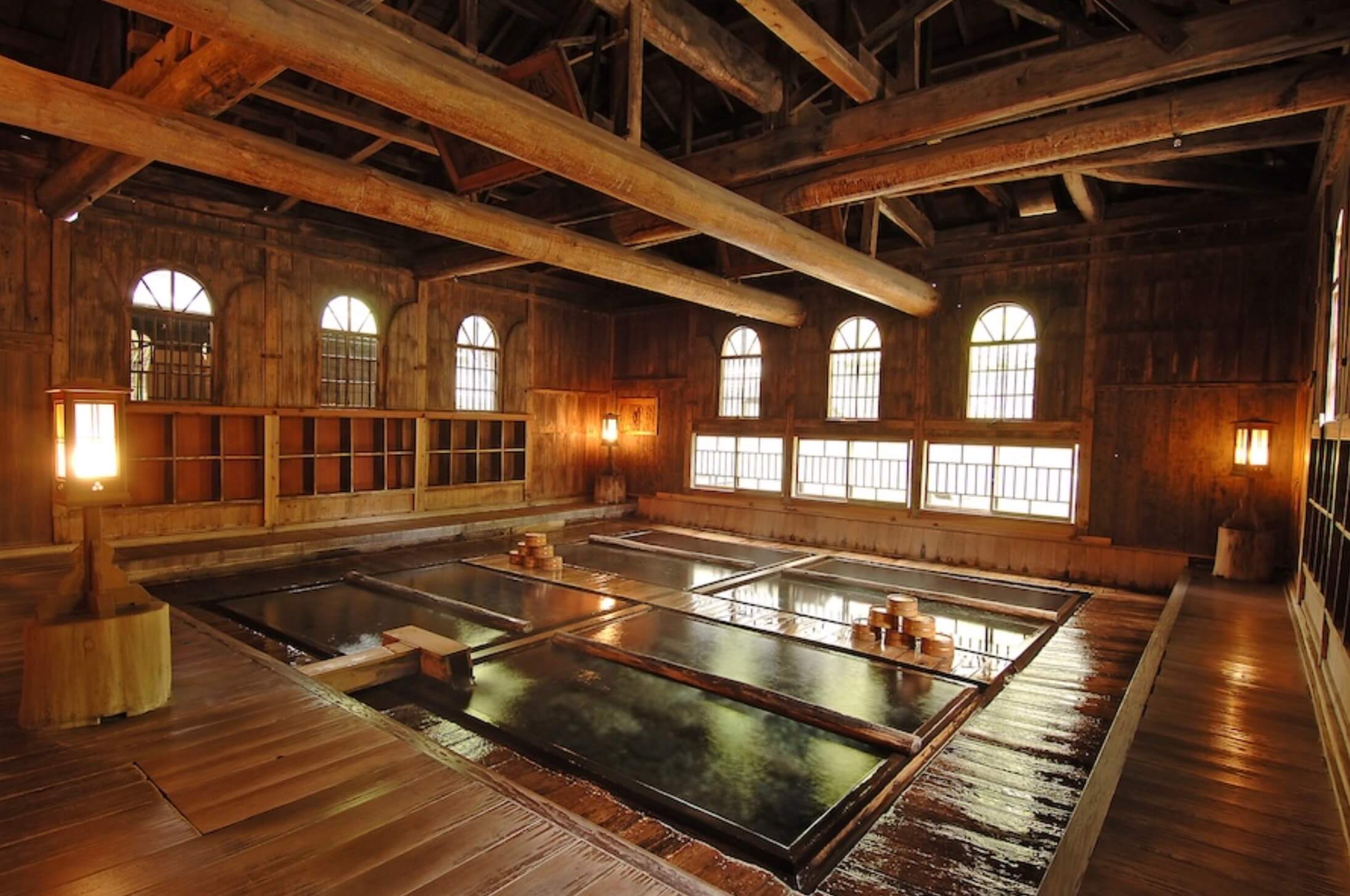
Basically, this isn't just about baths. It's about a way of life, local pride, and a region that wants the world to see onsen as living culture, not just a nice weekend treat.
Gunma Prefecture and the onsen culture conference
Ever wondered why some Japanese regions keep winning hearts with something as simple as hot water? Gunma Prefecture is making that argument with confidence. In 2024, the prefecture held an onsen culture conference to push the idea that onsen should be treated as cultural heritage, not only tourism infrastructure.
The timing makes sense. Gunma is packed with famous hot spring spots, from Kusatsu Onsen to Minakami, Ikaho, and Shima. Each one has its own atmosphere, its own water, and its own rituals, and that variety is exactly what the prefecture wants to protect. Pretty striking, isn't it?
What most people don't know is that Gunma isn't just borrowing fame from Tokyo travellers looking for a quick escape. It has long been a heavyweight in Japan's spa culture, with a hot spring tradition tied to local life, seasonal travel, ryokan hospitality, and even old-school bathhouse etiquette. See what I mean?
Why Gunma wants UNESCO intangible cultural heritage status
Trust me on this one: UNESCO intangible cultural heritage is a big deal. It covers traditions, skills, rituals, and living practices, the stuff that communities pass on rather than lock away in a museum.
Gunma's pitch is that onsen culture fits that idea perfectly. The water itself matters, of course, but so do the customs around it, such as washing before entering the bath, sharing quiet space with strangers, and enjoying the ryokan rhythm of 宿 (yado, inn; lodging), ご飯 (gohan, meal; rice), and yubata-kei scenery. Basically, it's not just a place to get clean.
Take Kusatsu Onsen, for instance. Its famous 湯畑 (yubatake), or hot-water field, is a symbol that instantly tells you this is a town built around thermal water. The community has also worked hard to present onsen as something deeper than leisure, something linked to health, local identity, and even public etiquette. Classic Japan, isn't it?
What UNESCO would recognise
Hand on heart: the target isn't the bathwater itself. UNESCO would be asked to recognise the cultural knowledge around onsen, including the customs of visiting, hosting, maintaining, and respecting these spaces. That means local practices, not just scenery.
For Japanese learners, this is a nice chance to connect words with real life. Onsen means hot spring, ryokan is a traditional inn, and おもてなし (omotenashi) refers to heartfelt hospitality. If you hear these words in context while reading about Gunma, they stick much faster than from a textbook. From my experience...
Gunma's hot spring landscape is stronger than people think
Before I forget: Gunma has range. Kusatsu Onsen is probably the best-known, with one of Japan's strongest acidic waters and a long reputation for helping tired bodies recover. Ikaho Onsen, meanwhile, is famous for its stone steps, old-town feel, and reddish water. Minakami brings mountain scenery and outdoor adventure into the mix, while Shima Onsen has a calmer, nostalgic mood.
That variety matters because UNESCO recognition works better when a tradition feels alive across a community, not frozen in one showcase site. Gunma can point to multiple towns, multiple styles of bathing culture, and multiple ways locals keep the tradition going. Insiders know this is where the story gets stronger.
Pro tip: if you're learning Japanese, pay attention to how travel writing about onsen often uses words like 旅 (tabi, journey; travel), yado, and 自然 (shizen, nature). They pop up constantly in regional promotion, and Gunma is full of that language because the landscape and the culture are tied together. You'll notice it once, then everywhere. See what I mean?
Why regional branding matters here
Unlike what we're used to in many countries, a Japanese prefecture can build a huge identity around a single cultural theme and make it feel authentic. Gunma is doing exactly that. It's saying, basically, that its hot springs aren't a side attraction, they're part of its cultural backbone.
That approach also helps smaller towns. A UNESCO push can bring attention to local inns, bathing customs, festival calendars, and craft businesses that depend on visitors who stay overnight instead of rushing through. My tip: if you ever travel in this area, don't just hop in and out. Stay one night, eat the local 懐石 (kaiseki, traditional multi-course meal), and watch how the town changes after sunset. From my experience...
What this means for Japan fans and language learners
What most people don't know is that stories like this are perfect for Japan learners because they mix language with lived culture. You can learn vocabulary, but you also get the social rules behind it. Why do people rinse before entering the bath? Why is silence respected? Why do ryokan staff greet guests so formally? That context makes the words easier to remember.
And there's a bigger point here too. Gunma's campaign shows how Japan keeps reinventing tradition without turning it into a museum piece. The goal isn't to preserve onsen culture by sealing it off. It's to keep it active, local, and meaningful, while asking the world to recognise that value. Oh, and almost forgot: that balance between pride and preservation is exactly what makes regional Japan so interesting.
Hand on heart: I hope this campaign gets momentum. UNESCO status wouldn't magically fix every challenge in rural tourism, but it would give Gunma a stronger voice, and maybe encourage more people to look beyond the standard Tokyo-Kyoto-Osaka route. Pretty striking, isn't it?
Before you go, if you enjoy Japan news with a language-learning angle, check out more Japan news on jpnerd.com.
Frequently Asked Questions
What is Gunma trying to achieve with its onsen campaign?
Gunma wants onsen culture to be recognised as UNESCO intangible cultural heritage.
Why is Gunma important in Japan's hot spring scene?
It has famous hot spring areas like Kusatsu, Ikaho, Minakami, and Shima, each with a strong local identity.
How can Japanese learners use this topic?
It is a great way to learn culture-linked words such as onsen, ryokan, and omotenashi in real context.


