
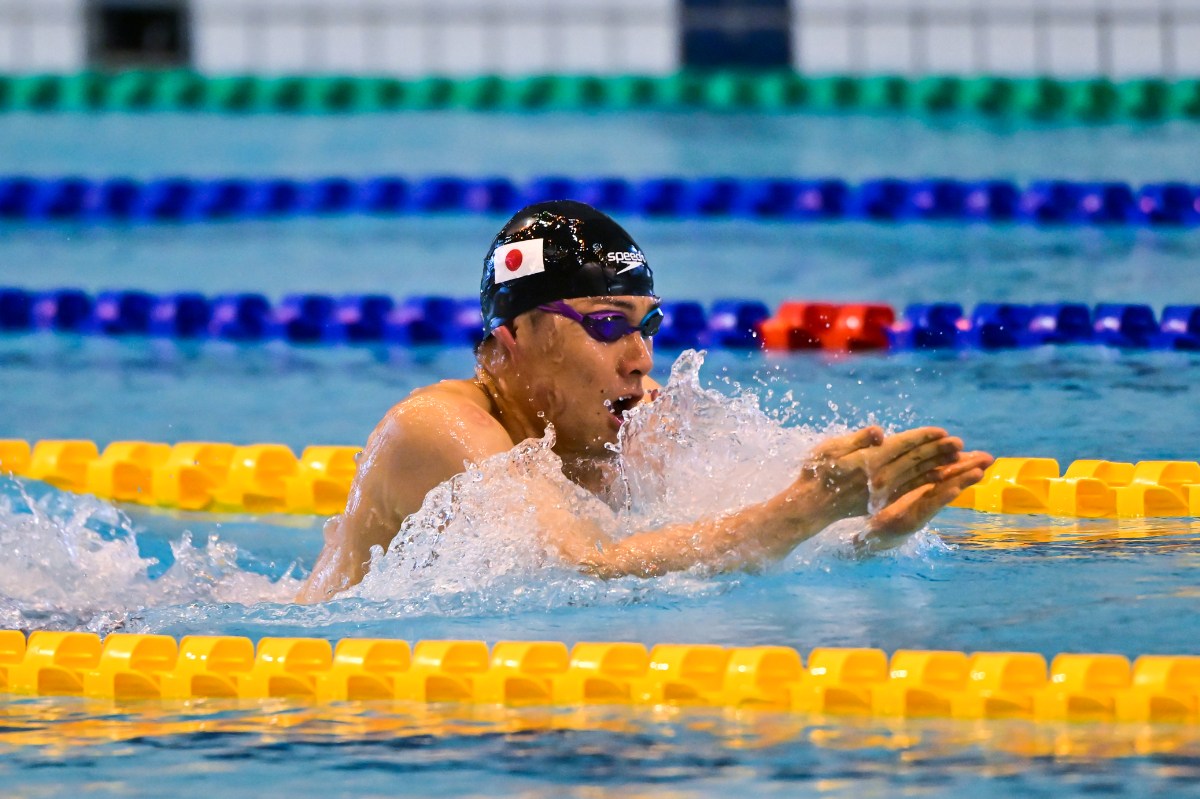
For Japan fans, this was also a lovely reminder that the country's sports cities aren't just Tokyo and Osaka; they can build their own spotlight too. Fuji-Shizuoka had the kind of weekend that sticks in your memory, and yes, it gave Japanese sport another strong headline.
Fuji-Shizuoka as the stage for a golden weekend
Guess what? Fuji-Shizuoka didn't just host the Para-Swimming World Series, it set the tone for the whole event. The meet ran over three competitive days, and the venue in Shizuoka Prefecture became the centre of attention for athletes, coaches, and fans who follow para sport closely.
What makes this stand out is the location itself. Fuji and Shizuoka carry a lot of weight in Japan, thanks to Mount Fuji, the Pacific coast, and that calm, efficient feel people often associate with the region. In a sporting sense, that atmosphere matters, because a good venue can change how fast an event feels, how smoothly the schedule runs, and how much energy the crowd brings. See what I mean?
Pro tip: if you're learning Japanese, keep an ear out for place names like Shizuoka, Fuji, and honcho-style venue announcements, because they pop up all the time in local event coverage. Knowing a few location terms makes Japanese sports news much easier to follow. From my experience...
22 gold medals, and the scoreboard kept moving
Here's the thing: 22 gold medals is a big haul for any international meet, even more so when it comes in just three days. That kind of spread shows how deep the field was, and how many classes and races were decided at a high level.
For example, para swimming isn't about one headline race and then silence. It moves fast, with multiple finals, classification categories, and athletes chasing personal bests one after another. By the time the final sessions rolled around, Fuji-Shizuoka had already built a reputation for being a place where winning times kept coming.
My tip: when you read sports news from Japan, look for the number patterns first, then the names. Japanese reporting often gives you the event, the venue, and the medal count right away. That makes it much easier to pick out what mattered most, especially if you're still building your vocabulary. Not bad, right?
Why the medal count matters
What most people don't know: in para swimming, medal totals also hint at depth in the programme. A venue that sees 22 golds awarded over three days usually means the event stayed packed from start to finish, with very little dead time. That keeps athletes sharp, and it gives supporters a real sense that the competition is moving at full speed.
On a related note, Japan has been building a stronger reputation for hosting parasport events well. Clean logistics, careful scheduling, and strong local support all matter here. It's not flashy, but it works, and athletes notice that. Sounds odd, but it's true.
One world record in three days, and plenty of momentum
Seriously though: the world record was the detail that pushed this event from good to memorable. A record at a World Series meet always adds pressure and excitement, and it gives the host city a big line in the results table. Fuji-Shizuoka got that headline moment too, which is exactly what a successful event wants.
I still remember exactly how Japanese sports coverage tends to frame this kind of story, with a strong sense of place. The city isn't just a backdrop; it becomes part of the identity of the meet. That matters for fans who care about Japan as a destination, because it links international sport with real geography, not just an arena name.
Before I forget: this is also where Japan's sporting culture feels especially appealing. Events are often tied to local pride, and local pride in Japan can be very visible, whether it's a 太鼓 (taiko, Japanese drum) drum welcome, a neat venue setup, or volunteers guiding guests with calm, practiced energy. It's a nice contrast to the intensity in the pool. From my experience...
Why Japan fans should pay attention to Fuji-Shizuoka
Know that feeling when a place suddenly becomes more than a dot on the map? That happened here. Fuji-Shizuoka now has a strong sporting association for para swimming fans, and that kind of association can last for years, especially when the numbers are this good.
For Japan learners, this story is useful for another reason. It gives you practical vocabulary in context: 競技 (kyogi) for competition, 会場 (kaijo) for venue, 金 (kin) medal for gold, and 世界記録 (sekai kiroku) for world record. You don't need to memorise a giant word list, you just need a real event to attach the words to. That's how the language starts sticking.
But let's stick with Fuji-Shizuoka for now. What I especially like is how cleanly the story combines sport and place, with no extra noise. Just three days, 22 gold medals, and one world record, all in a Japanese setting that feels memorable and easy to picture. See what I mean?
If jpnerd.com readers want more Japan sports and culture updates, here's a good place to keep going: more Japan news on jpnerd.com
Frequently Asked Questions
Where was the Para-Swimming World Series held?
It was held in Fuji-Shizuoka, in central Japan.
How many gold medals were awarded there?
The event produced 22 gold medals over three competition days.
Was a world record broken?
Yes, one world record was set during the three-day meet.


