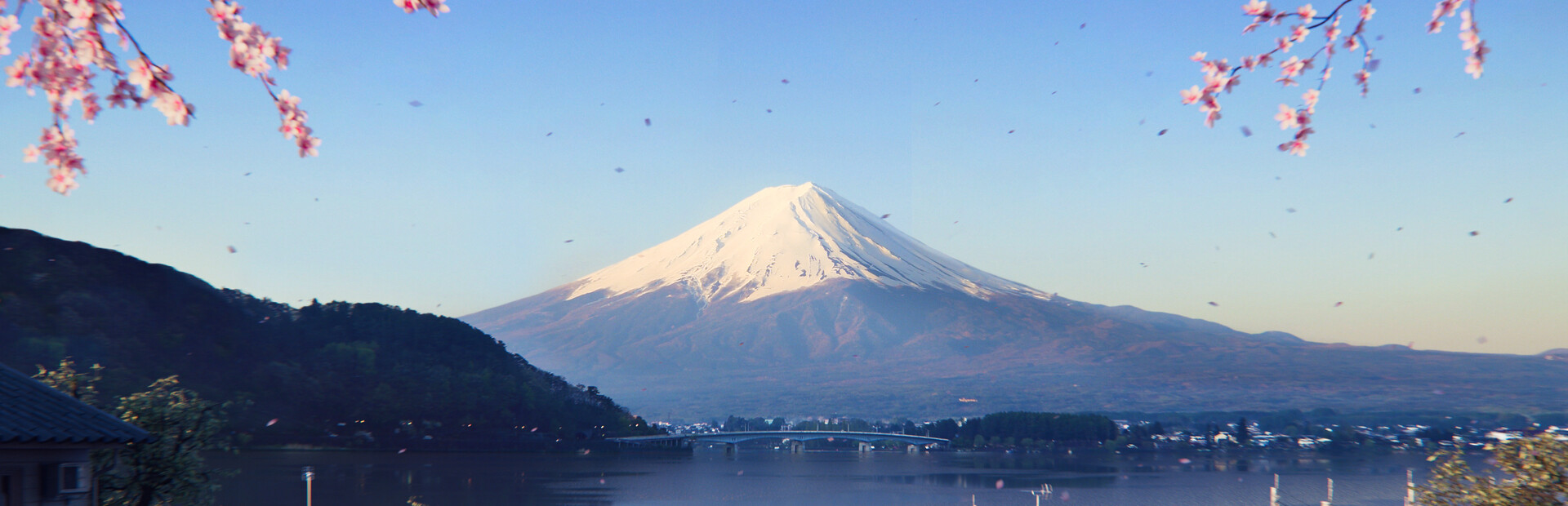
And for Japanese learners, this is great fun too, because these roads are packed with real place names, driving vocabulary, and the kind of road culture Japan does so well.



Forza Horizon 6 and the Japan road dream
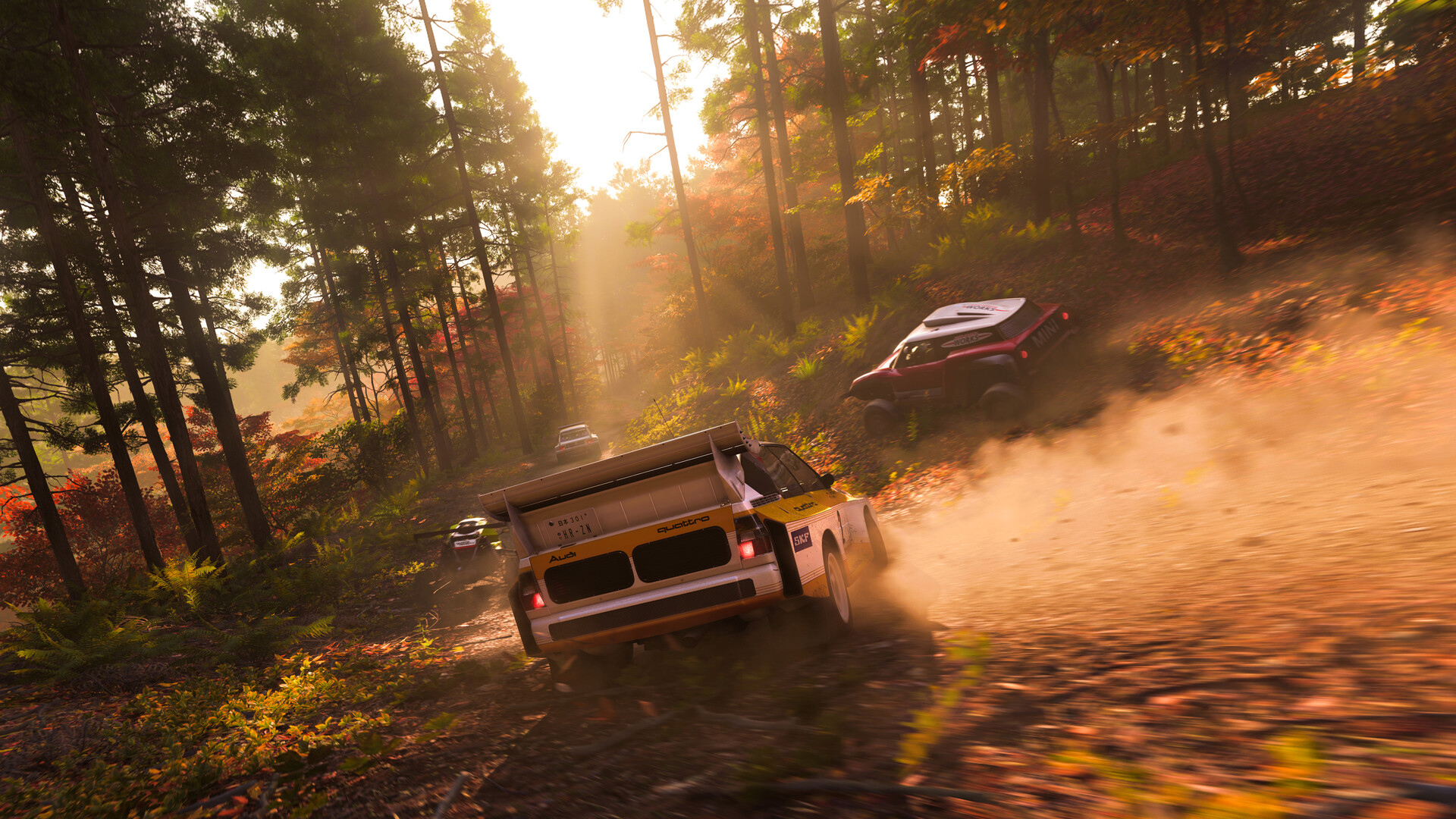
Picture this: a Horizon game set around Mount Fuji, mountain passes, toll roads, and tight downhill corners that car fans already know by name. That’s why the latest Japan talk feels so strong. The community keeps pointing to Hakone, and not just because it sounds cool, but because the area already has the exact road types Horizon loves.
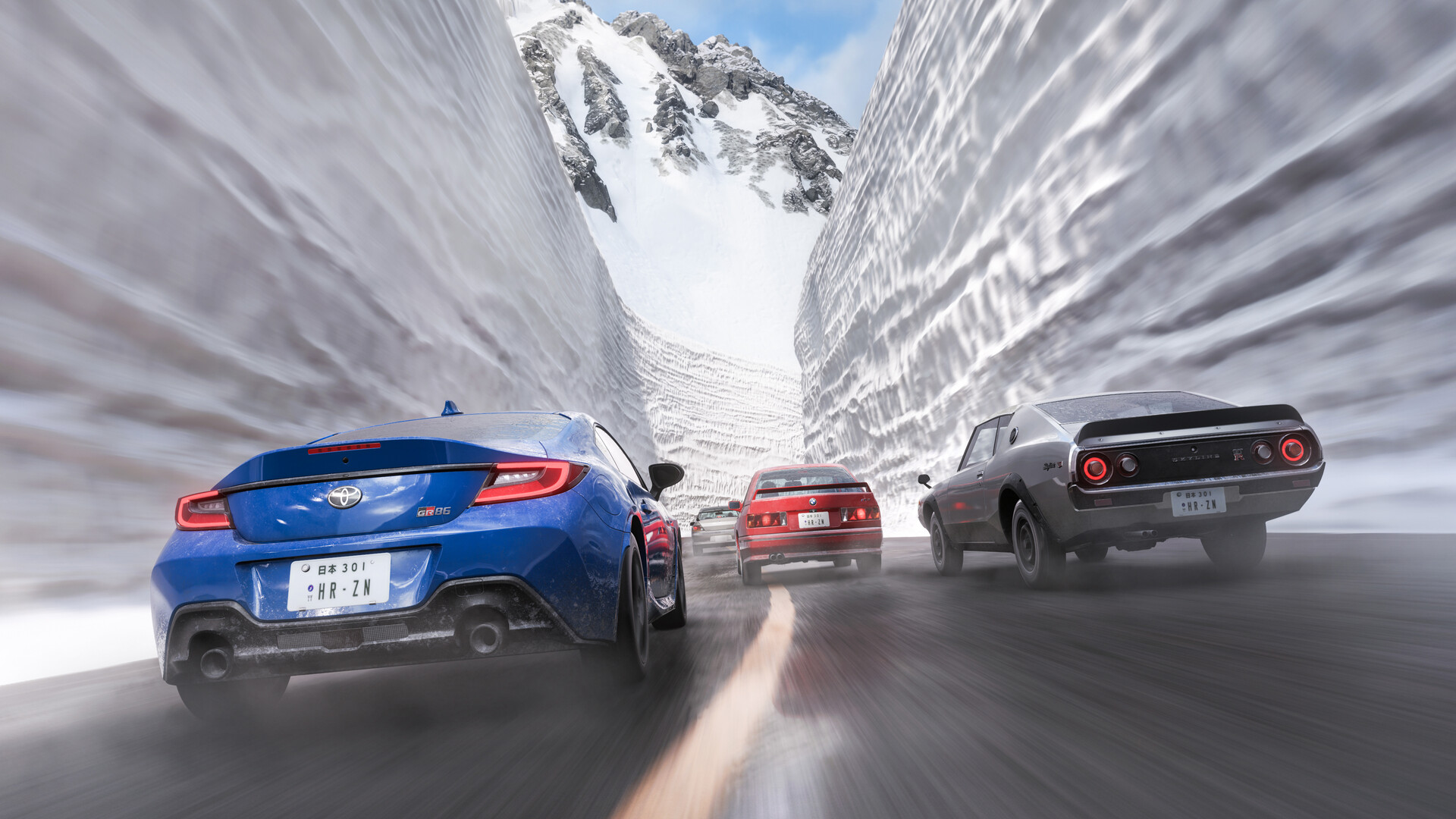
Hakone is a real driving playground in Kanagawa Prefecture, south of Tokyo. It has scenic views, steep climbs, famous onsen towns, and roads that switch from relaxed cruising to full-on technical driving in minutes. Not bad, right?
Hakone Shindo, the road that looks made for Horizon
Let me show you why Hakone 新道 (Shindo) gets so much attention. Shindo means a new road, and in this case it refers to a modern mountain route in the Hakone area that feels tailor-made for a racing game map. It’s smoother than the older local roads, but it still gives you elevation changes, wide bends, and dramatic scenery.
That matters, because Horizon maps need variety. You want roads where a player can open the throttle, then suddenly brake for a hairpin, then look left and see forest, then right and see a valley. Hakone Shindo has that kind of rhythm, and it would connect beautifully to a larger Japan setting. Highly recommended: if you’re a learner, look up shindo, because you’ll see it in other road names too.
Why it fits the game style
What I especially like is that Hakone Shindo feels believable without being too easy. It’s not a fantasy racetrack, it’s a real route used by real drivers, so a game version could keep the sense of place while still giving players something fun to master. See what I mean?
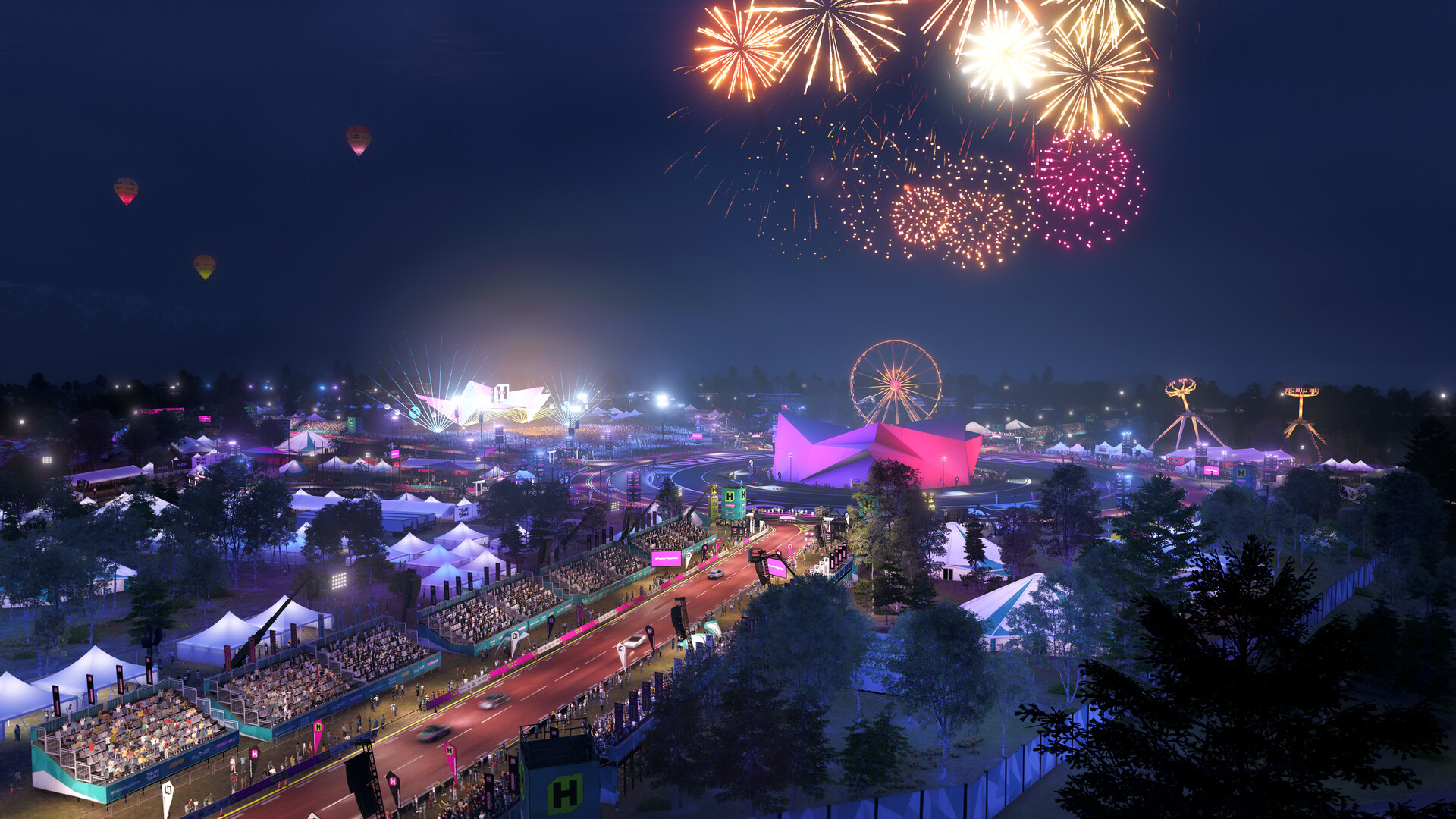
For Japan fans, that realism is a big part of the appeal. Horizon has always done location tourism in game form, and Hakone Shindo would let players "visit" a place that already sits right on the edge of Tokyo car culture, mountain tourism, and weekend road trips. Wait, there’s more.
Namamagari: the tight corner legend
Did you know that Namamagari is one of the most talked-about corner sections in Hakone driving circles? The name is linked to a bendy stretch where the road changes direction sharply, and that makes it exactly the sort of place that gets whispered about by 峠 (Touge, mountain pass) fans. Touge is the Japanese word for mountain pass driving, and yes, it still has serious weight in car culture.
Namamagari is the kind of place that gives a Japan map personality. A long highway is fine, but one memorable corner can become the bit players remember. In a Forza Horizon 6 Japan theory, this section would be gold, because it would reward braking discipline, corner entry, and clean exits. Sounds weird, but it’s true.
Japanese learning angle: road names and driving words
Take Namamagari for instance. Even before you know the exact route, the name itself teaches you how Japanese road language can feel very literal. 波 (Nami) can mean wave, ma can appear in place names in all kinds of ways, and 曲がり (magari, bend, turn) means a bend or turn. You don’t need to be an expert to enjoy that, but it does make road signs and route names much easier to remember.




And that’s one reason Japan car culture is so learner-friendly. You get useful vocabulary for free: toge, shindo, 高速 (kosoku) for expressway, and toll road words like turnpike-style naming in English discussions. That brings us to...
Hakone Turnpike and the expressway feel
Hand on heart: if there’s one road name that sounds almost too perfect for a racing game, it’s Hakone Turnpike. This private toll road is famous among drivers for its smooth surface, sweeping corners, and mountain views. It’s also one of those places that car fans instantly recognise from videos, meetups, and driving culture talk.
A great example: the Hakone Turnpike has long been associated with spirited driving, but it’s still a real toll road with real traffic rules. That balance matters. Japan doesn’t just give you pretty roads, it gives you roads with character, management, and local identity. For a game studio, that means there’s a ready-made template for a road network that feels authentic instead of generic.
What a game map could borrow
If Playground Games used Hakone Turnpike as a reference, I’d expect a route that mixes fast uphill sections with wide corners and viewpoints over the surrounding hills. Not every road in a Japan-themed map should be a technical touge route. Some roads need to breathe. The Turnpike could be the place where players stretch a car's legs before dropping into tighter mountain sections.
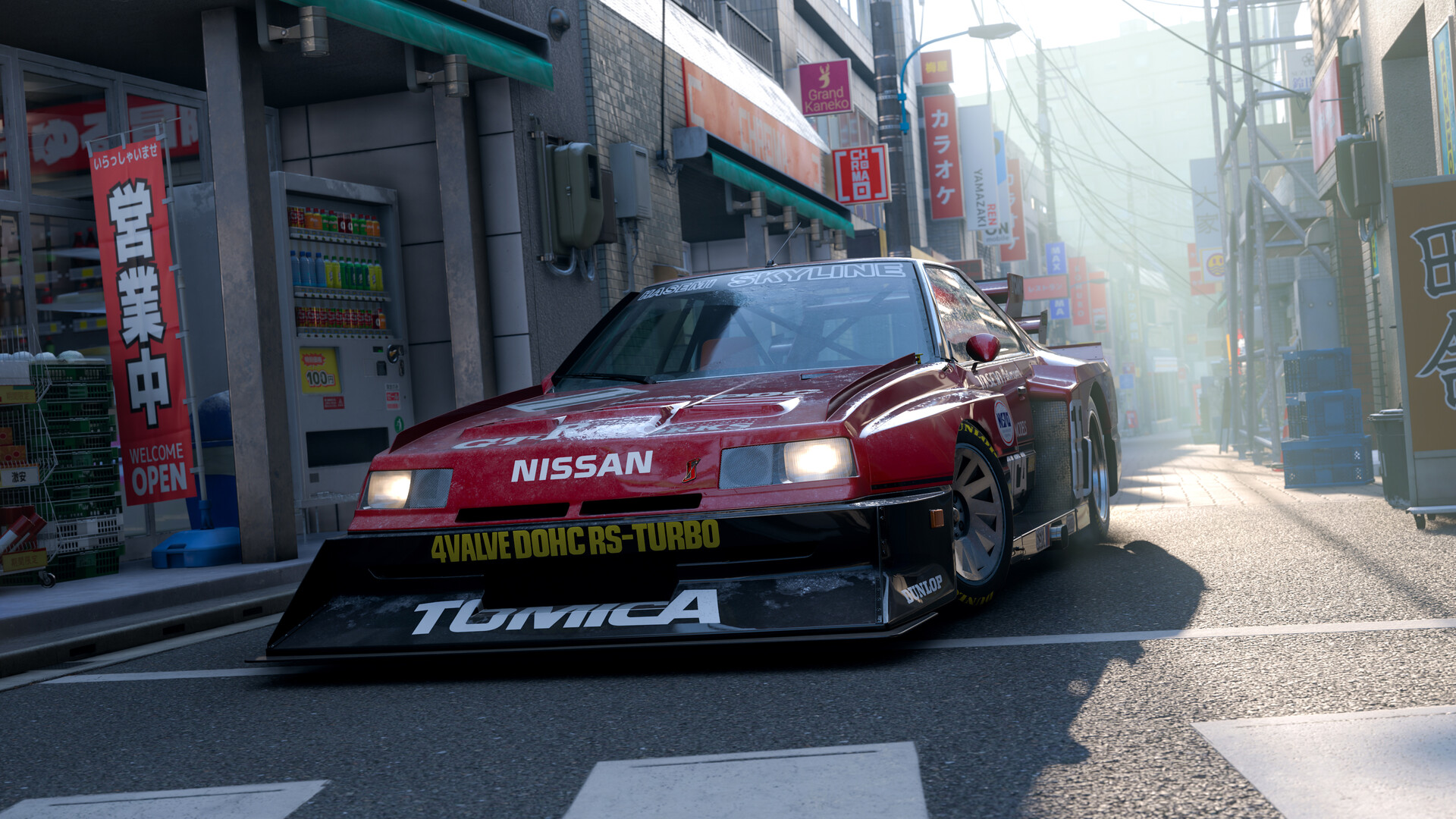
My tip: watch onboard driving videos from Hakone and compare them with game footage or fan concept maps. Once you start noticing road camber, barriers, and roadside signs, you’ll see why these places keep showing up in Japan racing conversations. But that’s not all.
Why these three roads matter for Japan fans
And it gets better: Hakone Shindo, Namamagari, and Hakone Turnpike are not just random names thrown into speculation. They point to a real Japan road culture that blends tourism, motorsport history, and local geography. That’s exactly why a Forza Horizon 6 Japan setting would hit so hard.
For Japanese learners, the bonus is huge. You’re not only looking at cool road names, you’re also picking up patterns in place naming, transport language, and the way Japanese roads are talked about online. That kind of context sticks. A word like turnpike may be borrowed English in some fan discussions, but the Japanese road network around Hakone gives it a very specific lived meaning.
Oh, almost forgot: Hakone itself is already a travel keyword worth knowing. It is famous for onsens, Lake Ashi, the ropeway, and those postcard-style mountain views that show up in countless travel guides. So even if the game rumours change, the real-world location remains a brilliant place to study, visit, or simply admire from afar. Wait, there’s more.
If you want more Japan culture and game-related reporting, check out more Japan news on jpnerd.com.
In pictures
Frequently Asked Questions
Are these real roads in Japan?
Yes, all three are based on real roads or real road sections connected to the Hakone area.
Why do car fans care so much about Hakone?
Because it combines mountain driving, scenic views, and road layouts that feel perfect for racing games.
Can Japanese learners get something useful from this topic?
Yes. You can pick up road-related vocabulary, place names, and cultural context from real driving locations.