Forza Horizon 6 and the rise of Hakone
Did you know that Forza Horizon 6 is expected to push the series further into Japanese scenery, with Hakone as one of the standout real-world inspirations? That matters because Forza has always worked best when it mixes fast cars with places you can almost smell through the screen, and Hakone fits that mood perfectly.
![Dragon Ball Z: Kakarot [Master Edition]](https://s.pacn.ws/1/p/1eh/dragon-ball-z-kakarot-master-edition-908785.1.jpg?v=t8ja8t&width=400)
![Startup Company [Console Edition] (Limited Edition)](https://s.pacn.ws/1/p/157/startup-company-console-edition-limited-edition-741799.16.jpg?v=ry4mm8&width=400)
![Startup Company [Console Edition]](https://s.pacn.ws/1/p/157/startup-company-console-edition-741779.10.jpg?v=ry4ngq&width=400)
Here’s the kicker: the game’s Minamino region is being talked about like a treasure-hunt zone, not just another pretty map area. That changes the way players approach it. You’re not only chasing checkpoints, you’re reading the landscape, looking for side roads, and spotting those tiny route details that make Japan driving feel so good. Classic Japan, isn’t it?
Minamino region: why this area stands out
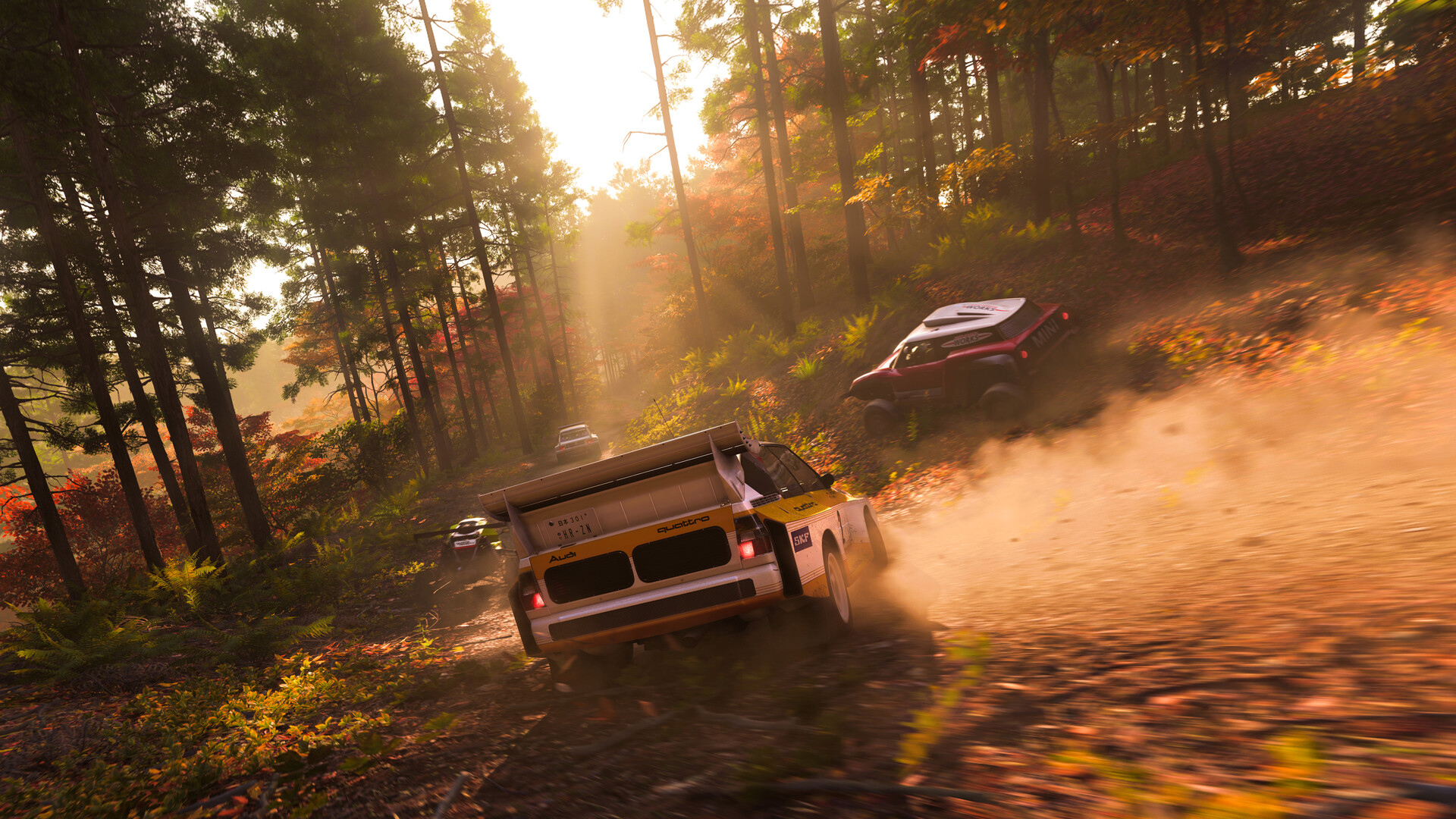
Trust me on this one: the Minamino region isn’t the sort of place you rush through if you want the full experience. In a game like Forza Horizon 6, areas with elevation changes, tight corners, and scenic roadside lines become the places where players remember every turn. That’s exactly why Hakone keeps popping up in discussions among fans.
Hand on heart, what I especially like about this angle is how it mirrors real travel in Japan. You leave a busy station area, head into the mountains, and suddenly the vibe shifts. One moment you’re in a convenient, modern transport hub, the next you’re on winding roads with forest views and onsen towns nearby. That sense of contrast is pure Japan.
What learners can pick up from the setting
Speaking of which, Japanese learners can get a lot out of this kind of game map. Words like 山 (yama) for mountain, 道 (michi) for road, and 峠 (touge) for mountain pass show up naturally when people talk about Hakone driving routes. If you’re learning Japanese, this is an easy way to connect game language with real geography.
My tip: when you read or watch route guides, keep an eye on place names in romaji and try to match them to what you see on the map. That makes it easier to remember names like Hakone, Minamino, and the surrounding travel spots. My verdict: games stick better when they’re tied to real places.
Hakone Manamagari Touge and the real Japan route
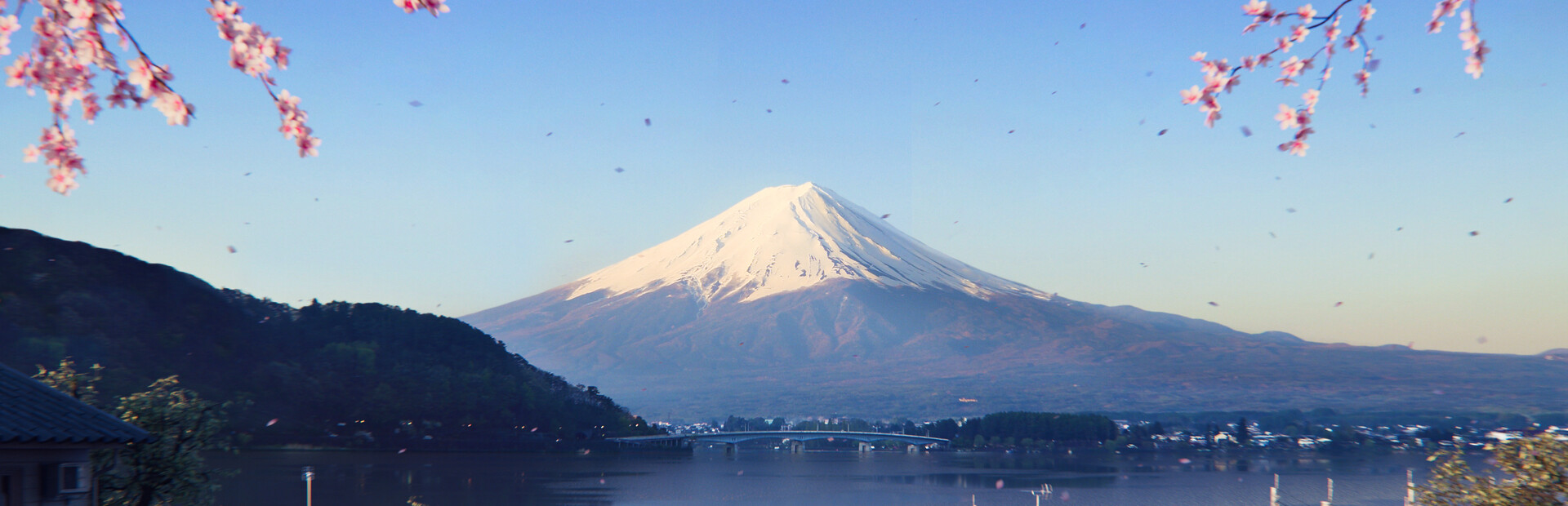
Guess what? The most exciting real-world tie-in here is Hakone Manamagari Touge, a mountain pass route that gives this whole topic its travel-guide edge. Hakone sits in Kanagawa Prefecture, west of Tokyo, and it’s a classic escape for city drivers, bus travellers, and ryokan guests alike. If you’ve ever taken the Odakyu line toward Hakone-Yumoto, you already know how quickly the scenery changes once you leave the capital behind.
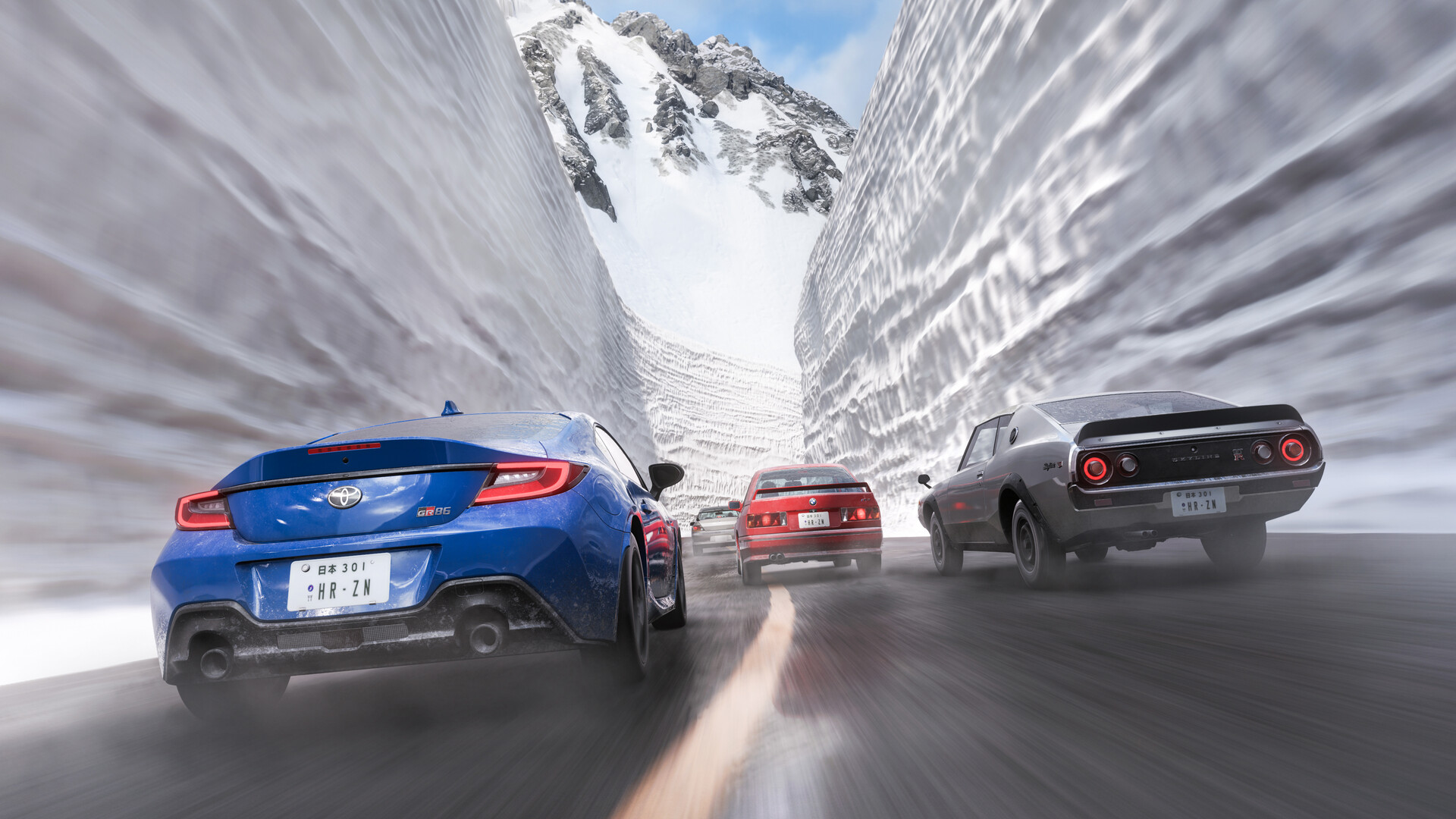
What makes Hakone Manamagari Touge so appealing is the shape of the drive. The area is famous for winding climbs, narrow bends, and dramatic views, the kind that make a car feel like part of the scenery instead of just transport. In Japan, this is exactly the kind of route that earns a cult following, especially among people who love touge roads, mountain air, and roadside stops with vending machines and warm drinks.
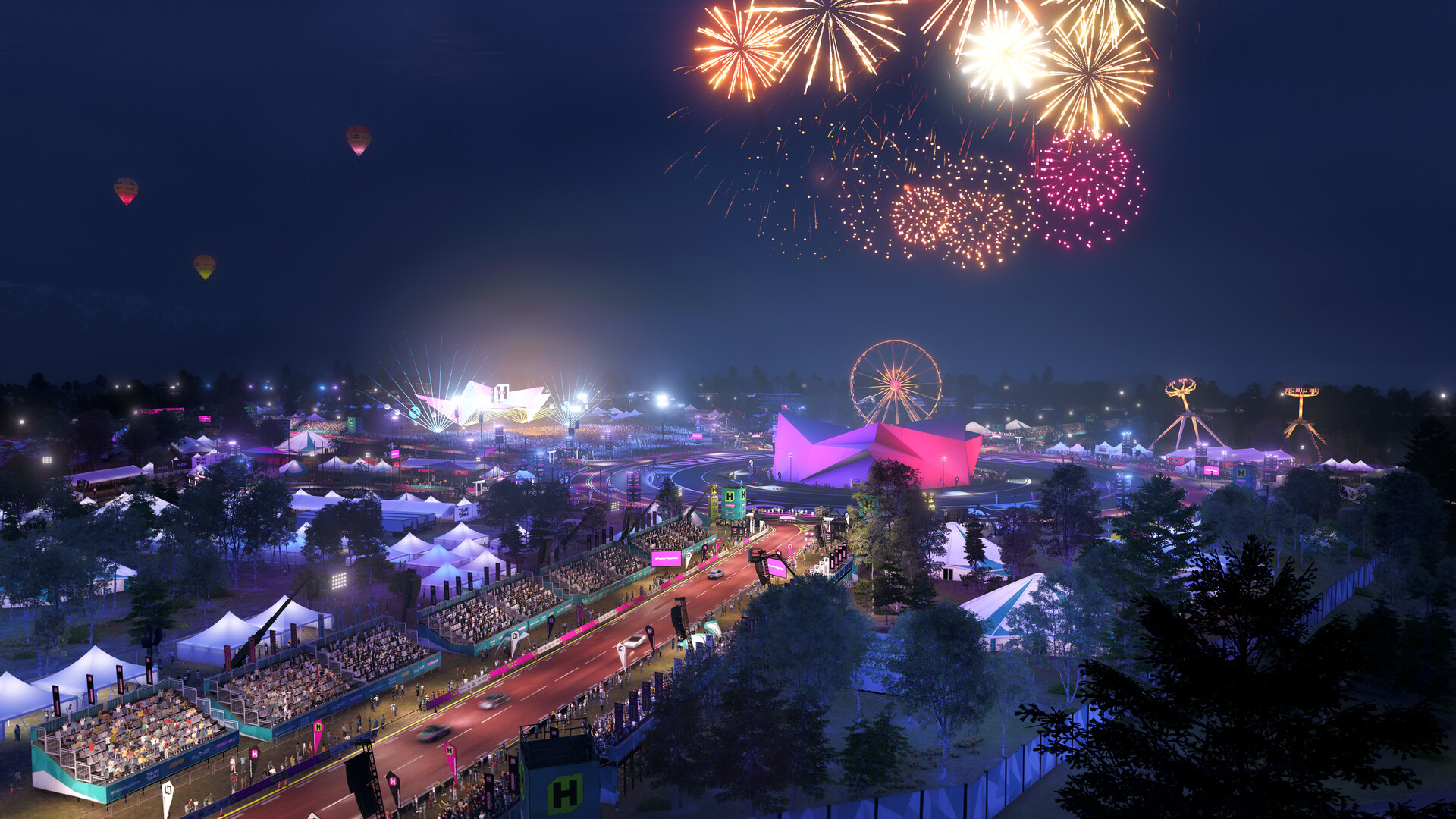
How to turn the game route into a real itinerary
Know that feeling when a game makes you want to plan a trip on the spot? This is that kind of place. Start with Hakone-Yumoto, then move toward the lake and mountain side of the area, and keep the pass roads in mind if you want the most memorable drive. On a related note, if you prefer public transport, Hakone Tozan Railway and the local buses still let you sample the landscape without needing a car.
The best part: this route works whether you’re a driver, a passenger, or a map nerd. You can stop for 蕎麦 (soba, buckwheat noodles), check out an onsen town, and still understand why a racing game would choose Hakone as a stage. It’s all about vertical scenery, sharp corners, and the feeling that the road itself is part of the challenge. See what I mean?
Why this matters for Japan fans and language learners
Here’s the catch: a lot of game talk about Japan stays vague, but this one gives you actual place names and route logic you can use. That means you can learn how fans describe terrain, travel directions, and local atmosphere in both English and Japanese. For example, words like touge, 観光 (kankou) for sightseeing, and onsen come up again and again in Japan travel conversations.

What I find useful is the way this kind of content bridges entertainment and real-world planning. If you’re building your Japanese vocabulary, the Hakone-Minamino connection gives you something concrete to attach it to, and that always helps. A location is easier to remember than a word list, and a game route makes the memory stick even more. Sounds good, right?
That brings us to the bigger appeal of Forza Horizon 6: it’s not only about racing, it’s about turning a map into a story. Hakone, Minamino, and Hakone Manamagari Touge together create a route that feels designed for both gamers and Japan travellers. If you’re the type who likes to compare virtual roads with real ones, this is my absolute hidden gem!
In pictures
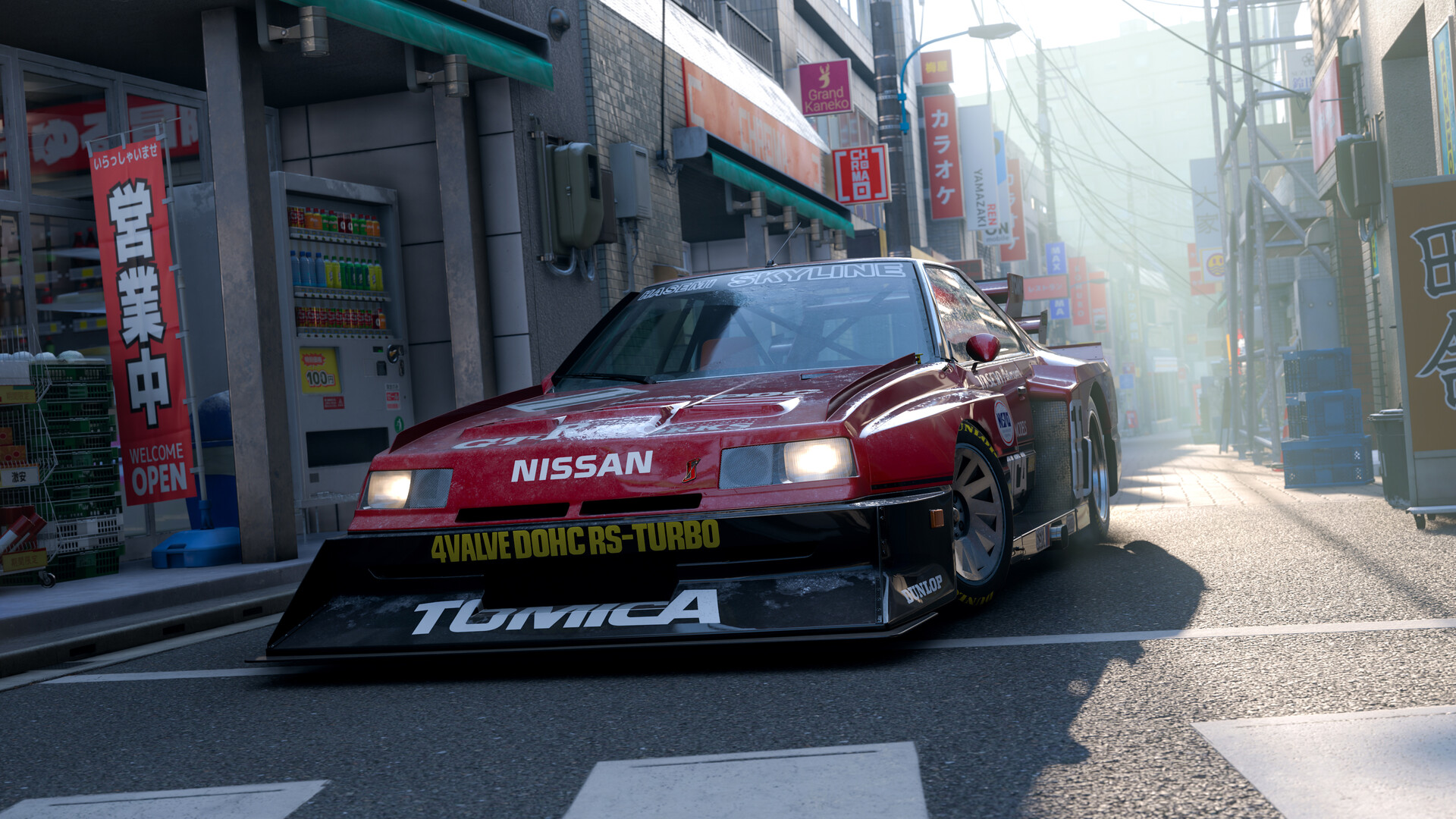
Frequently Asked Questions
What is the Hakone connection in Forza Horizon 6?
Hakone is one of the real-world inspirations behind the game’s Japanese setting, with the Minamino region getting special attention from fans.
Where is Hakone Manamagari Touge?
It is a mountain pass route in the Hakone area of Kanagawa Prefecture, west of Tokyo.
Why do Japan fans care about this route?
It combines a famous travel area, a scenic driving road, and a game map that mirrors real Japanese landscapes.