
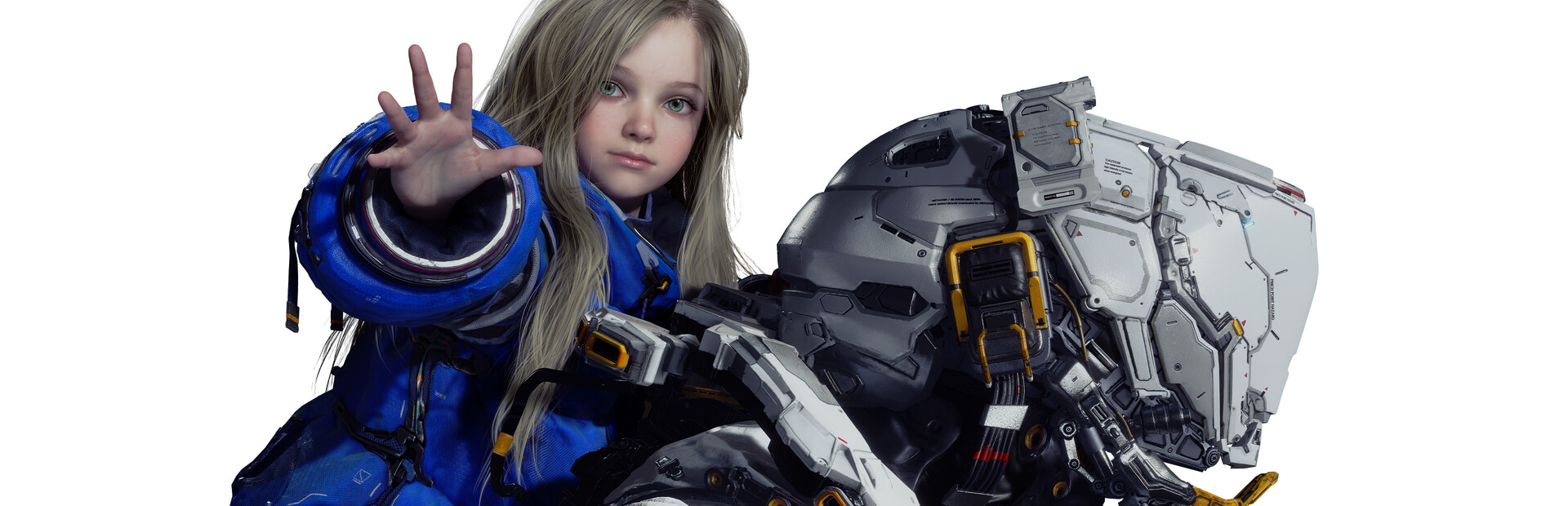
Pragmata and the Capcom look that keeps people talking
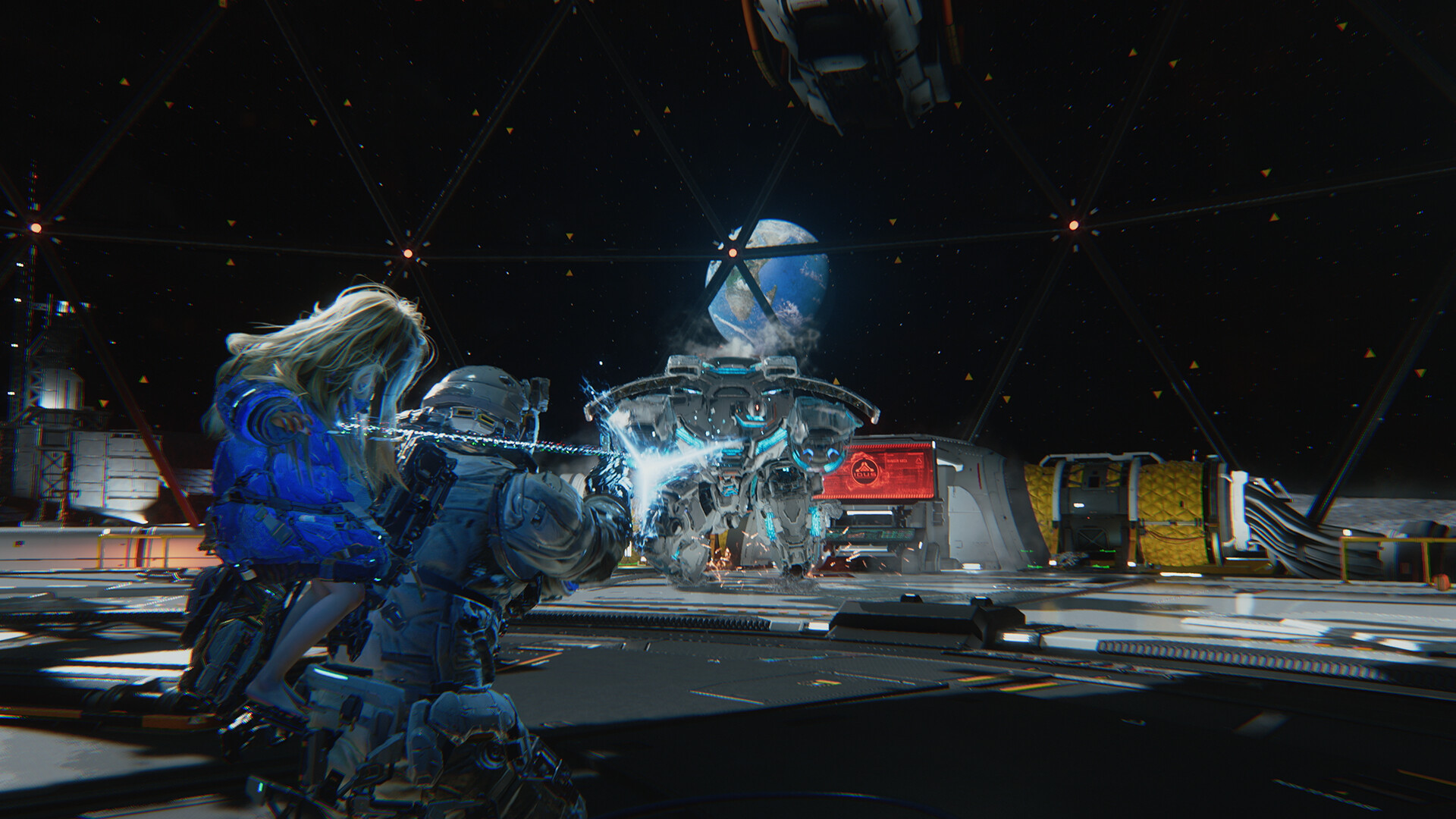
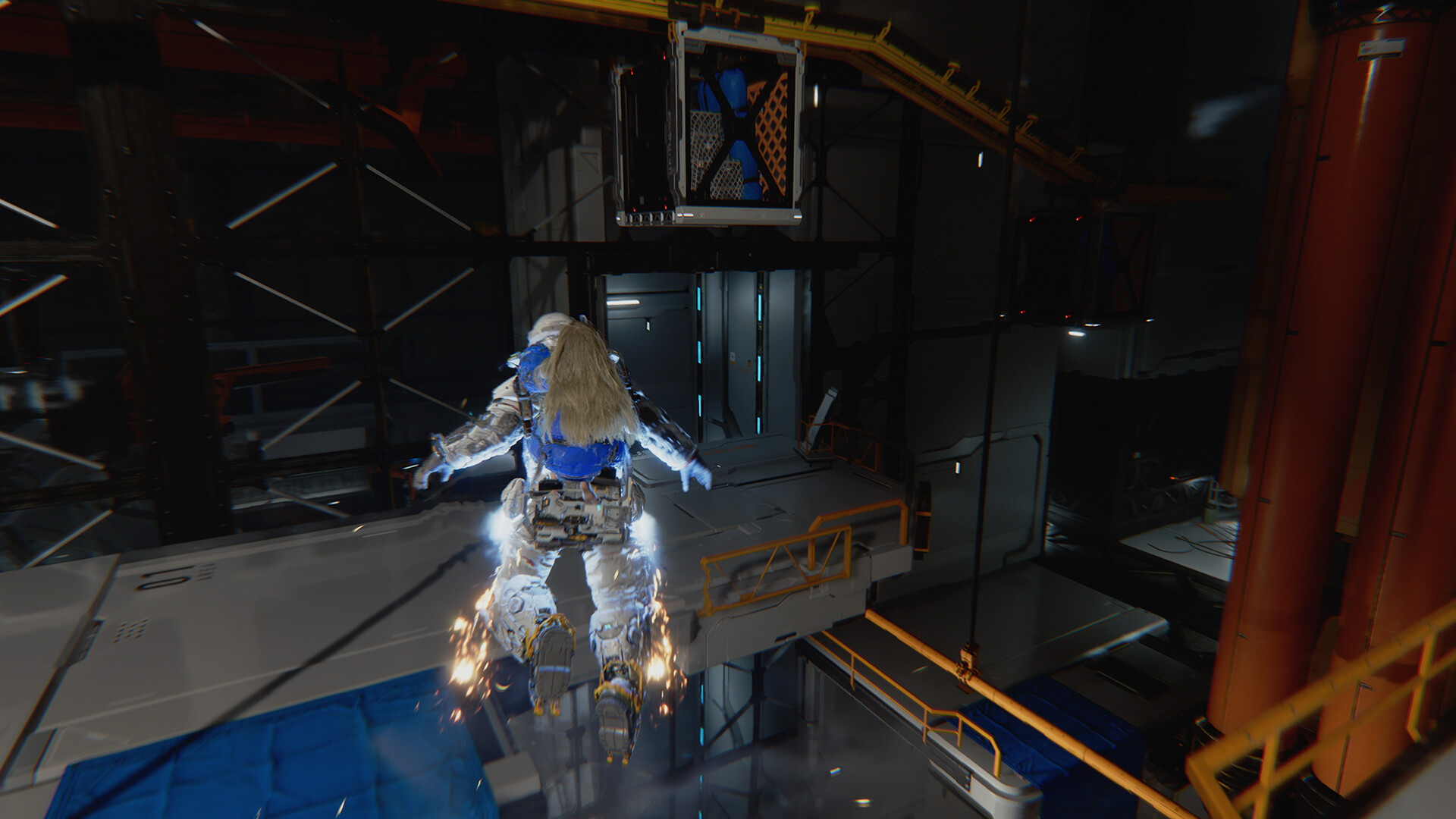
What many overlook is that Pragmata isn’t being praised because it looks "old" in a lazy way. It’s getting compared to the PlayStation 3 era because Capcom is leaning into a clean, slightly cool, slightly clinical sci-fi look, and that lands differently from the glossy chaos we see in so many modern blockbusters. No exaggeration, that can be a compliment when the art direction is sharp.
![Dragon Ball Z: Kakarot [Master Edition]](https://s.pacn.ws/1/p/1eh/dragon-ball-z-kakarot-master-edition-908785.1.jpg?v=t8ja8t&width=400)
![Startup Company [Console Edition] (Limited Edition)](https://s.pacn.ws/1/p/157/startup-company-console-edition-limited-edition-741799.16.jpg?v=ry4mm8&width=400)
![Startup Company [Console Edition]](https://s.pacn.ws/1/p/157/startup-company-console-edition-741779.10.jpg?v=ry4ngq&width=400)
Capcom has a long history of making bold visual choices, from Resident Evil 7: biohazard in 2017 to Devil May Cry 5 in 2019, and Pragmata fits that same habit of refusing to look generic. The game was first announced in 2020 for PlayStation 5, Xbox Series X|S, and PC, and since then it has become one of those titles people watch closely for every new detail. From my experience, that kind of long wait always makes fans inspect style first, gameplay second, and mood third. See what I mean?

Why the PS3-game comparison is actually flattering
Ever wondered why a PS3 comparison doesn't always mean "dated"? The first time I went to Japan, I noticed how often fans there separate technical sheen from artistic identity. A game can be polished, but if it has no personality, it feels forgettable fast. Pragmata, at least from its trailers and screenshots, seems to have the opposite problem in the best possible way, because its personality is loud enough to trigger comparisons.
Here’s the kicker: many PS3-era Japanese games were remembered for atmosphere, restrained UI design, and strong silhouettes, not just raw graphics. Think of titles like Lost Odyssey or early Metal Gear Solid 4 discussions, where players talked about how the game felt rather than only how many pixels were on screen. Pragmata gives off a similar energy. It looks deliberate, almost surgical, and that can read as stylish instead of outdated. Sounds good, right?
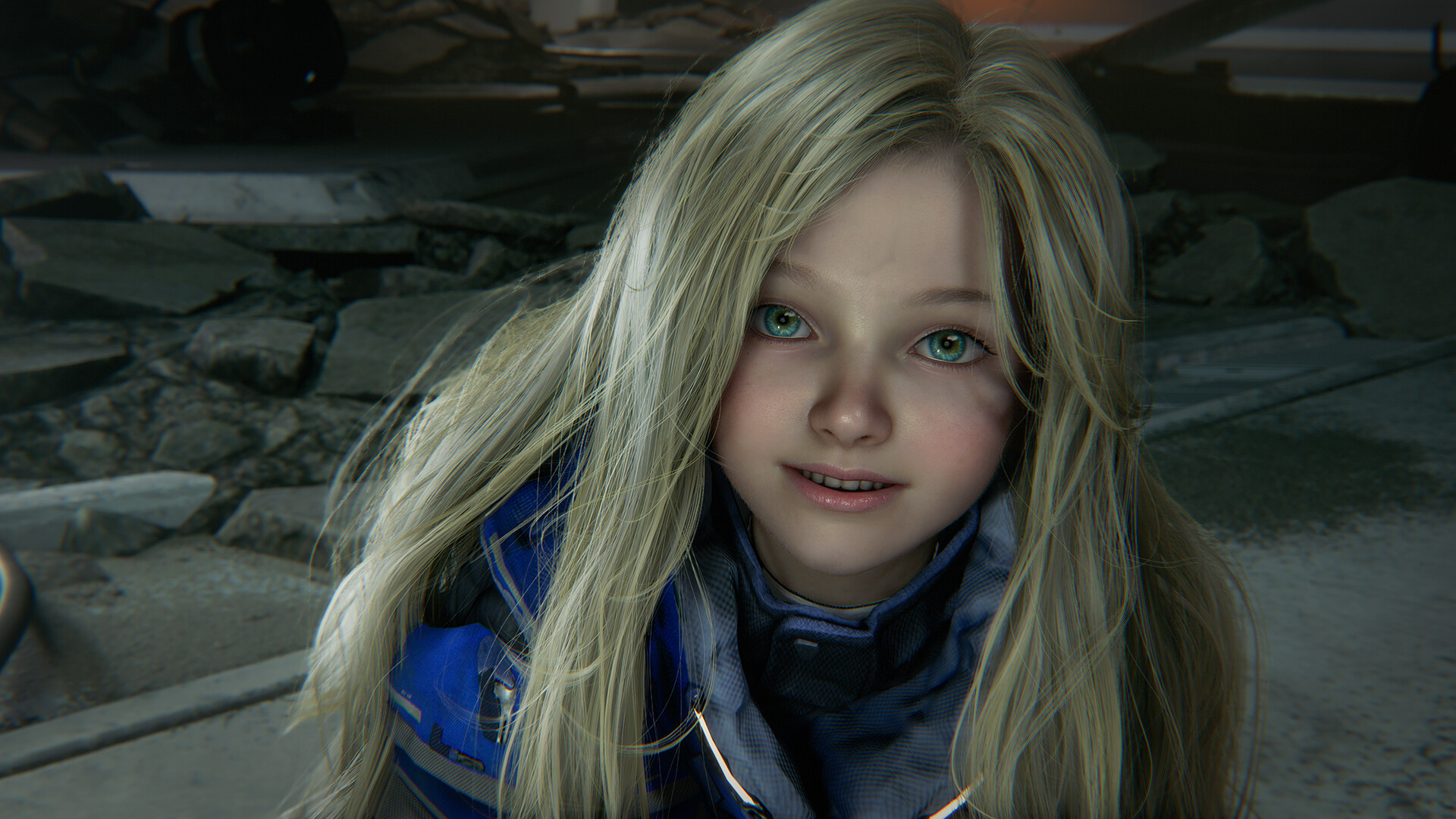
What the comparison says about Capcom's direction
And it gets better: Capcom knows exactly what kind of talk this creates. When people compare a new Capcom project to an older console generation, they’re often talking about identity, not budget. That matters, because Capcom has spent years proving it can swing between modern spectacle and tighter, more focused presentation.
My tip: if you like Japanese games that do not scream for attention every second, keep an eye on Pragmata. It feels closer to a carefully built メカ (mecha, mechanical model; mecha) model than a noisy arcade cabinet, and I mean that as praise. The way Capcom frames space, texture, and character design suggests a game that wants you to notice the details, not just the explosions. Highly recommended: watch it with that mindset, and the whole thing makes more sense. From my experience...
Pragmata, Japanese sci-fi, and the appeal for language learners
On a related note, this is also a fun example for Japanese language learners, because game talk in Japan often uses compact, descriptive words that carry a lot of attitude. When fans say something has a 渋い (shibui, subtle, understated cool) feel, they are often pointing to a calm, understated cool. Pragmata seems to be attracting that kind of reaction, even in an English-language discussion, because its look is not shouting for validation.
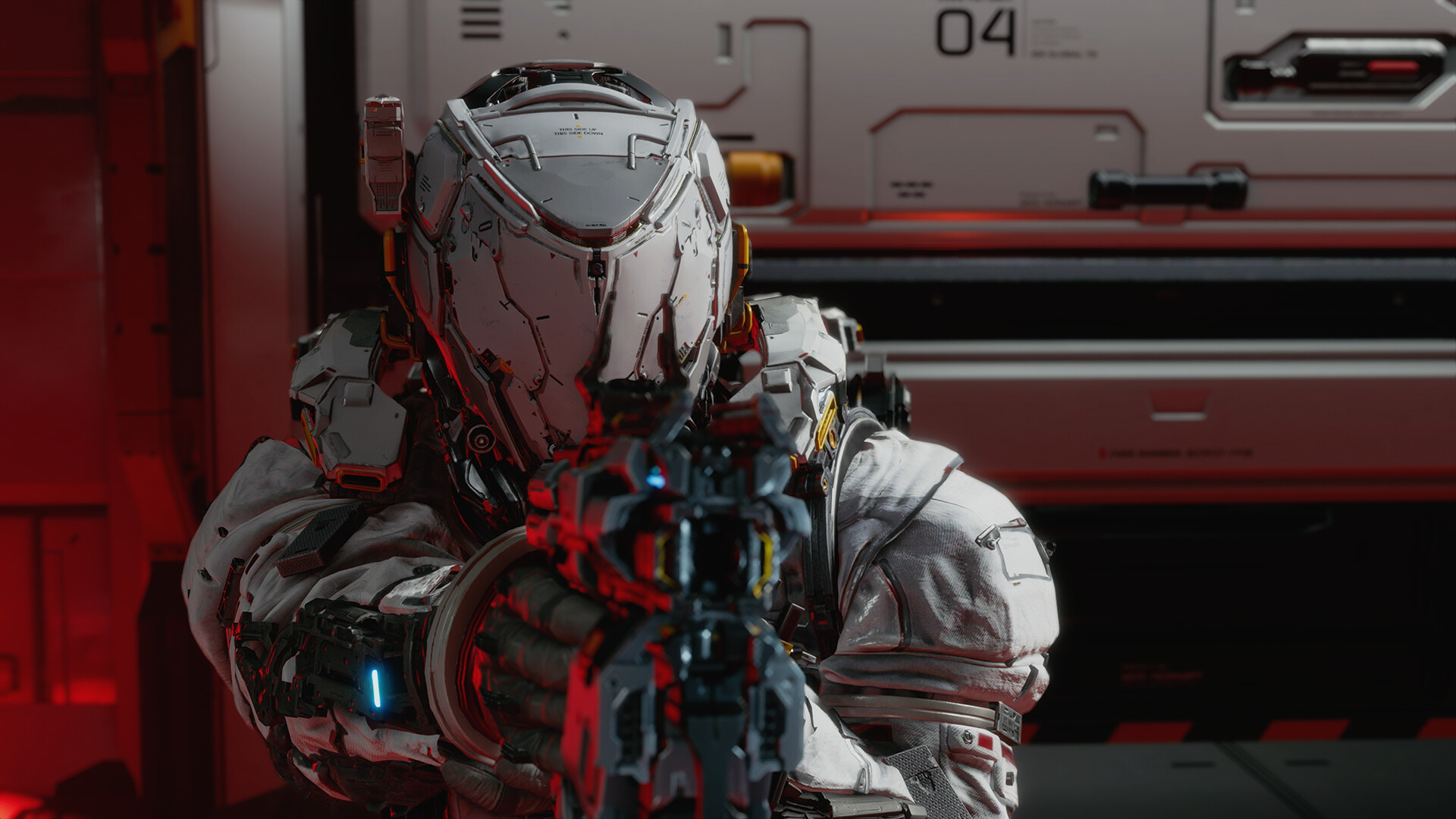
For example, if you are reading Japanese coverage, you may notice phrases that focus on mood and design more than strict technical specs. That is very common in オタク (otaku, nerd; obsessive fan) culture, where a game can be praised for its 世界観 (sekaikan, worldview; sense of worldbuilding), its overall sense of worldbuilding. Pragmata seems built for that kind of conversation. It invites questions about setting, tone, and what Capcom is trying to say with its sci-fi imagery, which is exactly the kind of detail Japan fans love to pick apart. See what I mean?
Why this matters for Capcom fans
Oh, almost forgot: Capcom is one of those companies that can turn a strange reaction into momentum. If a trailer gets people arguing about whether it looks like a PS3 game, that's not necessarily a warning sign. It can be a sign that the game has a visual identity strong enough to be remembered, and memory is half the battle in game marketing.
What I especially like: Pragmata doesn't seem interested in chasing the same shiny look as everything else on the shelf. Instead, it feels more like a designer toy, precise and a little mysterious. That is a very Japanese kind of cool, the sort you might also see in minimalist architecture, a tidy 喫茶店 (kissaten, coffee shop; old-style café), or a carefully arranged ryokan room. Different medium, same instinct. Not bad, right?
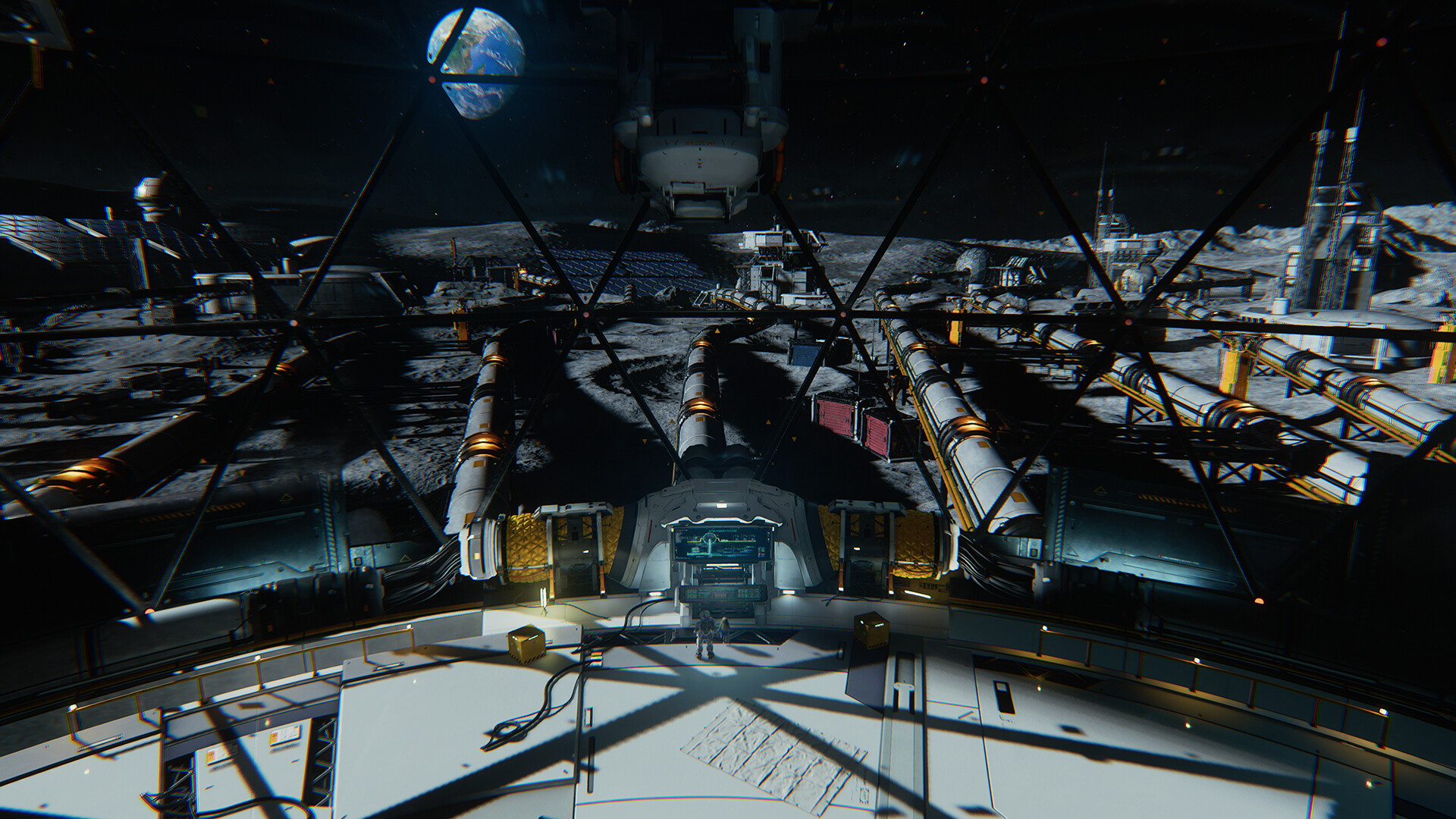
Final thoughts on Pragmata's surprising compliment
Here’s the kicker: the "PS3-like" label can sound like a backhanded comment, but for Pragmata it reads more like praise for confidence. Capcom has built a reputation on knowing when to go loud and when to stay restrained, and this project seems to fall into the second camp. That makes it stand out all the more in a market where everything else is trying to dazzle you at first glance.
If you are a Japan fan, this is a nice reminder that style is never just technical. It’s tone, pacing, and the feeling that a game has a point of view. Pragmata may still be a mystery, but that mystery is part of the appeal, and Capcom clearly knows it. This is my absolute hidden gem! Sounds good, right?
In pictures
Frequently Asked Questions
What is Pragmata?
Pragmata is an upcoming sci-fi game from Capcom announced for PlayStation 5, Xbox Series X|S, and PC.
Why are people comparing it to a PS3 game?
People are reacting to its visual style, which feels restrained, clean, and strongly directed rather than overly flashy.
Is the comparison meant as criticism?
Not necessarily. In this case, it can be read as praise for the game's mood and identity.


