
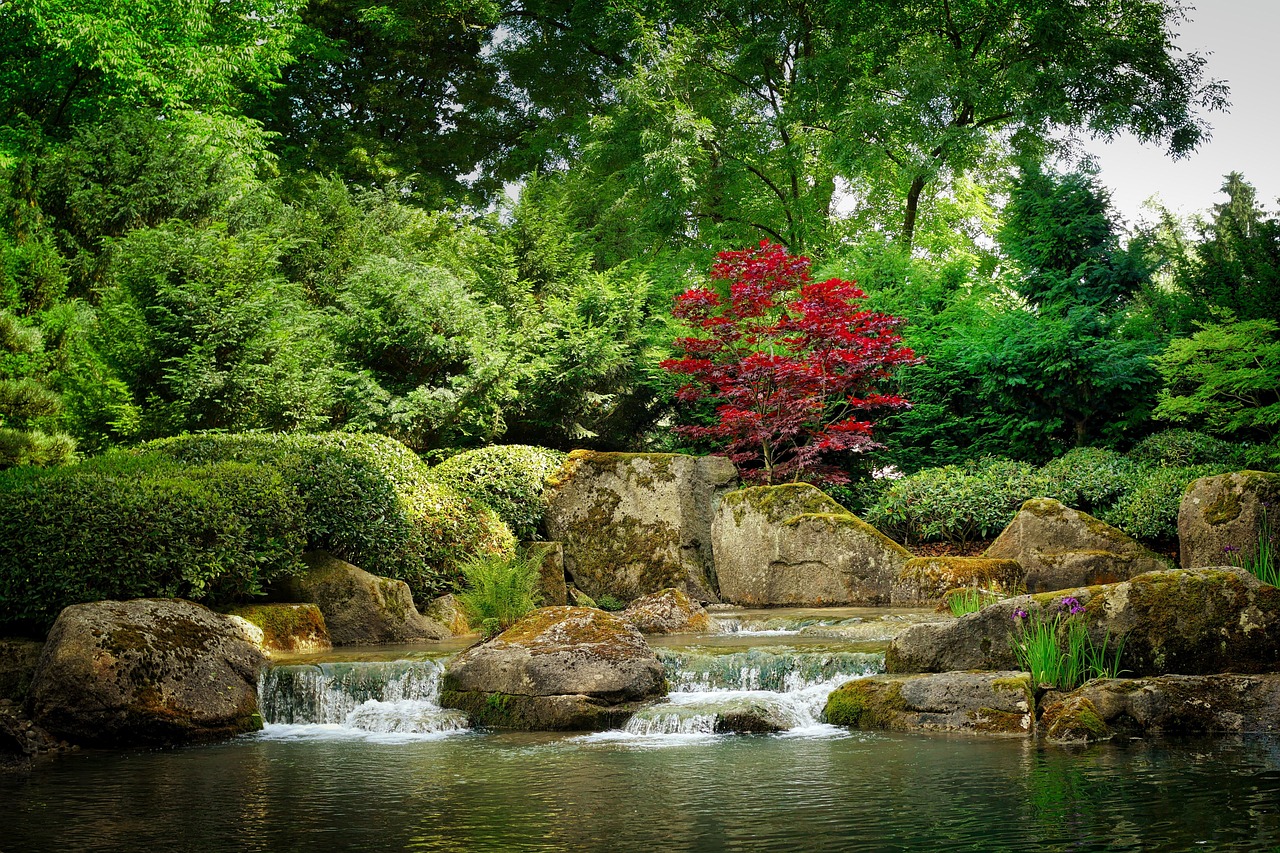
Compared with home, the best places here are often quieter, more practical, and much closer to nature than you might expect. Classic Japan, isn’t it?
Mount Fuji Airbnb stays: where to sleep for the best views
Mount Fuji isn’t just one destination, it’s a whole travel zone. If you stay in the right place, you can wake up to a mirror-calm lake, head out early for a shrine visit, or reach the ropeway before the crowds do.
The first time I went to Japan, I expected Fuji to feel like a distant postcard. It didn’t. It felt bigger, quieter, and more local than that, especially once I spent a night in the Fuji Five Lakes area. Here’s the thing: an Airbnb near Fuji can be far better than a hotel if you want space, a kitchen, and a real neighbourhood feel.
For Japanese learners, this area is also great for picking up travel vocabulary in context. You’ll hear words like 山 (yama, mountain), ko, 水 (mizu, water), and 宿 (yado, lodging; inn) everywhere, and once you start noticing them, the whole trip feels a bit more connected. No joke, that kind of real-world repetition helps.
1. Kawaguchiko, the easiest base for first-timers
Know that feeling when you want the classic view without complicated logistics? Kawaguchiko is your answer. It’s the most practical place to stay near Fuji, with easy access to Lake Kawaguchi, bus connections, convenience stores, and a huge range of Airbnb-style apartments and guest houses.
A great example is looking for stays in the northern shore area near Oishi Park or the east side near Kawaguchiko Station. These spots are popular because they put you close to sunrise viewpoints, cafes, and the Mt. Fuji Panoramic Ropeway. In clear weather, you can get those textbook Fuji shots before breakfast, then spend the afternoon browsing little local shops.
My tip: choose a place with a balcony or large windows. Fuji disappears behind clouds often, so when it shows up, you want that view from the room, not just from the street. Personally, Kawaguchiko is the best first Fuji stay if you only have one night.
2. Fujiyoshida, better for culture and city-style stays
Here's the catch: if you want more atmosphere and fewer tourist-bus crowds, Fujiyoshida is a strong pick. It sits at the foot of Fuji and feels more lived-in than Kawaguchiko, with old shopping streets, local eateries, and easy access to Chureito Pagoda.
Compared with home, this is the kind of place where a simple walk becomes part of the trip. You can stay in a renovated house or compact apartment, then head out for うどん (udon, udon noodles), a shrine visit, or a photo stop in the afternoon light. Wild, isn’t it?
Why Fujiyoshida works so well
It’s also a smart base if you like mixing nature with everyday Japan. You’ll be near Fuji-Q Highland, which opened in 1964 and remains one of the area’s biggest draws, but you’ll still sleep in a neighbourhood that feels calm at night. By the way, if you’re learning Japanese, this is a great place to hear simple local phrases in shops and stations, not just tourist English.
3. Yamanakako, the quiet lake stay with big sky views
Let’s be honest: not everyone wants the busiest lake. Yamanakako, around Lake Yamanaka, is the roomier, slower option. It’s the largest of the Fuji Five Lakes, and that gives you a more open feeling, especially if you book an Airbnb with a garden, bike access, or direct lake proximity.
A lot of travellers miss this one, which is exactly why I like it. You can go for sunrise walks, rent a bike, and get wide Fuji reflections on a still day. If Kawaguchiko is the obvious choice, Yamanakako is the one for people who want space to breathe. Wait, there’s more: the lake area is also excellent in autumn, when the trees turn red and gold and Fuji sits above it like a painted backdrop.
Oh, almost forgot: because the area is quieter, check transport carefully. Some Airbnbs look amazing online but are farther from bus stops than you’d think. If you don’t plan to drive, stay closer to the main route around the lake.
4. Gotemba, for shopping, food, and an easier Fuji side trip
Gotemba is the practical traveller’s move. It’s not the postcard-perfect lake base, but it gives you Fuji access with better shopping, more chain restaurants, and strong transport links. If your Japan trip includes a lot of luggage, outlets, or an early bus to the mountain, Gotemba makes life simpler.
A great example is that many visitors use Gotemba as a stop before or after a longer Fuji stay. You can visit the Gotemba Premium Outlets, opened in 2000, then take a bus towards the Fifth Station area or head back towards Tokyo with less hassle. For Airbnb users, this area can be a good value choice too, especially if you want a bigger room for the price.
What I especially like is the balance. You get enough city energy to keep things easy, but Fuji is still right there in the background. My verdict: this is the most underappreciated base on the list.
5. Oshino and the smaller village stays near the springs
No joke: if you want something slower and more old-fashioned, look at Oshino. The village is famous for Oshino Hakkai, the spring ponds fed by Mount Fuji’s snowmelt, and it has a very different mood from the lakeside resort areas. Airbnbs here are often in smaller guest houses or traditional-style homes, which gives your trip a more local feel.
The first time I stayed near a place like this, I realised how much the small details matter. A wooden entrance, 畳 (tatami, tatami mat) flooring, quiet mornings, and a short walk to a spring water site can change the whole tone of a trip. If you like cultural texture, this is where you’ll find it.
Compared with the busier bases, Oshino works best if your goal is peace, photos, and slow travel. You won’t have as many restaurants on your doorstep, so plan dinner ahead. That said, if you want one of the most charming overnight stays in the Fuji area, it’s a strong finish. Personally, I’d pick Oshino for a second Fuji trip, once you’ve already done the main sights.
How to choose the right Airbnb near Mount Fuji
Before I forget: weather matters more than almost anything else around Fuji. The mountain hides behind clouds often, so a good stay isn’t only about the room, it’s about where you’ll be when the sky clears. Book one night minimum, two if you can.
Here’s the thing: if you want the best all-round experience, stay near Kawaguchiko. If you want culture and a more local city feel, choose Fujiyoshida. If you want quiet water views, go for Yamanakako. If transport and shopping matter most, Gotemba works well. And if you want a slower, more traditional atmosphere, Oshino is the one.
For Japanese learners, try reading local listing descriptions carefully. Words like 記念 (kinen, memorial; commemorative), keikan, eki, and 静か (shizuka, quiet) show you how hosts frame the space, and that’s a useful habit for real travel planning. It also makes booking less random, which is always nice. more Japan news on jpnerd.com
Frequently Asked Questions
How many nights should I stay near Mount Fuji?
One night is the minimum, but two nights give you a much better chance of seeing the mountain clearly.
Which area is best for first-time visitors?
Kawaguchiko is the easiest and most practical base for a first Fuji trip.
Do I need a car in the Fuji area?
No, but a car makes it easier. If you rely on buses, choose a place close to a station or main route.


