
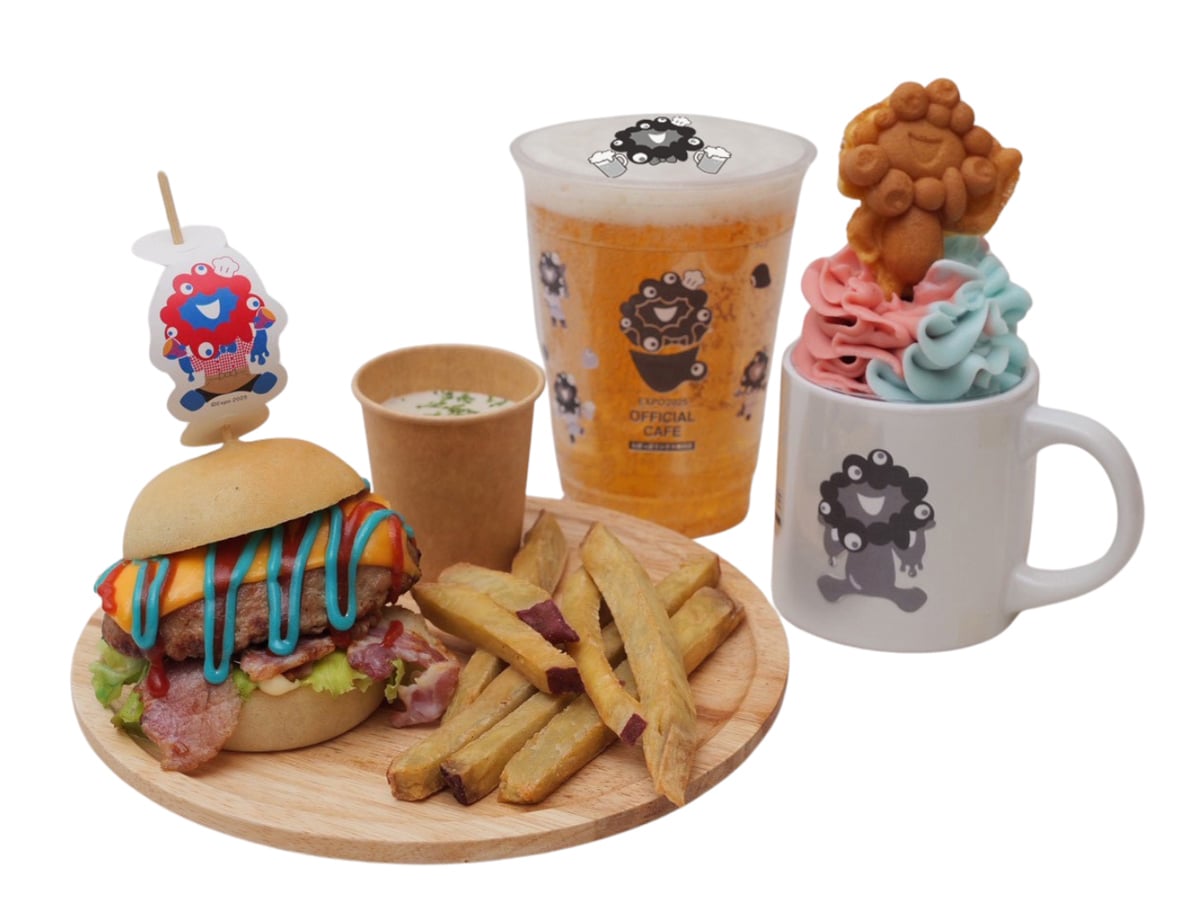
For Japanese language learners, it’s also a neat vocabulary story. You get a real-world look at ワンハンド弁当 (bento, boxed meal / lunchbox meal), デパ地下 (depachika, department store basement food hall), and the kind of food trend that grows quickly when it solves a simple problem.
One-Hand-BENTO: from Expo sensation to daily retail
One-Hand-BENTO is exactly what it sounds like. It’s a bento designed to be eaten with one hand, which makes it easier to carry, eat, and enjoy while moving around. That practical idea helped it stand out at the Osaka-Kansai Expo, where it reportedly sold 220,000 meals. Classic Japan, isn’t it? A small adjustment, a clear need, and suddenly a simple format becomes a talking point.
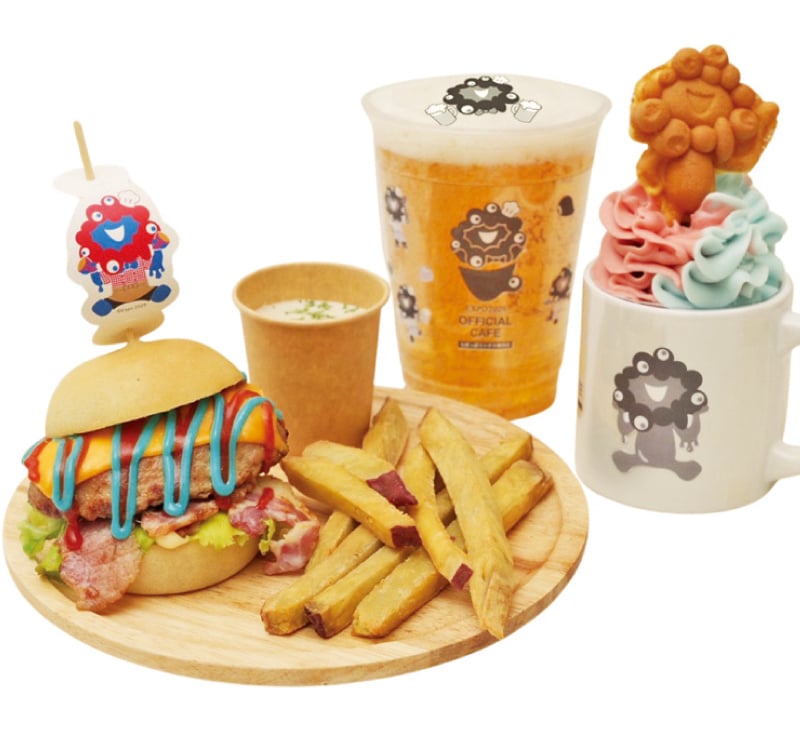
What most people don’t know is that the success isn’t just about novelty. Expo visitors are busy, often standing, walking, or waiting in line. A meal that doesn’t require a table, chopsticks, or much fuss has a real advantage. For Japanese learners, this is a useful example of how food language often reflects function. The name ワンハンドBENTO is direct, practical, and easy to understand, even if you only know a little Japanese.
By the way, the word bento itself usually means a boxed meal, but in practice it can cover a wide range of styles, from convenience-store lunches to carefully arranged home-packed meals. One-Hand-BENTO sits somewhere between product design and everyday food culture. That’s part of why it got attention so quickly. It solves a modern problem without losing the recognisable shape of a Japanese meal. But let’s stick with the retail move for now.
Why the 220,000-meal Expo result matters
Numbers matter in food reporting, and 220,000 meals is a strong signal. It tells you the product wasn’t just a side attraction. It was something people actually bought, ate, and came back for. At a large event like the Expo, that kind of repeat demand suggests the format has commercial legs beyond a one-off gimmick.
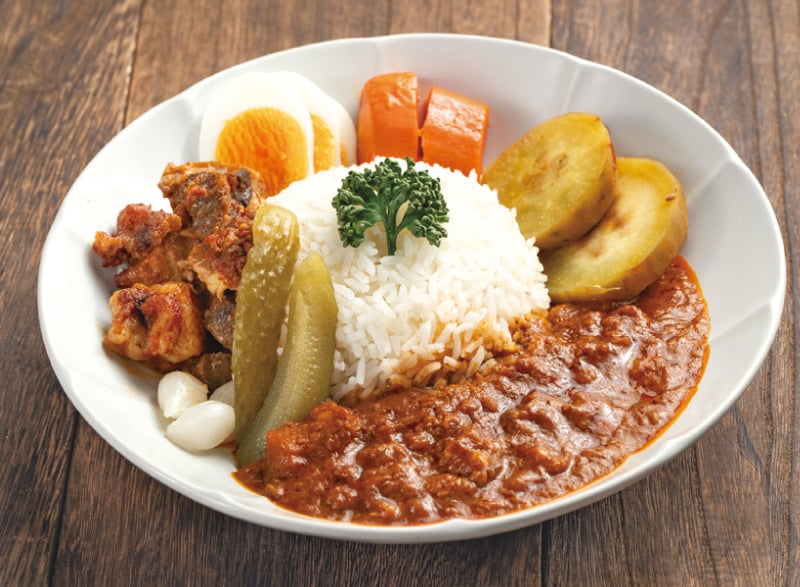
On the flip side, Expo success doesn’t always translate into long-term sales. Some products shine in a venue built for curiosity, then fade when they meet everyday shoppers. The best part of this story is that One-Hand-BENTO is now entering the department store world, where expectations are different. In depachika, people look for quality, consistency, and value. The item has to work on a normal lunch break, not only during a special event.
My tip: when you see Japanese food trends move from a festival setting into retail, pay attention to the packaging language. Words like 手軽 (te-garu, easy; convenient), 便利 (benri, convenient; handy), and 満足 (mantoku, satisfaction) often show up around products designed for convenience. They tell you exactly how the item wants to be used. In this case, the one-hand concept is doing the heavy lifting. It’s a smart approach.
What the depachika launch says about Japanese food culture
Unlike what we’re used to in some markets, Japanese department stores still matter as serious food destinations. The basement food floor, or depachika, is where people buy boxed meals, sweets, side dishes, and gifts with care. It’s retail, but it feels close to food culture. That makes it a strong place for a product like One-Hand-BENTO to prove itself.
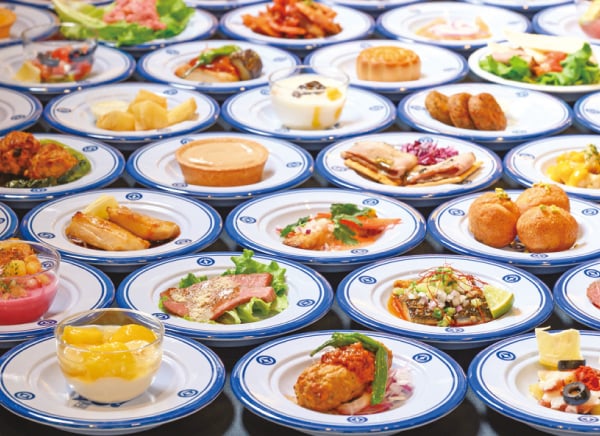
Why depachika is the right next step
First, the customer base already understands premium convenience. Second, the display environment rewards foods that are visually clear and easy to explain. Third, department store shoppers often treat lunch as something worth choosing deliberately. If One-Hand-BENTO can win there, it’s no longer just an Expo curiosity. It becomes a practical option for commuters, office workers, and day-trippers alike.
Quick detour: for Japanese language learners, depachika is a handy compound to remember. Depa comes from department store, and chika means basement. You’ll see it used often in travel guides and food articles. Once you notice it, you’ll start spotting how much of Japanese eating culture is organised around place as much as flavour. See what I mean?
How to read the trend if you follow Japan food news
Plot twist: this isn’t only a food story, it’s also a product-story lesson. A meal format can be tested in a high-traffic event, then refined for retail. That path tells you the creators are thinking about repeatability, not just hype. I especially like that. It means the idea is being built for actual use, not only for headlines.
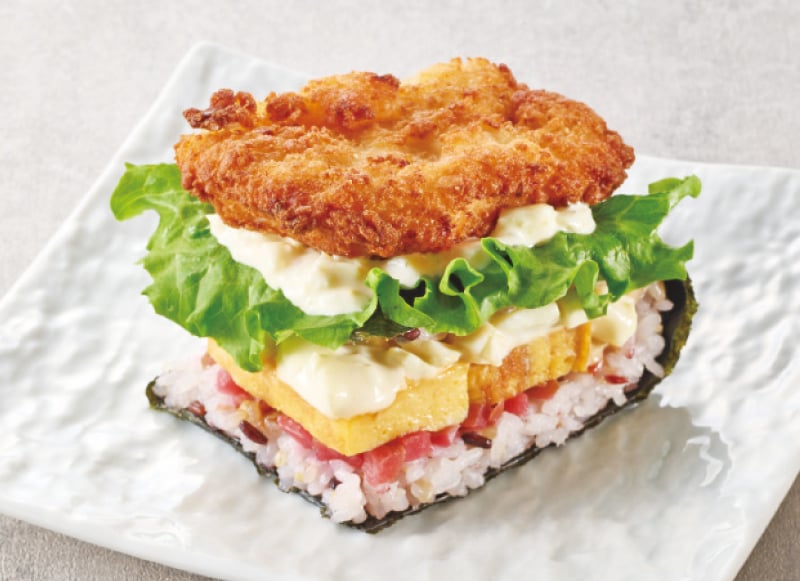
If you follow Japan news, watch for three things. First, where the product starts. Second, how many units it sells. Third, where it appears next. In this case, the jump from Expo to department store is the key detail. It shows that the concept has moved from sampling to shopping. For learners, this is also a good moment to review words like 売上 (uriage, sales; revenue), tenpo, and ketteiban in context, since Japanese food coverage often leans on business vocabulary as much as cooking language.
The first time I went to Japan, I was struck by how seriously even simple lunch food was presented. A rice ball, a sandwich, or a small boxed meal can all be arranged with care. One-Hand-BENTO fits that mindset very neatly. It’s efficient, compact, and easy to understand. And in Japanese retail, that clarity is often what gets a product from temporary fame to lasting shelf space.
If you want more Japan food and culture updates like this, keep exploring more Japan news on jpnerd.com.
Frequently Asked Questions
What is One-Hand-BENTO?
It is a bento designed to be eaten with one hand, making it easy to carry and eat on the go.
Why is the Expo sales figure important?
Selling 220,000 meals shows that the product was popular enough to move beyond a novelty item.
What is a depachika?
It is the food floor in a department store, usually located in the basement, where shoppers buy prepared foods and gifts.


