Overview
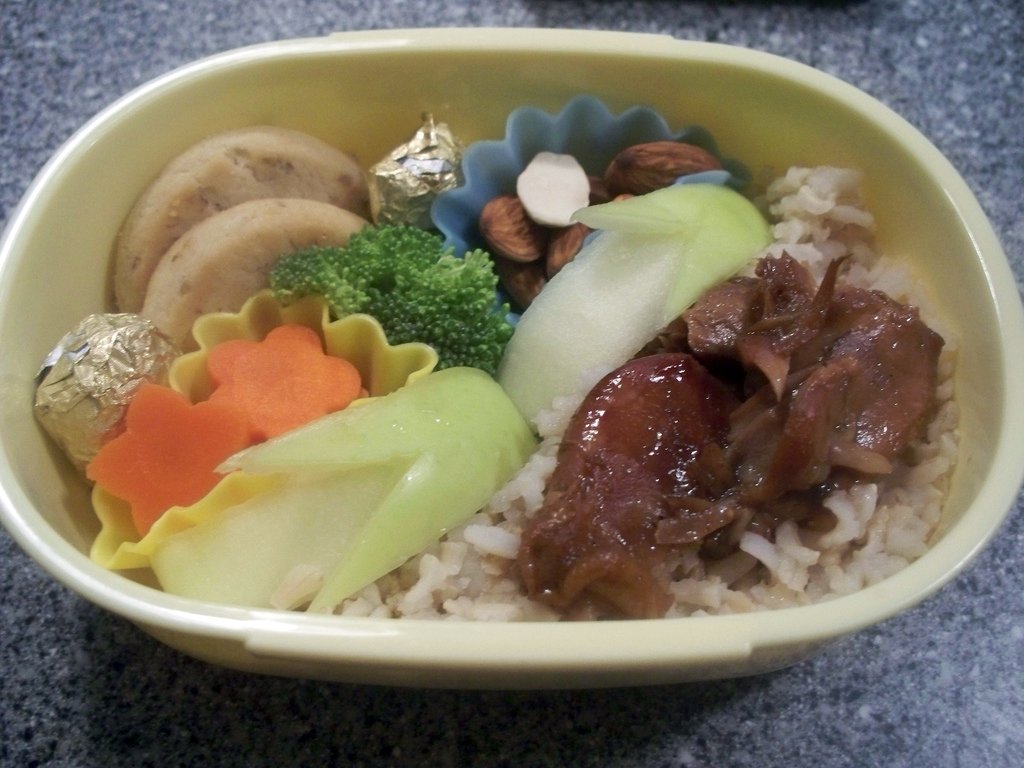
One-Hand 弁当 (bento, boxed meal; a packed lunch) is a practical lunch concept built around a simple idea: you should be able to eat it while walking, holding a drink, or moving through a crowded place, with no chopsticks and no spillage. In Japanese food culture, that matters. A well-made bento is already portable, but this format pushes portability further by making the meal easier to handle in busy public spaces. The result is a home-cooked style of convenience that still feels distinctly Japanese.
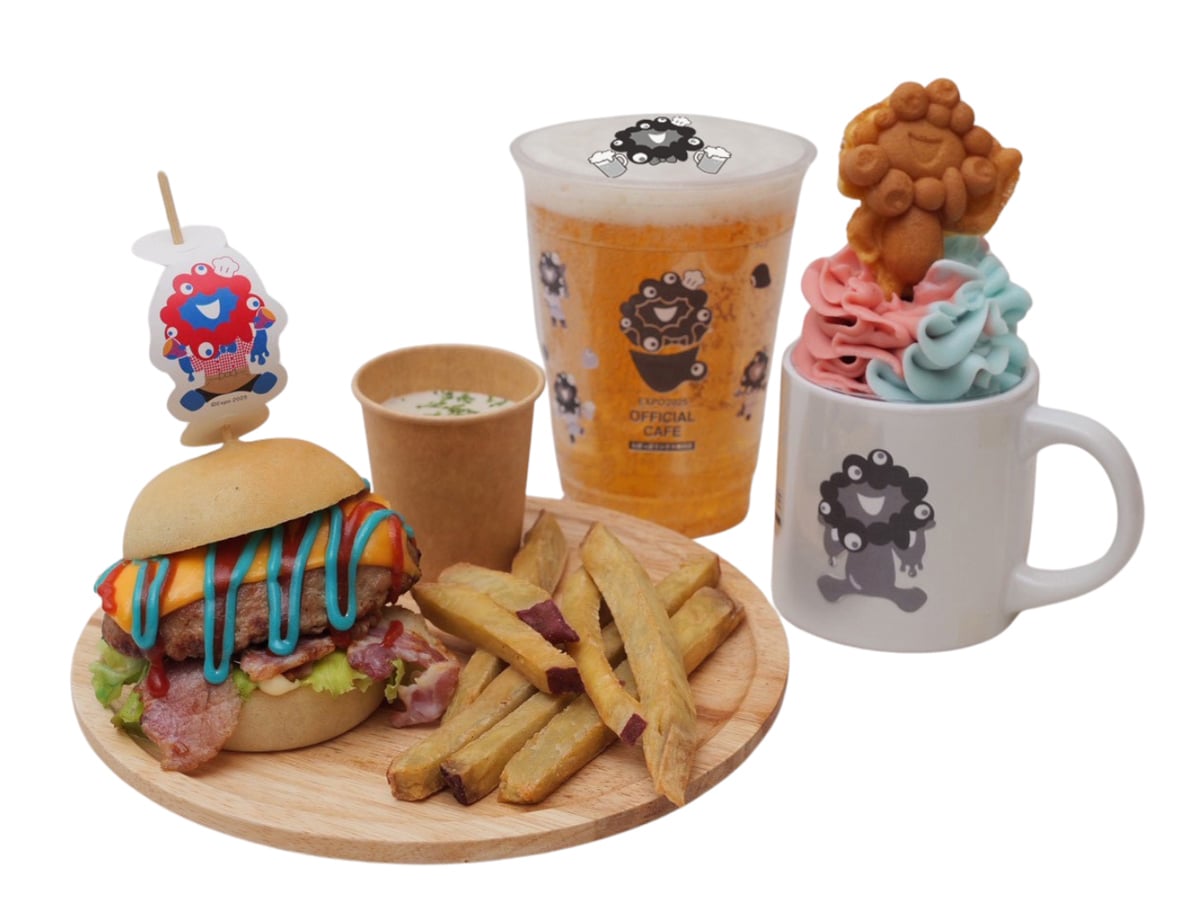
The concept gained attention after selling 220,000 portions at the Osaka-Kansai Expo. That scale matters because Expo food is not just about novelty. It has to be fast, reliable, and easy to consume in a crowd. One-Hand Bento fits that need well, which helps explain why it has continued into デパ地下 (depachika, department-store basement food hall), the basement food halls inside major department stores. For readers who follow Japanese food trends, this is a useful example of a concept moving from event food to everyday retail.
What makes this bento different
Traditional bento usually assumes a proper place to sit, open the box, and eat with utensils or chopsticks. One-Hand Bento changes that expectation. It is designed so you can hold it in one hand and eat directly from the packaging. That makes the format especially relevant in stations, event venues, shopping districts, and other places where people do not want a full sit-down meal.
There is also a clear practical logic behind the design. The food must stay neat, the portioning must make sense, and the texture has to hold up while being eaten on the move. In other words, the format is not only about convenience. It is about structuring the meal so it remains stable, tidy, and satisfying outside the home. That is why the concept has room to grow beyond a temporary event menu.
Why it resonates in Japan
Japanese food culture often values convenience without sacrificing care. That is where One-Hand Bento fits naturally. It offers a fast meal, but it still carries the logic of bento: balanced portions, clear structure, and a sense that the food was arranged with intention. For many visitors, that combination is part of the appeal. It is familiar enough to feel approachable, but new enough to stand out.
If you are learning about Japanese food culture, this is also a useful example of how a single concept can respond to daily life. The phrase bento means boxed meal, while teikibin-style portability is part of the broader modern demand for food that works in transit. One-Hand Bento takes that everyday need and makes it more specific. It is not a formal dining format. It is a solution for real movement, real crowds, and real time pressure.
Related food concepts and what to compare it with
To understand One-Hand Bento better, compare it with other portable Japanese meals. A standard 駅弁 (ekiben, station bento sold for train travel) is bought for travel, usually at a station, and is meant to be eaten during a train ride. A konbini meal is convenient and widely available, but it is not usually designed around one-handed eating. One-Hand Bento sits between these ideas. It is casual, portable, and compact, but it is built with a very specific eating situation in mind.
It also has a close relationship to the depachika experience. Department store food basements in Japan often serve as places to find high-quality prepared foods, seasonal items, and easy take-home meals. The move into this setting suggests that One-Hand Bento is no longer only an Expo curiosity. It is becoming part of the broader retail food landscape.
Where to experience it in Japan
If you want to try One-Hand Bento in Japan, department stores are the most relevant place to start. The concept expanded into department store sales after its Expo success, and its permanent shop opened at Abeno Harukas Kintetsu Main Store in Osaka on April 29, 2026. That makes Osaka the clearest city to watch for it in a retail setting.
Look for it in depachika food basements and prepared-food counters, where seasonal bento and takeout items are often sold together. If you are planning a food-focused trip, this is the kind of item that can be picked up between sightseeing stops. It is also worth checking official department store food floors, because one reason these concepts spread is that they are easy to slot into existing takeaway systems. For current readers following the trend, the article One-Hand-Bento landet im Department Store is a useful reference point for the department-store angle.
What to expect as a first-time buyer
When you buy a One-Hand Bento, expect a meal that is designed for function first. It should be easy to hold, easy to finish, and easy to carry while you continue moving. Do not expect a formal dining experience. Expect a neatly built takeaway item that reflects Japanese attention to packaging and portion control.
If you are interested in how this idea continues to spread in retail settings, the follow-up coverage One-Hand-BENTO erobert die Kaufhäuser in Japan offers another useful entry point for tracking the concept in department stores. For readers who like Japanese food trends, this is a good case study in how a simple format can move from event food to a more permanent presence.
One-Hand Bento and Japan-specific food vocabulary
If you are building One-Hand Bento japanisch lernen knowledge alongside the food itself, a few terms help. Bento is a boxed meal. Depachika means the basement food hall in a department store. Ekiben refers to station bento sold for train travel. 予約 (yoyaku, reservation; advance booking), meaning reservation, can matter when a popular food item is sold in limited quantities. These words come up often when you explore Japanese prepared foods, and they give you a clearer picture of how the category works in daily life.
One-Hand Bento kanji may appear in official signage, but the romanized term is enough for most searches and menu references. If you want to understand the concept through Japanese-language listings, learning the common food-floor and takeaway vocabulary will help more than memorizing a single label. The category is small, but the practical language around it is useful across many kinds of shops.
For readers planning a food trip, the main takeaway is simple: this is a portable bento concept with enough momentum to move beyond a single event. Start in Osaka, check department store food halls, and look for prepared meals that are clearly designed to be eaten one-handed. That is where the concept is easiest to understand in practice.
Frequently Asked Questions
What is One-Hand Bento?
It is a Japanese lunchbox concept designed to be eaten with one hand, without utensils and without making a mess.
Where can I try One-Hand Bento in Japan?
Department stores are the best place to look, especially depachika food basements and the permanent shop at Abeno Harukas Kintetsu Main Store in Osaka.
Why did One-Hand Bento get attention?
It sold 220,000 portions at the Osaka-Kansai Expo, which showed that the format works well in busy public settings.
How is it different from regular bento?
Regular bento is usually meant to be eaten in a seated setting, while One-Hand Bento is structured for walking and other on-the-go situations.
What Japanese words should I know for this topic?
Bento, depachika, ekiben, and yoyaku are the most useful terms for understanding how One-Hand Bento fits into Japanese food culture.