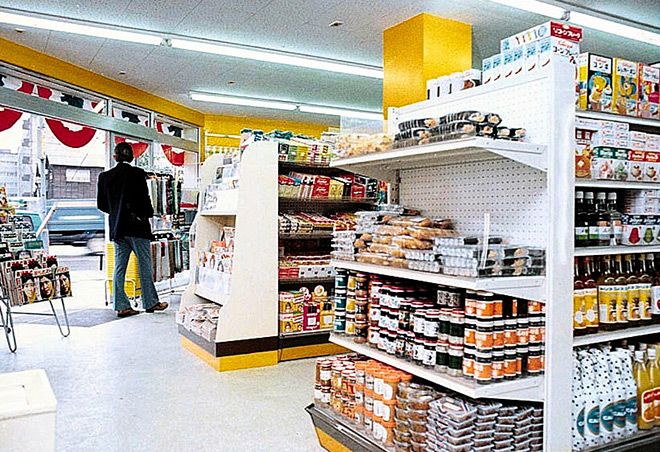
This is a story about 7-Eleven, yes, but also about how convenience stores became part of the texture of Japanese life. You know how it goes: one quick stop for milk turns into dinner, cash, tickets, and a small survival kit for the week.
The man who helped build Japan's konbini habit
What exactly did one entrepreneur change in Japan? More than you might think. The Asahi retrospective remembers the pioneer behind the 24/7 konbini culture that now feels so ordinary, and that ordinariness is the point, because the best systems disappear into daily life.

In Japan, a konbini isn’t just a shop with snacks. It’s where you grab a hot coffee at 7 a.m., a 弁当 (bento, boxed lunch) after the last train, an おにぎり (onigiri, rice ball) when your schedule slips, and sometimes a quiet moment of human contact when nobody else is around. Hand on heart, for people living in cities, and for students, office workers, parents, and older residents alike, that matters.
The article frames this as a kind of obituary and cultural history at once, which is exactly the right angle. It’s not about business strategy in the abstract. It’s about the way one man helped shape the rhythm of errands, meals, and small emergencies across Japan. And there’s more to it than that.
How 7-Eleven changed the shape of everyday Japan
Fun fact: 7-Eleven in Japan isn’t just a foreign brand name borrowed from abroad and left at that. The Japanese story took off after Ito-Yokado brought 7-Eleven to Japan in the 1970s, and the chain grew into a national institution under the broader Seven & I ecosystem. Store hours expanded, product quality improved, and the konbini stopped being a simple corner shop and became something much closer to a daily lifeline.
Unlike what we’re used to in many countries, the Japanese konbini doesn’t shut down early and call it a day. It stays open late, often all night, and that changes behaviour. People buy breakfast on the way to work, dinner after overtime, and a stack of small necessities when they don’t have the energy for a supermarket trip. Seriously, once you get used to that convenience, you notice its absence everywhere else.

Bento, onigiri, and the art of not going hungry
Here’s the thing: the food is a huge part of the story. Konbini bento, onigiri, sandwiches, fried chicken, 肉まん (nikuman, meat bun) in winter, and seasonal sweets turned the store into a dependable place to eat, not just shop. That matters in a country where long commutes, overtime culture, and tight schedules can make a proper sit-down meal feel like a luxury.
For Japanese learners, this is a nice little vocabulary window too. Bendō, onigiri, おでん (oden, Japanese hot pot), and sake are all words you’ll hear often in real life, and konbini itself is just a shortened form of コンビニエンスストア (konbiniensu sutoa, convenience store). The language reflects the culture, and the culture rewards speed without always sacrificing care. Not bad, right?
Why the konbini became a social infrastructure
Know that feeling when you head out for one thing and return with five? The konbini is built on that feeling, only more organised. You can pay bills, print documents, withdraw cash at an ATM, send parcels, buy umbrellas when the rain starts, and pick up concert tickets or event services at the counter. That’s not just retail, it’s social infrastructure.
Speaking of which, that ATM function is easy to overlook until you travel outside Japan and realise how many small tasks were quietly bundled together. In a country with a large network of convenience stores, access matters, especially for people who may not have a bank branch nearby or who need cash after standard business hours. And then there are the quiet users too, the night-shift worker, the single parent, the elderly neighbour, the new arrival still learning the system. The konbini meets them all halfway.
My tip: if you’re learning Japanese, pay attention to how often konbini scenes show up in daily conversation, dramas, and travel guides. They’re a small doorway into Japanese society, and a very practical one. You’ll hear words like atsumori? no, wrong aisle, sorry (my salaryman brain still wanders off sometimes), but you’ll definitely hear お土産 (omiyage, souvenir gift), chushajo, and of course ATM in context. From my experience...

What this legacy says about modern Japan
The best part is that this legacy isn’t really about consumption, even if it looks that way on the surface. It’s about making ordinary life easier in a society that often asks people to keep moving, keep working, and keep adapting. The konbini became a tiny refuge, bright and clean and predictable, and that predictability has real emotional weight.
There’s also something quietly Japanese about the whole model. It values efficiency, yes, but it also values reliability, service, and the idea that even a ten-minute stop should work properly. I spent years living salaryman-like in Japan, and I realised that I hadn’t lived at all until I understood the relief of a warm meal at midnight. That may sound dramatic. It certainly did.
Asahi's retrospective matters because it reminds us that everyday culture is built by people, not just by systems. One entrepreneur helped normalise a way of living, and now it’s so woven into Japanese life that we barely notice it. Wild, isn’t it?
If you’re in Japan now, or planning a trip, watch the konbini more closely. It tells you a lot about the country, and a lot about the people inside it, too.
Frequently Asked Questions
Why are convenience stores so important in Japan?
They combine food, payment services, ATMs, and late-night access in one place, so they fit daily life very closely.
Why is 7-Eleven especially important in this story?
7-Eleven helped popularise the modern Japanese convenience store model and became one of the biggest names in the country’s konbini culture.
What can Japanese learners learn from konbini culture?
Quite a lot, including practical vocabulary, everyday routines, and the way modern Japanese society organises small tasks.