Quick detour: this isn't just about cute containers. It's about how people eat, how they pack a meal, and how playfulness can sit right next to tradition. Wild, isn't it?
Bento at Shinjuku History Museum: why a lunch box can tell a bigger story
Guess what? A 弁当 (Bento, boxed lunch) box can say a lot more than what's inside it. At the Shinjuku History Museum in Tokyo, the O-BENTO-BAKO exhibition looks at lunch boxes as part of everyday culture, not just as food containers. That angle's smart, because bento sits right at the meeting point of practical life, family memory, and visual fun.
The museum sits in Shinjuku, one of Tokyo's busiest wards, which makes the subject feel even more grounded. You can go from neon streets and station crowds to a history museum that asks a very ordinary question: how did people carry lunch, and why did that matter? No joke, that's a great way to talk about Japan.
Before I forget: if you're learning Japanese, bento is a perfect everyday word to keep in your pocket. You'll see related terms like お弁当 (obento, packed lunch; boxed lunch), bako, and 料理 (ryori, cuisine; cooking) in real life, and they show up constantly in menus, stores, and conversations. The best part is that the word itself already carries culture, not just lunch.
O-BENTO-BAKO exhibition in Shinjuku: play, design, and eating culture
Let me show you why this exhibition sounds so appealing. The title O-BENTO-BAKO points to lunch boxes, but the museum frame turns them into a story about 遊び心 (asobi-gokoro, playful spirit), the playful spirit that often appears in Japanese design, and 食文化 (shoku bunka, food culture), eating culture. Those two ideas are a strong pair, because bento is useful and fun at the same time.
Shinjuku History Museum's exhibition brings attention to the small details that make bento special. Compartments, lids, materials, decorations, even the shape of the box itself, all of these can reflect the period it comes from. In Japan, a lunch box has never been only a box. It's a little stage for seasonal food, balance, and neatness.
While we're at it, this also explains why bento has such a strong visual identity online. People don't just want a meal, they want a meal that looks intentional. My tip: if you're studying Japanese, try describing a bento with words like 綺麗 (kirei, pretty; neat), 可愛い (kawaii, cute), and shitsurai, because they help you think about food as presentation, not just flavour. Sounds good, right?
From utility to style
In many countries, a lunch box is just a lunch box. In Japan, it can be a family ritual, a school memory, or a tiny piece of craftsmanship. That's why an exhibition like O-BENTO-BAKO feels so natural in a history museum, even though the subject is everyday life. It shows how ordinary objects become cultural markers.
Oh, almost forgot: the playful side matters here too. Bento culture has long included character designs, clever arrangements, and seasonal touches, and that kind of creativity turns lunch into a personal statement. Simply brilliant.
What Japan fans can learn from bento culture in Shinjuku
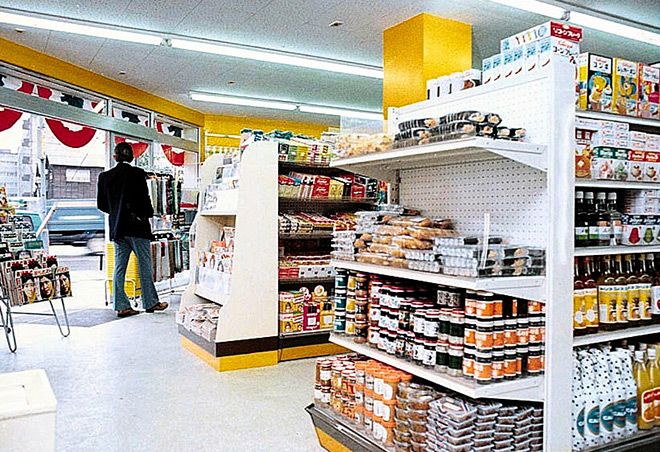
I still remember exactly how often bento appears in Japanese daily life, from school lunches to convenience stores, station food, and department store depachika. Shinjuku is a perfect place to think about that, because it's a district where speed and style constantly meet. A museum exhibition about lunch boxes fits that rhythm surprisingly well.
For learners, this is where culture and vocabulary connect neatly. The word bento is easy to remember, but the surrounding ideas are richer: obento as a polite everyday term, bako as a container, and shoku as the broader world of food and eating. Once you start noticing these words, you begin seeing Japan's food culture with sharper eyes.
The exhibition also reminds you that Japanese taste is often about balance, not excess. A good bento usually combines rice, protein, vegetables, and colour, and the box helps hold that balance in place. That's not all. It's also a lesson in restraint, order, and a kind of quiet creativity that feels very Japanese.
What I especially like is this: this is the sort of museum topic that doesn't stay in the museum. You leave thinking about your own lunch, your own habits, and the small objects that shape your day. Convinced yet?
Why this museum angle works so well for jpnerd readers
Picture this: you're in Tokyo, you've already done the big sights, and then you stumble into an exhibition about bento boxes. That's exactly the kind of everyday Japan story that gets overlooked, but it's often the most useful one for learners and fans. It's local, concrete, and easy to connect to real life.
Shinjuku History Museum's O-BENTO-BAKO exhibition also shows how museums can talk about food without turning it into a generic lifestyle piece. Here, food is history, design, and behaviour all at once. If you're building your Japan knowledge, that mix is gold, because it teaches you how objects carry memory.
My tip: when you read about exhibitions like this, watch for the little cultural clues. Is the focus on craftsmanship, family, play, or seasons? Those details often reveal more about Japan than a headline ever could. But that's not all.
Frequently Asked Questions
Where is the Shinjuku History Museum?
It is in Shinjuku, Tokyo, in one of the city's busiest and most accessible areas.
What is the O-BENTO-BAKO exhibition about?
It looks at lunch boxes as cultural objects, with attention to design, everyday use, and eating culture.
Why is bento interesting for Japanese learners?
It connects vocabulary, food culture, and daily life, so it's an easy and practical topic to remember.