That’s not just hunger talking. On a Japanese bullet train, eating becomes part of the journey, and the whole 駅弁 (ekiben, station bento) experience says a lot about how Japan turns even a simple meal into travel culture.
Shinkansen Bento and the Joy of Eating on the Move
Here's the thing: a 新幹線 (Shinkansen, bullet train) 弁当 (bento, boxed meal) isn't trying to be a fancy restaurant meal. It’s built for the ride, packed neatly, easy to eat with a tray table, and designed to stay tasty even after a little time in your bag. That practical shape is exactly why it works so well.
In Japan, train food has its own name, ekiben, short for eki bento, and it has been part of rail travel for over 100 years. The first ekiben is usually traced back to Utsunomiya Station in 1885, where rice balls and pickles were sold to train passengers. Sounds simple, but it set the tone for a whole travel tradition.
For example, a classic shinkansen bento with 唐揚げ (karaage, Japanese fried chicken) and tamagoyaki hits a sweet spot. The karaage brings that salty, juicy crunch, while the tamagoyaki adds a soft, slightly sweet balance. Add rice, maybe a little umeboshi or a few vegetables, and you get a meal that feels comforting without being heavy. Wild, isn't it?
Why the Shinkansen Makes Food Taste Better
It's early morning in Kyoto. You’ve got a reserved seat, a coffee in hand, and a bento box from the station shop. Before the train even leaves, the meal already feels different from lunch at home. The sound of the doors, the quick announcement, the first smooth acceleration, all of it adds a bit of theatre.
Compared with back home, train eating in Japan feels less casual and more intentional. People open their ekiben with care, fold the plastic wrap neatly, and keep noise to a minimum. No exaggeration: the quiet atmosphere makes each bite feel sharper, even if the food itself is something ordinary like fried chicken and egg.
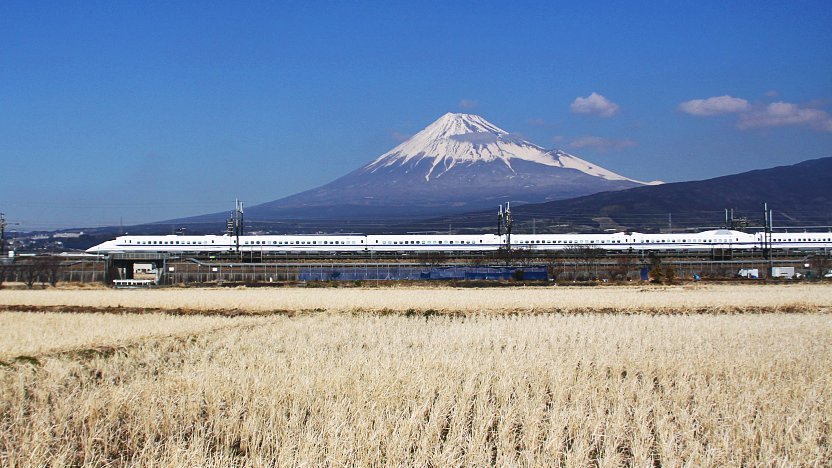
There’s also the scenery. On a shinkansen, the world outside changes fast, from city blocks to fields, then mountains, then another city. Your meal becomes tied to motion, and that makes it memorable. The same karaage you'd eat at a desk can feel almost celebratory when Mt. Fuji might appear in the distance. Personally...
The classic combo: karaage and tamagoyaki
What I especially like is how reliable this pairing is. Karaage gives you protein and punch, tamagoyaki softens the experience, and the rice keeps everything grounded. If the bento also includes tsukemono, the little sour bite wakes up your palate between mouthfuls.
In Japanese learning terms, this is a nice food vocabulary lesson too. Karaage means fried chicken, tamagoyaki means rolled omelette, and ekiben means station bento. If you learn those three words, you’ll spot them everywhere, from station platforms to travel blogs and food videos. My tip: pay attention to the menu boards in bento shops, because the same words repeat constantly.
Japanese Rail Travel Culture, Not Just a Meal Guide
Here's the deal: shinkansen bento is really about travel culture, not just eating. In Japan, the journey is often treated as part of the experience, not dead time between point A and point B. That’s why buying a bento at the station feels meaningful, even before you take the first bite.



Many stations have speciality ekiben tied to the region. Shin-Osaka might offer box meals with local flavours from Kansai, while Tokyo Station is famous for a huge ekiben market and polished packaging. On the Tokaido Shinkansen, which connects Tokyo and Osaka, the bento you choose can even become a small souvenir of where you started. For example, a box with local chicken, pickles, or seasonal ingredients tells you something about the prefecture it came from.
Pro tip: if you’re travelling with friends, each person can pick a different ekiben, then compare them on the train. That turns lunch into a mini tasting session, and you’ll remember the ride better. It’s a very Japanese kind of travel memory, quiet, orderly, and a little bit playful. From my experience...
Why bento boxes feel extra satisfying on trains
There’s a technical side too. Bento is portioned, tidy, and built around balance, so it doesn’t get messy in a moving carriage. The packaging often includes dividers that keep hot and cold items separate, and many boxes are made to be eaten at room temperature, which works perfectly on long-distance rail trips.
That matters because the shinkansen isn't a rushed environment. You sit down, the seat reclines, and the tray table gives you a proper place to eat. A simple lunch becomes a small ritual, and rituals are where Japan often shines. Even a convenience store bento can feel upgraded when the train ride itself is smooth and quiet.
Let's be honest: part of the charm is psychological. You paid for the ticket, you found your seat, and now you get to enjoy a meal while the landscape flies by. The food may be familiar, but the setting makes it feel special. This is my absolute hidden gem!
How to Enjoy Your First Shinkansen Bento
Picture this: you board the train with a bento from Tokyo Station, find your seat, and wait until the conductor finishes the first round of movement. Then you open the lid slowly, not because you have to, but because the moment deserves it. That small pause makes the meal feel bigger than it is.
If you want to enjoy the experience properly, choose a bento that holds up well at room temperature, and don’t pick something too saucy. Karaage, tamagoyaki, grilled fish, and rice all work beautifully. Avoid overly fragrant foods if the car is crowded, because Japanese train etiquette is part of the experience too. Sounds weird, but it's true.
My verdict: the magic of shinkansen bento is not about luxury, it’s about timing, movement, and atmosphere. A humble box lunch turns into a travel memory the second the train leaves the platform. And once you’ve eaten karaage and tamagoyaki on a bullet train, regular lunch can feel a little less exciting. Personally...
Frequently Asked Questions
What is a shinkansen bento?
It is a boxed meal bought for eating on a bullet train, usually designed to be easy, tidy, and enjoyable during travel.
Why is train food so popular in Japan?
Because eating on a train is part of the travel experience, and station bentos often reflect local ingredients and regional identity.
What are common foods in a classic train bento?
Karaage, tamagoyaki, rice, pickles, grilled fish, and seasonal side dishes are all very common.