Overview
Japan's bullet train secret, if we are calling it that with a straight face, is 駅弁 (ekiben, station 弁当 (bento, boxed meal)): station bentos sold for the ride, not just as a snack you grab in passing. The idea is simple enough, but the appeal is more layered than a neat little lunch box suggests. Ekiben are tied to routes, regions, packaging traditions, and that slightly peculiar pleasure of eating while the landscape changes outside the window. It is hard to be too grand about boxed rice and pickles, and yet here we are.
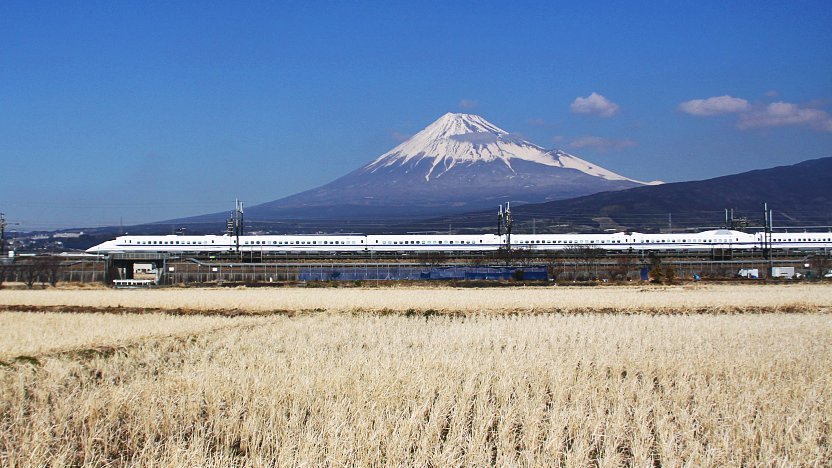
They are especially popular on 新幹線 (shinkansen, bullet train) trips because the journey has a natural rhythm to it. You board, find your seat, stash your bag, and then the train glides out with the sort of calm efficiency that makes even a modest meal feel more considered. There is a reason people talk about the experience as more than food. The ride itself is part of the flavour, if that does not sound too sentimental for a lunch box. And yes, it does sound sentimental. But the Japanese have been making practical things feel ceremonious for a very long time, and ekiben are one of the clearest examples.
For travellers, Tokyo Station is one of the great places to look. It is the eastern terminus for major shinkansen lines including Tokaido, Tohoku, Joetsu, and Hokuriku, which makes it a natural place to stock up before departure. Around the station, you will find ekiben stands and regional bento shops in shopping areas such as Gransta, Ecute Tokyo, and First Avenue Tokyo Station. One especially well-known stop is EKIBENYA Matsuri in Gransta Tokyo, which regularly carries ekiben from 北海道 (Hokkaido, northernmost main island of Japan), Tohoku, and 九州 (Kyushu, southernmost main island of Japan), plus seasonal items built around local seafood and pickles. If you want the broadest possible spread, this is the sort of place that rewards a little wandering rather than a hurried dash.
And if you want the short version of what makes ekiben culturally important, it is this: they are not just lunch. They are a compact record of place, memory, and route, wrapped up in a meal. That is why they still matter, even in an age when you can get almost anything almost anywhere. A proper ekiben is a tiny edible postcard, and Japan has been sending them for a very long time.
What makes ekiben worth the detour
Ekiben means a bento meal sold at a station, but that definition undersells the thing a bit. The stronger version is this: ekiben are a form of travel food shaped by local identity. They often reflect regional recipes, local ingredients, and packaging traditions that tell you exactly where they come from, even before you open the lid. That sense of place matters. A box from one station might lean on seafood, another on mountain vegetables, another on beef, and another on old-fashioned comfort food with the sort of quiet confidence that never needs announcing.
The famous appeal is partly nostalgia, of course, but not the cloying kind. It is the nostalgia of routines that still work. You buy a meal for the journey, sit down, and open something that has been designed for that exact moment. The train is moving, the scenery is shifting, and your lunch is already doing the job. It is a deeply Japanese kind of practicality, which is to say it is practical, but with better packaging and a stronger sense of occasion.
That is why Tokyo Station matters so much in ekiben culture. It is a major hub where rail travel and food retail overlap in the neatest possible way. If you are changing lines, starting a long-distance trip, or simply want to browse the shelves like a determined tourist with a plan, the station gives you plenty of options. You do not need to treat it like a culinary pilgrimage, though that is absolutely allowed. Just be ready to choose faster than you expect, because the good boxes do not sit around waiting for anyone.
The eight foods that define the ride
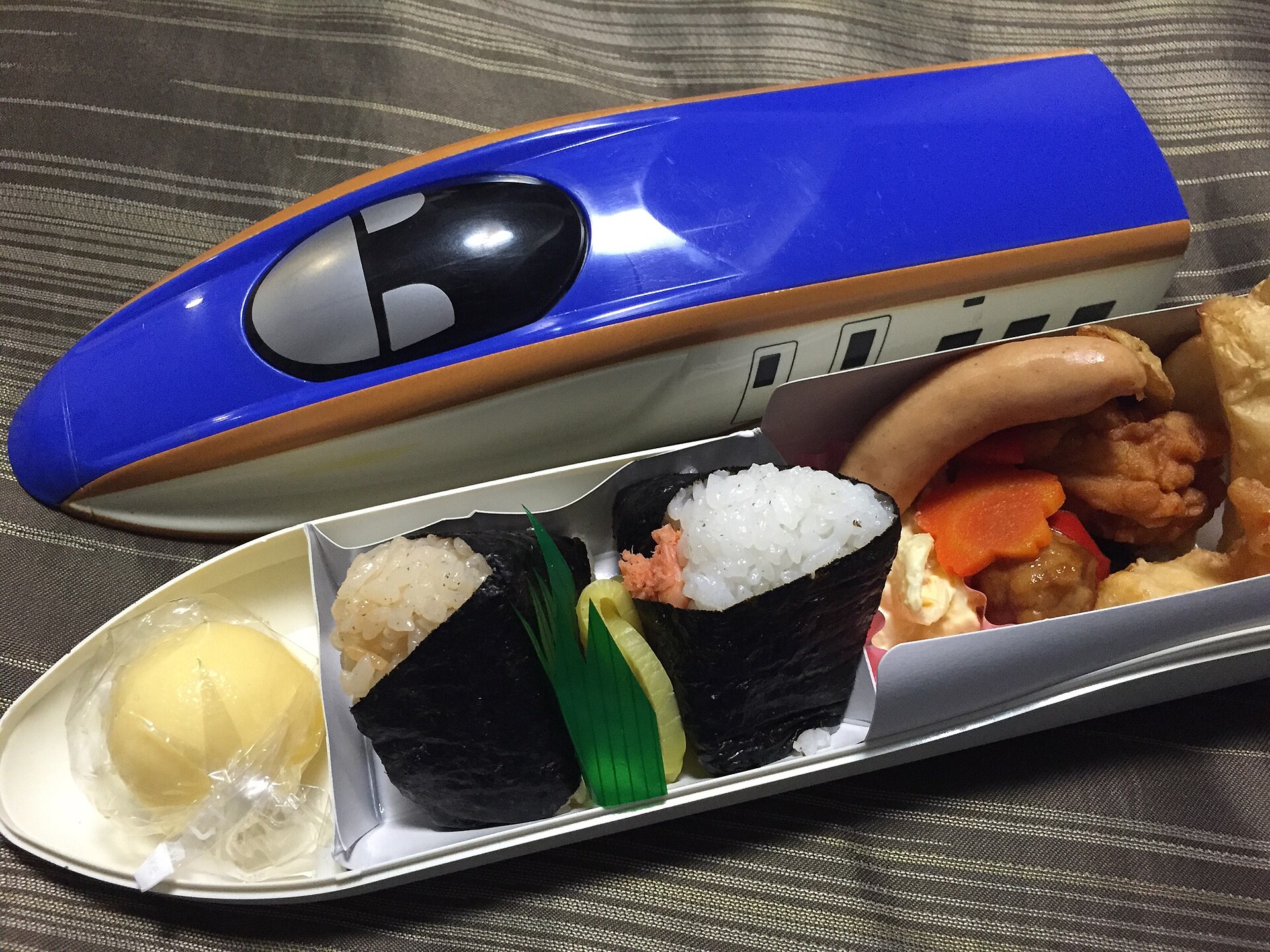
So what should you look for? The classic combinations are reassuringly straightforward, which is part of their charm. The most familiar shinkansen-bento spread includes 唐揚げ (karaage, Japanese-style fried chicken), 玉子焼き (tamagoyaki, rolled omelette), rice, pickled vegetables, and sometimes potato salad. That mix works because it handles the practical reality of train travel: it is easy to eat, balanced enough to feel like a proper meal, and sturdy enough not to collapse the moment the train takes off. Karaage gives you the savoury crunch, tamagoyaki brings sweetness and softness, and the rice does what rice does best, which is to be quietly indispensable.
- Karaage - fried chicken that stays satisfying even after a bit of travel.
- Tamagoyaki - the rolled omelette that gives ekiben their familiar, slightly celebratory feel.
- Rice - plain, reliable, and usually the anchor of the whole box.
- Pickled vegetables - the sharp, salty counterpoint that keeps the meal lively.
- Potato salad - not always present, but welcome when it appears.
- Curry - particularly useful for longer rides, and often the heart of a more filling box.
- Seafood - from scallops to grilled mackerel, often tied to specific regions.
- Beef - including 和牛 (wagyu, Japanese beef) in some curry ekiben, because Japan was never going to be subtle about making train food excellent.
Curry ekiben deserve special mention because they travel well and stay warm, which is exactly the sort of detail that makes them sensible rather than flashy. Some versions use local beef or seafood, including wagyu beef curry, which is the kind of thing that makes a long ride feel almost absurdly civilised. Premium ekiben also often feature seafood such as Hokkaido scallops or grilled mackerel from Sanriku, and they are sometimes sold in limited runs at places like Gransta or EKIBENYA Matsuri. In other words, if you enjoy the idea of a lunch box with a regional accent, this is where things become properly interesting.
There is also a small but important truth here: the best-known ekiben pairings are often the simplest. Karaage and tamagoyaki, in particular, are highlighted as a particularly popular combination. It makes sense. One is savoury and crisp, the other soft and lightly sweet, and together they are as dependable as a reserved seat and a punctual departure. Which, in Japan, is no small compliment.
Why Tokyo Station is the place to start
If you are trying ekiben for the first time, Tokyo Station is hard to beat. You are at the junction of major lines, which means the station naturally draws travellers from all over. That creates the right sort of chaos: enough foot traffic to keep the counters lively, enough variety to make browsing worthwhile, and enough regional selection to remind you that Japan is much bigger, more diverse, and more edible than the platform map suggests.
The obvious strategy is to allow time before departure. That sounds dull, but it matters because the best ekiben shopping is not done in a panic. You want a moment to look over the selections, compare a seafood box with a meat-heavy one, and decide whether you are in the mood for something classic or something with a bit more regional character. Tokyo Station’s Gransta, Ecute Tokyo, and First Avenue Tokyo Station are all part of the wider ekiben landscape, and each gives you a slightly different way to browse. EKIBENYA Matsuri, in Gransta Tokyo, is especially useful if you want a broad, rotating range without having to wander too far from the railway itself.
There is also a lovely little irony in the whole setup. The station is a transport hub, but for a lot of people it becomes a food destination in its own right. You may have come for the train, but the bentos are what stick in the memory. That is not a complaint. Far from it. Sometimes the most memorable part of getting somewhere is the lunch you had on the way.
How to choose the right box for your trip
My advice is to think about the length of the journey, the time of day, and how hungry you actually are, which is the sort of profoundly unromantic planning that saves regret later. For a shorter shinkansen ride, a lighter box with karaage, tamagoyaki, rice, and pickles is usually enough. For a longer run, a curry ekiben or a seafood-heavy premium box gives you a bit more substance and, if you are lucky, a proper sense of occasion. If you are travelling with a friend, this is also one of the rare moments when indecision can be productive. Buy two different boxes and compare notes like the deeply serious amateurs we are.
And do not overlook the packaging. Ekiben often come with designs that reflect local identity, route-specific themes, or seasonal ingredients, and that is part of the pleasure. The box is not just a container; it is the introduction. A good ekiben tells you where it belongs before you have taken a single bite. A slightly overambitious one may try to do too much, but that is part of the fun. We all contain multitudes, apparently, and so do lunch boxes.
If you want to dig deeper into the broader culture behind these meals, the history matters just as much as the food itself. Station bentos have been around long enough to become part of the railway experience rather than an accessory to it. That longevity explains why a shop with nearly 100 years of business can still feel relevant today. Tradition survives in Japan not by being frozen, but by being eaten. Sensible, really.
Why the experience matters beyond the meal
There is a small but persistent magic in eating on a shinkansen. It is not that the food changes fundamentally. It is that the setting changes what the meal means. On the platform, at home, or in a café, you would just be having lunch. On the train, the meal becomes part of the journey, a moment suspended between departure and arrival. That is why ekiben remain so appealing, even to people who have seen enough bento boxes to last several lifetimes.
The appeal is practical, cultural, and emotional, though I realise emotional may sound like a strong word for a boxed lunch. Still, when a meal is tied to a route, a station, a region, and a way of moving through the country, it becomes more than fuel. It becomes a little record of how Japan travels. And if you happen to be standing in Tokyo Station with a warm curry box in hand and a train due in ten minutes, that record can feel surprisingly elegant.
For readers who want one last pointer, I would start with Tokyo Station, look for a mix of classic and regional boxes, and keep an eye out for limited-run seafood or curry options. If you want a broader guide to choosing your lunch for the rails, Tokyo Station ekiben shopping is the obvious first stop, while the station itself remains the most reliable place to experience the culture in one place. And if you are the sort of person who likes your travel food with a bit of historical weight, the wider shinkansen bento tradition is exactly the kind of detail that makes a trip feel properly Japanese, in the best possible sense.
Where to experience it in Japan
The simplest answer is: at major railway stations, especially Tokyo Station, where the choice is broad and the pace is brisk. Gransta Tokyo, Ecute Tokyo, and First Avenue Tokyo Station all offer good hunting grounds for ekiben stands and regional bento shops. EKIBENYA Matsuri in Gransta Tokyo is especially well known for rotating selections from across the country, which makes it useful if you want to compare Hokkaido seafood with Tohoku specialities and Kyushu boxes without crossing half of Japan on foot. A noble ambition, but not necessary.
For the full experience, buy the bento shortly before boarding, then eat it on the shinkansen while the city gives way to suburbs, then fields, then whatever comes next. That is the point. The food is good, the setting helps, and the combination is what turns something ordinary into something memorable. Which is, frankly, a fairly decent trick for a lunch box.
Frequently Asked Questions
What is an ekiben?
An ekiben is a bento meal sold at a station. In Japan, it is strongly tied to train travel and especially popular on shinkansen trips.
Where is the best place to buy ekiben in Tokyo?
Tokyo Station is one of the best places, with ekiben stands and regional bento shops in Gransta, Ecute Tokyo, and First Avenue Tokyo Station.
What foods are common in a classic shinkansen bento?
A classic combination includes karaage, tamagoyaki, rice, pickled vegetables, and sometimes potato salad.
Are there premium or regional ekiben options?
Yes. Premium ekiben can feature seafood such as Hokkaido scallops or grilled mackerel from Sanriku, and some are sold in limited runs at places like Gransta or EKIBENYA Matsuri.
Why is eating ekiben on a shinkansen so popular?
Because the train creates a calm in-between travel moment, and the meal becomes part of the journey rather than just food at the station or at home.