
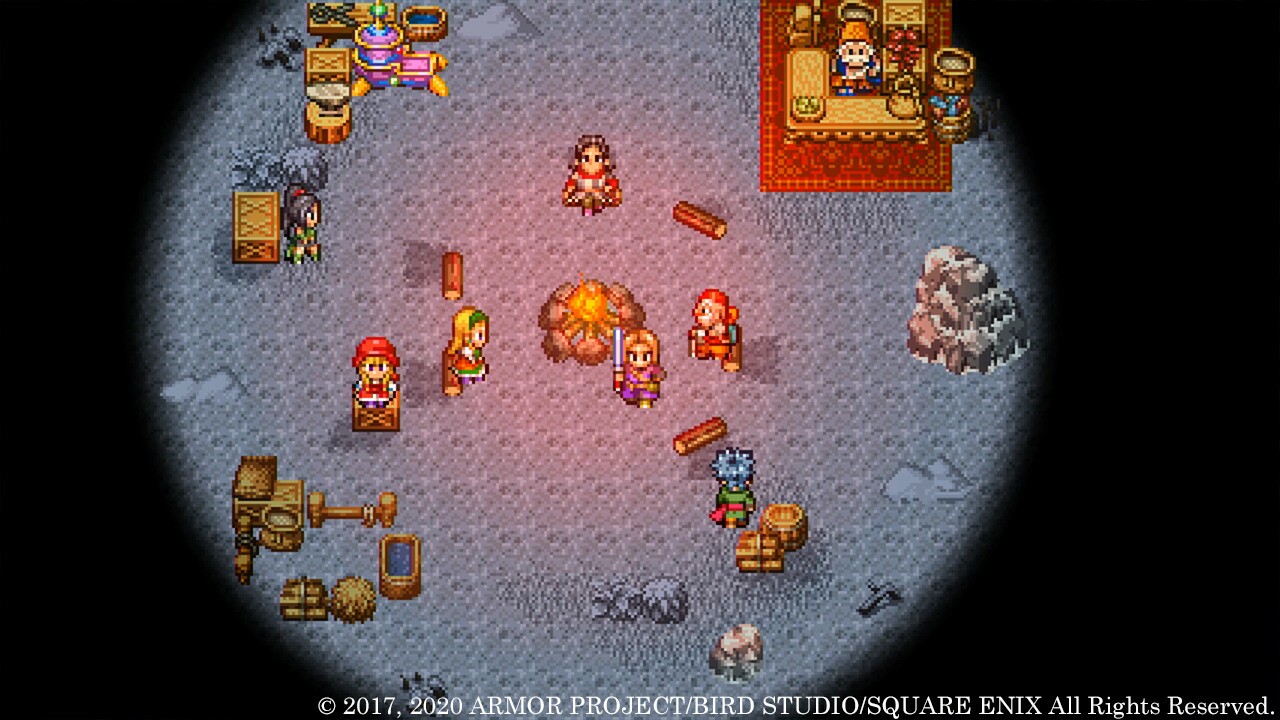
Square Enix has also put a date on the calendar, 15 April 2026, so this isn’t just another vague teaser. If you’re into Japanese game news, this is exactly the kind of announcement that lands with a bit of extra weight. Convinced yet?
![Dragon Ball Z: Kakarot [Master Edition]](https://s.pacn.ws/1/p/1eh/dragon-ball-z-kakarot-master-edition-908785.1.jpg?v=t8ja8t&width=400)
Dragon Quest Smash/Grow and Square Enix: a new JRPG headline
Dragon Quest Smash/Grow is the kind of announcement that makes JRPG fans sit up straight. Square Enix has introduced a fresh chapter in one of Japan's most recognisable game series, and the timing feels smart too, because the Dragon Quest brand still carries serious cultural pull in Japan.
The opening trailer is doing a lot of the heavy lifting here. It doesn’t just show off monsters and battle flashes, it reminds people why Dragon Quest has always worked: simple readability, bold visuals, and that cosy sense of adventure that feels almost like a summer 祭り (matsuri, festival) in game form. Sounds odd, but it’s true.
For Japan fans, this matters beyond the game itself. Dragon Quest is one of those series that shows up everywhere in Japanese culture, from convenience store tie-ins to talk shows and collector chatter. If you’re learning Japanese, this is a nice reminder that words like キャラ (kyara, character), コンボ (konbo, combo), and ストーリー (sutorii, story) often pop up in game coverage, and they can help you follow fandom discussions faster. See what I mean?
The opening trailer and what it suggests
Let me show you why the opening trailer matters so much. A trailer isn’t just a pretty video, it’s Square Enix’s first statement about tone, pacing, and audience. With Dragon Quest Smash/Grow, the visual language leans towards action, impact, and lively movement, which suggests the game wants to feel more immediate than a slow, traditional turn-by-turn showcase.
Why trailer language matters in Japanese game news
Japanese game announcements often reveal a lot through tiny details. The music choice, the monster designs, the way a hero enters battle, all of that tells seasoned fans what the team wants to emphasise. In this case, the word smash in the title already hints at force and momentum, while grow points towards progression and development, a very Dragon Quest kind of balance between fun and growth.
That brings us to the bigger point: Square Enix knows how to package nostalgia without making a project feel stuck in the past. The trailer seems built to speak to long-time Dragon Quest players, but also to newer fans who might have come in through mobile gaming or modern action-RPG habits. Personally, I like that approach. It keeps the series alive without turning it into a museum piece.
15 April 2026: the date fans should mark
Here’s the kicker: Square Enix has set 15 April 2026 as the key date. That gives fans something concrete, and concrete dates matter in JRPG news because delays and vague windows are so common. Once a game has a real launch day, the whole conversation changes, from speculation to countdown mode.
To be fair, April is also a strong release period for this kind of game. It sits right at the start of a new Japanese business and school year, which means fresh attention, fresh marketing, and a naturally busy entertainment calendar. If you’re following Japanese media, you’ll know how often spring becomes the launchpad for new projects, especially those Square Enix wants to keep visible for months.
The reason is simple: a dated release makes the fandom more active. Fans start analysing every frame, comparing the style with past Dragon Quest entries, and guessing how much of the game will feel traditional versus new. And for learners, that’s a great moment to practise reading headlines, dates, and release language in romaji-heavy Japanese coverage. 15 April 2026 is the kind of number you won’t want to miss. Convinced yet?
Why Dragon Quest still hits so hard for Japan fans
The first time I went to Japan, I noticed how game culture doesn’t just stay online, it spills into everyday life. Dragon Quest is one of those names that feels instantly familiar, even to people who don’t play everything in the series, and that’s part of the magic here. Square Enix is leaning on a brand that already has trust, memory, and emotional shorthand behind it.
Imagine a narrow alley in Tokyo. You pass an arcade, a family restaurant, and a small shop window with game merch in it. Dragon Quest belongs in that landscape, because it has always felt both playful and deeply Japanese in its own way, with clear heroes, charming monsters, and a sense of adventure that’s easy to recognise. Classic Japan, isn’t it?
What I especially like is how this kind of news gives Japanese learners a practical doorway into the fandom. You can pick up words like 新生 (shinsei, rebirth; new beginning), 発売 (hatsubai, release; on sale), 予告 (yokoku, preview; announcement), and リリース (riraisu, release) from game articles, then see them used across other entertainment news too. My tip: follow a trailer release with the Japanese official announcements, then compare the phrasing. You’ll get used to the rhythm of Japanese media much faster that way. Seriously though, that habit pays off.
Dragon Quest Smash/Grow isn’t just another Square Enix headline. It’s a reminder that Japan's biggest game series still knows how to create noise, spark discussion, and make fans circle a date on the calendar. If the opening trailer is any sign, this next chapter could end up being one of the more talked-about JRPG stories of 2026. See what I mean?
Frequently Asked Questions
What is Dragon Quest Smash/Grow?
It is a new Dragon Quest game announced by Square Enix, with an opening trailer and a confirmed release date.
When is Dragon Quest Smash/Grow releasing?
Square Enix has set the release date for 15 April 2026.
Why are fans paying attention to this announcement?
The Dragon Quest name carries huge weight in Japan, and the trailer suggests a fresh direction for the series.
