
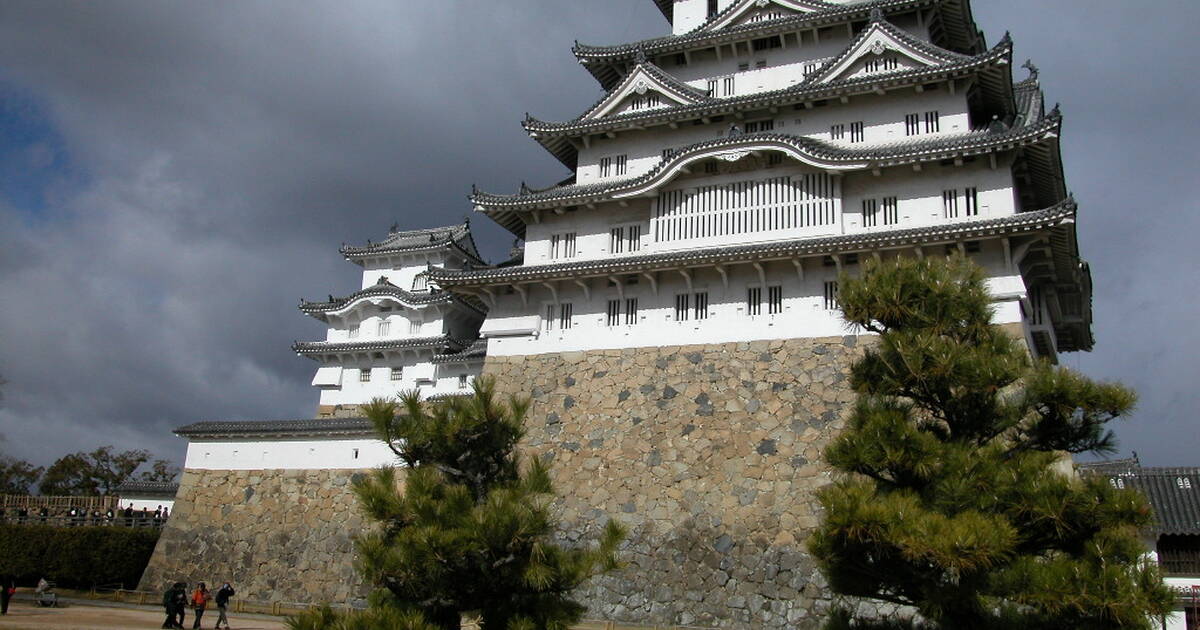
If you're planning a Japan trip, this is one of those places that feels even better in real life than in photos. Wild, isn’t it?
Himeji-jo and the legend behind Japan's White Heron Castle
What many people overlook is that Himeji-jo isn't just a pretty postcard castle, it's one of Japan's most important surviving feudal structures. Built in its current grand form mainly between 1601 and 1609 under Ikeda Terumasa, then expanded in the early Edo period, the complex has 83 buildings, all connected by a maze of gates, walls, and narrow paths.
The nickname White Heron Castle comes from the dazzling plaster exterior, which gives the whole keep a pale, elegant look. The comparison to a white heron, or 白鷺 (shirasagi) in romaji, fits perfectly, because the main keep seems to rise lightly above the stone base, almost as if it isn't heavy at all. Sounds weird, but it's true.
Why Himeji, Hyogo, belongs on your Japan trip
Compared to back home, many castles are reconstructed or heavily modernised, but Himeji-jo still feels like a deep historical site. It was first fortified in the 14th century, later rebuilt by powerful lords, and in 1993 it became one of Japan's first UNESCO World Heritage Sites, alongside places like Horyu-ji. That status isn't just a label; you can feel the age in the stone steps, the gates, and the long defensive corridors.
Himeji itself is easy to reach, which makes the castle a smart day-trip stop. From Osaka or Kyoto, the 新幹線 (shinkansen, bullet train) ride to Himeji Station is quick, and from there it's a straightforward walk or bus ride to the castle grounds. For travellers building a classic Kansai route, this is one of the easiest major sights to fit into a packed itinerary.
Guess what? The castle also works beautifully as a first big historical stop for Japan fans who aren't deep into 侍 (samurai, warrior) history yet. You don't need a specialist tour to enjoy it, because the visual impact does a lot of the talking. Personally, I think that's part of the magic.
Architecture details that make Himeji-jo stand out
Let me show you why Himeji-jo feels different from other famous castles in Japan. The complex uses a layered defensive design, with long approaches, hidden turns, and openings meant to confuse attackers. The main keep, or 天守 (tenshu), sits at the centre, but the journey there matters just as much as the view from the top.
What to look for on site
The best part is the stone walls, called 石垣 (ishigaki), which are worth a close look because their curves and angles change as you move through the grounds. Then there are the rooflines, which stack in a way that makes the keep seem lighter and taller than it really is. For example, the white plaster isn't just decorative, it also helped protect the wood against fire.
While we're at it, if you like architectural photography, Himeji-jo gives you endless angles. The best classic shot is from the approach road, with the castle framed by trees, but don't stop there. Try the western side of the grounds, the outer moats, and the view from the castle plaza at different times of day, because the light changes the mood completely. My tip: go early in the morning for softer shadows and fewer people. Convinced yet?
Inside the keep, the atmosphere is more austere than many first-time visitors expect. It's mostly wood, stairs, and open rooms, with displays that explain the defensive features and the role of the castle in the Tokugawa era. You won't find flashy interiors here, and that's exactly why it works.
Best photo spots, season tips, and visitor feel
I still remember exactly how the castle looked in spring, with pale blossoms around the moat and the white walls almost glowing behind them. 桜 (Sakura, cherry blossoms) season is famous for a reason, but autumn is just as strong, with red and gold leaves sharpening the contrast against the white facade.
For example, if you want the most iconic travel shot, stand near the outer grounds where the keep rises over open space and trees. In clear weather, the sky can be a strong blue backdrop, and the castle really pops. On overcast days, the mood turns softer, which some photographers actually prefer. Sounds good, right?
What most people don't know is that Himeji-jo was carefully restored over the decades, especially after damage and ageing issues, so what you see today is the result of serious conservation work. That makes the visit feel even more impressive, because you're not just looking at an old building, you're looking at a carefully protected national treasure. The reason is simple: Japan takes heritage preservation very seriously, and Himeji-jo is one of the best examples of that mindset.
If you're into Japanese learning, this is a great place to pick up practical words too. Try using tenshu for the main keep, 城 (shiro) for castle, and tori for gate when you read signs or guidebooks. Small vocabulary wins like that make travel feel more connected, and they stick better when you can point to the real thing.
Himeji-jo is one of those places that combines myth, design, and travel convenience in a way that feels almost unfair to other sights. If you're building a Japan itinerary and want one castle that truly earns its fame, this is my absolute hidden gem! Personally...
Frequently Asked Questions
How long should I plan for a visit to Himeji-jo?
Most visitors spend 2 to 3 hours at the castle and surrounding grounds, longer if they enjoy photography or want a slower pace.
Is Himeji-jo easy to fit into a Japan trip?
Yes, it is one of the easiest major castle visits from Osaka or Kyoto, especially as a day trip by train.
Why is Himeji-jo called the White Heron Castle?
The name comes from its bright white exterior and graceful shape, which resemble a heron taking flight.


