For Japan fans and language learners, this is also a neat reminder of how game brands like bihozyu and 新製品 (shinseihin, new product) become part of everyday pop culture talk. And yes, there’s a lot to like here.
![Dragon Ball Z: Kakarot [Master Edition]](https://s.pacn.ws/1/p/1eh/dragon-ball-z-kakarot-master-edition-908785.1.jpg?v=t8ja8t&width=400)


Capcom's record year: why the numbers keep climbing
Capcom has been on a wild run, and the latest results make that impossible to ignore. In its fiscal year ending 31 March 2024, the company posted net sales of 152.4 billion yen and operating profit of 57.1 billion yen, both record highs. That isn't a lucky spike, it’s the result of a system that keeps working.
Here’s the thing: Capcom is based in Osaka, and the company has spent decades building a catalogue that can be refreshed again and again. Fans know the big names, Resident Evil, Monster Hunter, Street Fighter, Mega Man, but the real magic is how these brands keep finding new audiences. My tip: if you want to understand modern Japanese game publishing, Capcom is one of the best case studies around.
Basically, Capcom does not rely on a single launch window. It uses catalogue sales, remakes, DLC, digital distribution, and long-running live interest to keep revenue flowing. That means a game from years ago can still matter today, especially if the name on the box is strong enough.
Resident Evil is still the star of Capcom's success
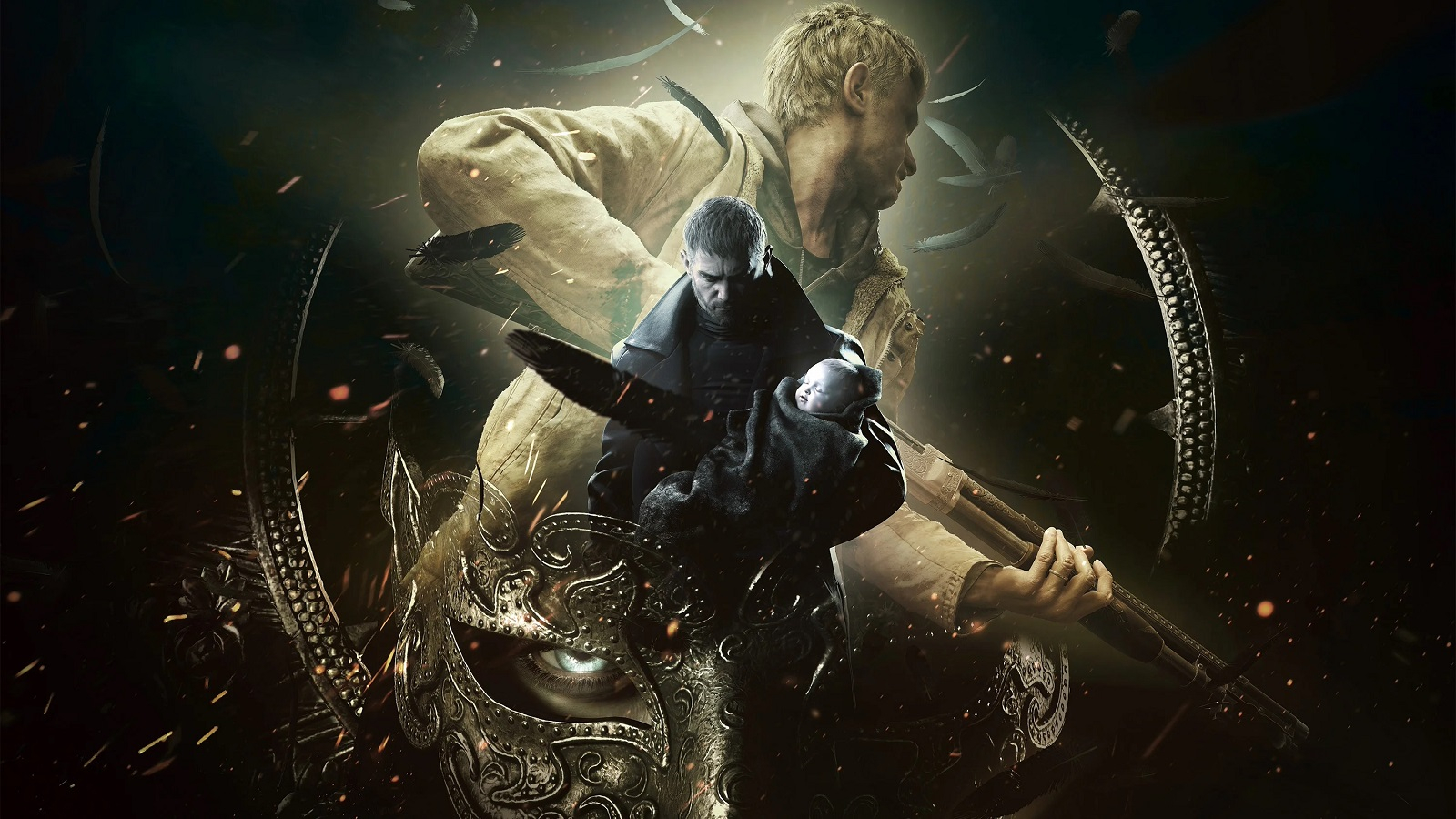
Resident Evil is the most obvious reason Capcom keeps breaking records. The series has sold more than 157 million copies worldwide, and recent entries have shown that the brand still works across different styles, from full remakes to new mainline releases. Resident Evil 4, released in 2023, was a huge part of that story, and older titles kept moving too.
Fun fact: Capcom’s remake strategy is one of the smartest things in Japanese game business right now. Instead of letting older hits sit in the archive, the company rebuilds them with modern visuals and controls, then sells them to newcomers and longtime fans alike. That’s why Resident Evil 2 Remake, Resident Evil 3 Remake, and Resident Evil 4 Remake all became major talking points.
Why Resident Evil still hits so hard
The best part is that Resident Evil works because it has a clear identity. You get survival horror, tense pacing, memorable monsters, and that distinct Japanese flair for style under pressure. Even when the setting shifts, from Raccoon City to Europe-inspired locations, the series keeps its signature mood.
For Japanese learners, this is a nice place to pick up a bit of gaming vocabulary too. Words like サバイバルホラー (saibaibaru horaa, survival horror), リメイク (riremake), and daiju hin mean something specific in fan conversations, and you’ll hear them often in Japanese game media. By the way, that kind of vocabulary sticks faster when it’s tied to a franchise you already care about.
And it gets better: Capcom also knows how to market nostalgia without making the brand feel stale. The company gives fans polished versions of familiar stories, then uses that renewed attention to push the whole franchise forward. Sounds simple, but plenty of publishers still get this wrong.
Capcom's formula works across multiple franchises
No joke: Resident Evil is huge, but Capcom's record year is not a one-franchise accident. Monster Hunter remains one of the strongest action series in Japan, with Monster Hunter: World having sold over 25 million copies and Monster Hunter Rise also performing strongly across Nintendo Switch and PC. That kind of scale gives Capcom a second engine, not just a backup plan.
Street Fighter 6 also helped keep the brand loud in the fighting game scene. Released in 2023, it won praise for its online stability, tutorial tools, and broader appeal to newer players. Before I forget, that matters because fighting games can be brutally hard to grow, and Capcom managed to make the series feel welcoming again.
Then there is the catalogue effect. Mega Man, Devil May Cry, Ace Attorney, and even older niche titles all add value when digital sales and discount events keep them visible. Capcom does not need every brand to be at the level of Resident Evil, it just needs enough of them to stay alive in the market. Personally, I think that’s the company’s most impressive trick.
What Capcom gets right in Japan and abroad
Picture this: a Japanese company that respects its legacy, but still edits it for global players. That’s Capcom in a nutshell. Its games often travel well because the core ideas are clear, the characters are memorable, and the production values keep rising.
That’s why Capcom feels so relevant to Japan fans outside Japan too. You can see how Japanese design priorities, polish, rhythm, and character identity, become part of a worldwide conversation. If you enjoy learning Japanese through games, Capcom is packed with useful cultural clues, from horror storytelling to tournament culture. Highly recommended.
Why this record year matters for Japanese fans
Capcom’s record year is not just a business headline, it’s a sign that long-term brand building still works. The company has shown that Japanese publishers can grow by staying consistent, not by chasing every trend. That combination of old-school trust and modern execution is rare.
For readers on jpnerd.com, the lesson is pretty clear. If you follow Japanese media, it helps to watch how companies like Capcom handle series names, remake cycles, and audience expectations. Those patterns show up everywhere, from games to anime to merchandise drops at places like Akihabara.
Before I forget, this is also a good reminder that Japanese pop culture often rewards patience. A brand can go quiet, return in a new form, and suddenly feel bigger than before. Capcom has turned that into an art form.
And it gets better: the company’s next moves will matter even more because expectations are now so high. If Resident Evil continues to perform, if Monster Hunter keeps pulling in players, and if Street Fighter keeps its current energy, Capcom’s momentum probably won’t slow down anytime soon. That’s the kind of streak fans love to follow.
For Japan fans and learners, it’s a great moment to pay attention, not just to the games, but to the words, the branding, and the culture around them. more Japan news on jpnerd.com
Frequently Asked Questions
Why is Capcom having such a strong year?
Capcom is benefiting from strong sales across Resident Evil, Monster Hunter, Street Fighter, and its back catalogue.
Which franchise is driving the most attention?
Resident Evil is the biggest standout, especially thanks to remakes and continued global interest.
Does Capcom rely on new releases only?
No, catalogue sales, remakes, and digital distribution are a big part of the company’s success.