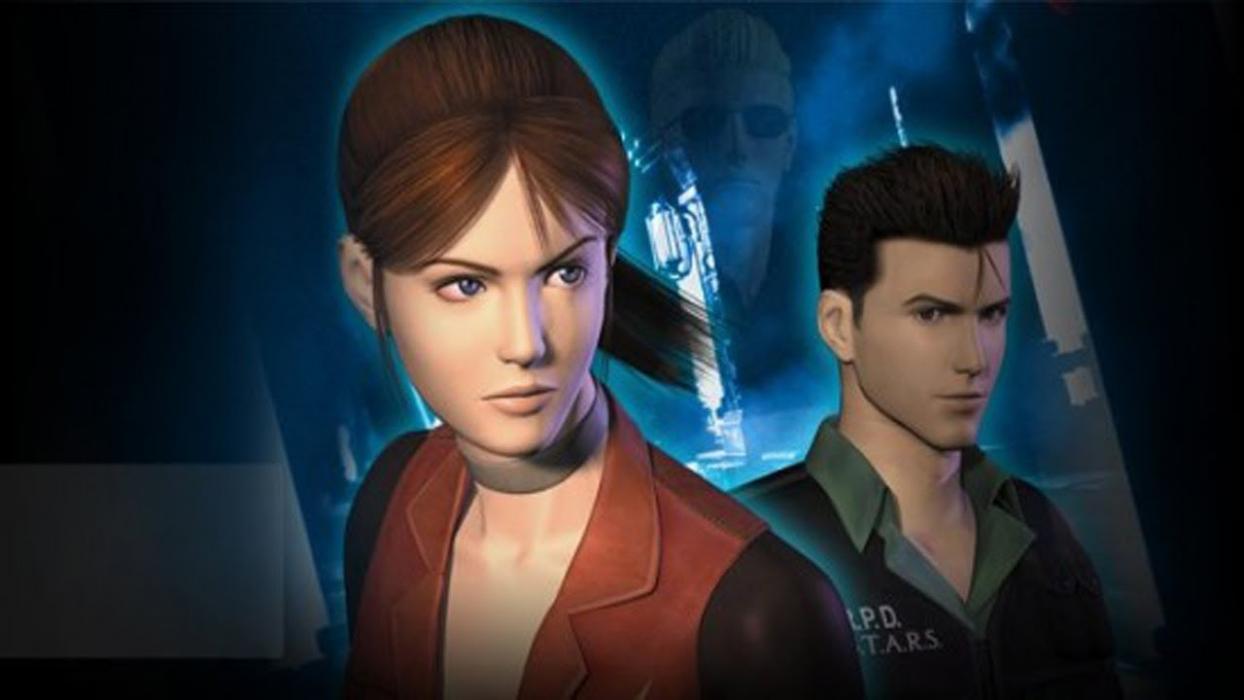
Know that feeling when a remake rumour suddenly sounds a lot more serious than the usual fan wish-list chatter? That’s the mood around Resident Evil Zero right now, because the latest reports point to a rebooted development process at Capcom and possibly a new creative direction. For people who follow Japanese game news, this is one of those stories where the details matter, because Capcom doesn’t usually keep a project alive unless it sees long-term value. Personally, that makes this one worth watching closely.



Resident Evil Zero remake rumours are back on the board
Resident Evil Zero first launched on Nintendo GameCube in 2002 in Japan, then reached wider audiences in 2003. It later got an HD remaster in 2016, which means the game already has a modern version, but not a full remake in the style of Resident Evil 4 or the Resident Evil 2 remake. No wonder, because Capcom has turned the Resident Evil brand into one of its biggest revival machines, and fans now expect more than simple upscaling.

The latest report, shared by a trusted insider and picked up by Level Up, says the project has apparently been restarted. That usually means one of two things: either the first version didn’t work, or Capcom decided the original concept wasn’t ambitious enough. Hand on heart, in Japanese game development, a reset isn’t always bad news, because it can be the moment a project stops feeling like a safe remake and starts becoming something with a stronger identity. Sounds good, right?
What a rebooted development cycle could mean at Capcom
Let’s be honest: when a remake gets rebooted, fans immediately think trouble. But in Capcom’s case, a restart can also signal a bigger plan, especially if a new team has stepped in. The report suggests that a different internal group is now handling the game, and that detail matters a lot, because Capcom has several teams with different strengths, from action-heavy design to slower horror pacing. A great example is the company’s recent Resident Evil remakes, which all had distinct tones, yet each one still felt polished and commercially confident.
A new team can change the whole feel
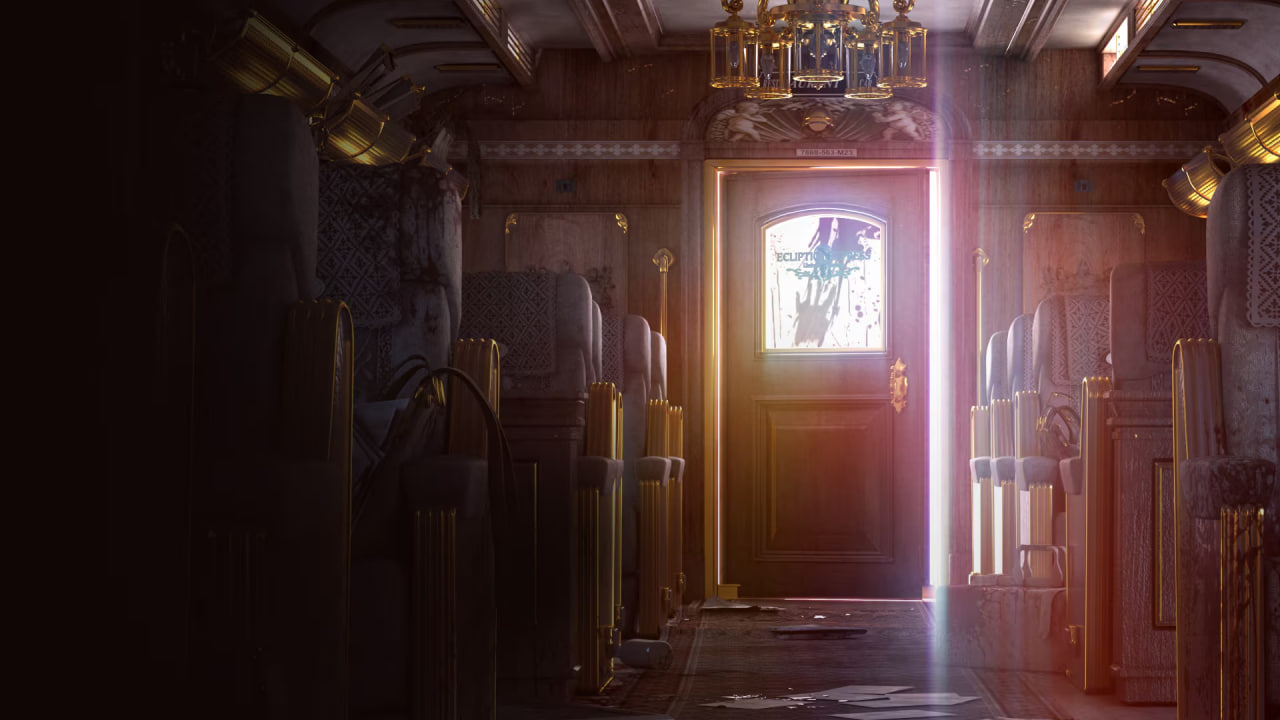
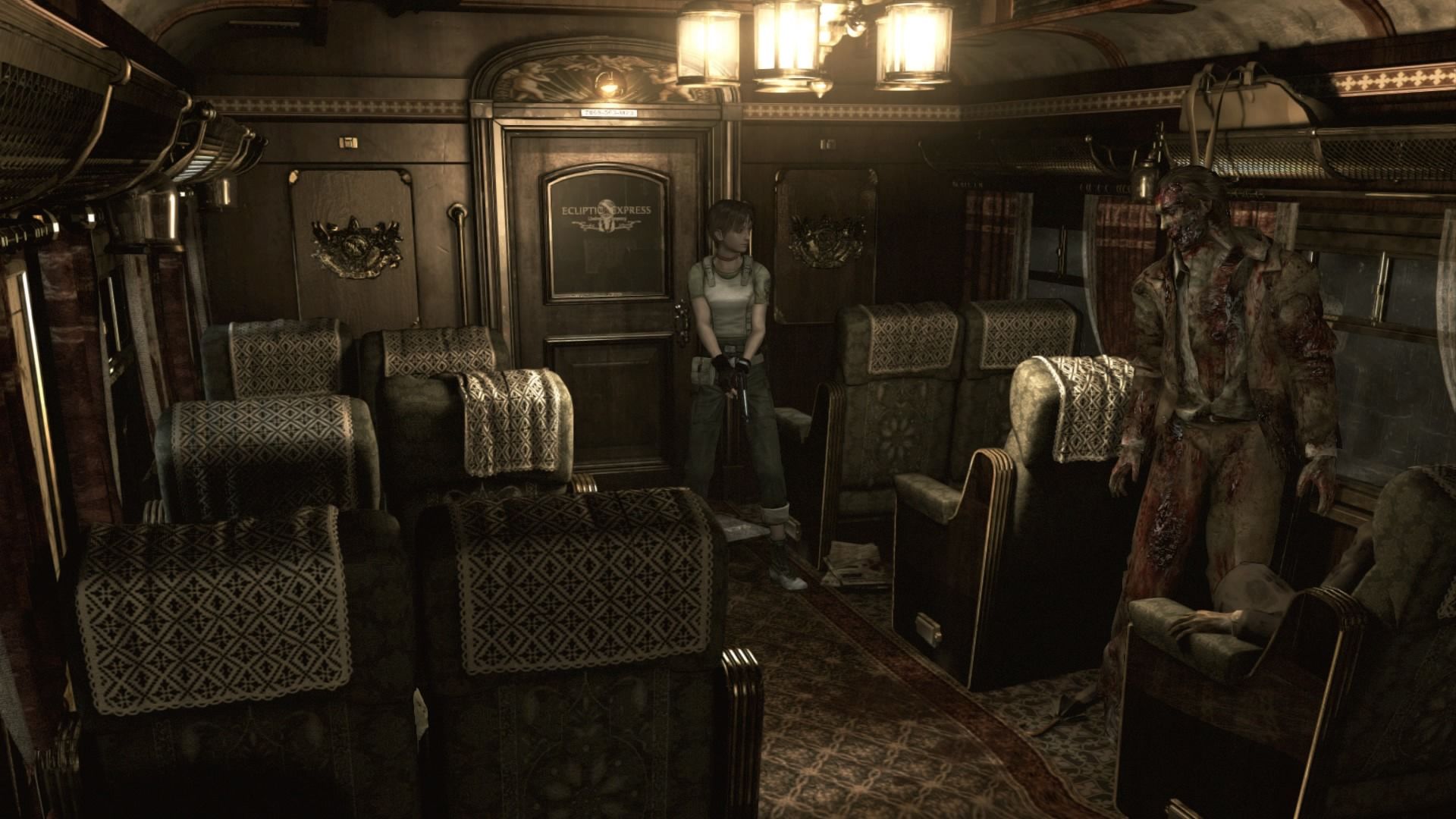
Compared with back home, where a remake often means “same game, prettier graphics”, Japanese studios sometimes use the word as a springboard. They’ll keep the core idea, then rebuild systems, pacing, and even character emphasis. If Capcom really handed Resident Evil Zero to a fresh team, we could see changes in camera work, partner mechanics, inventory design, or how the train-and-laboratory structure is reimagined. Classic Japan, isn’t it?
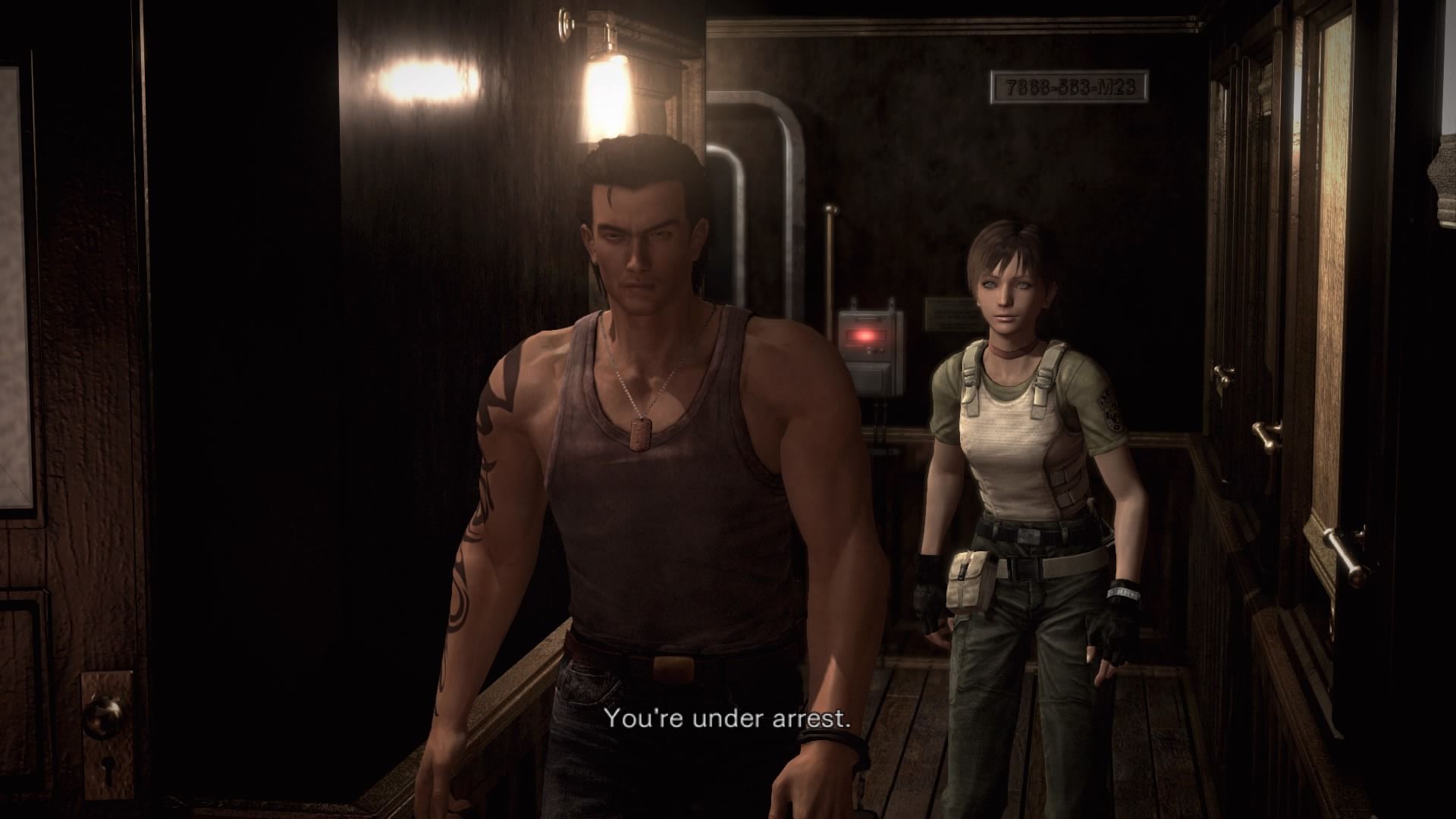
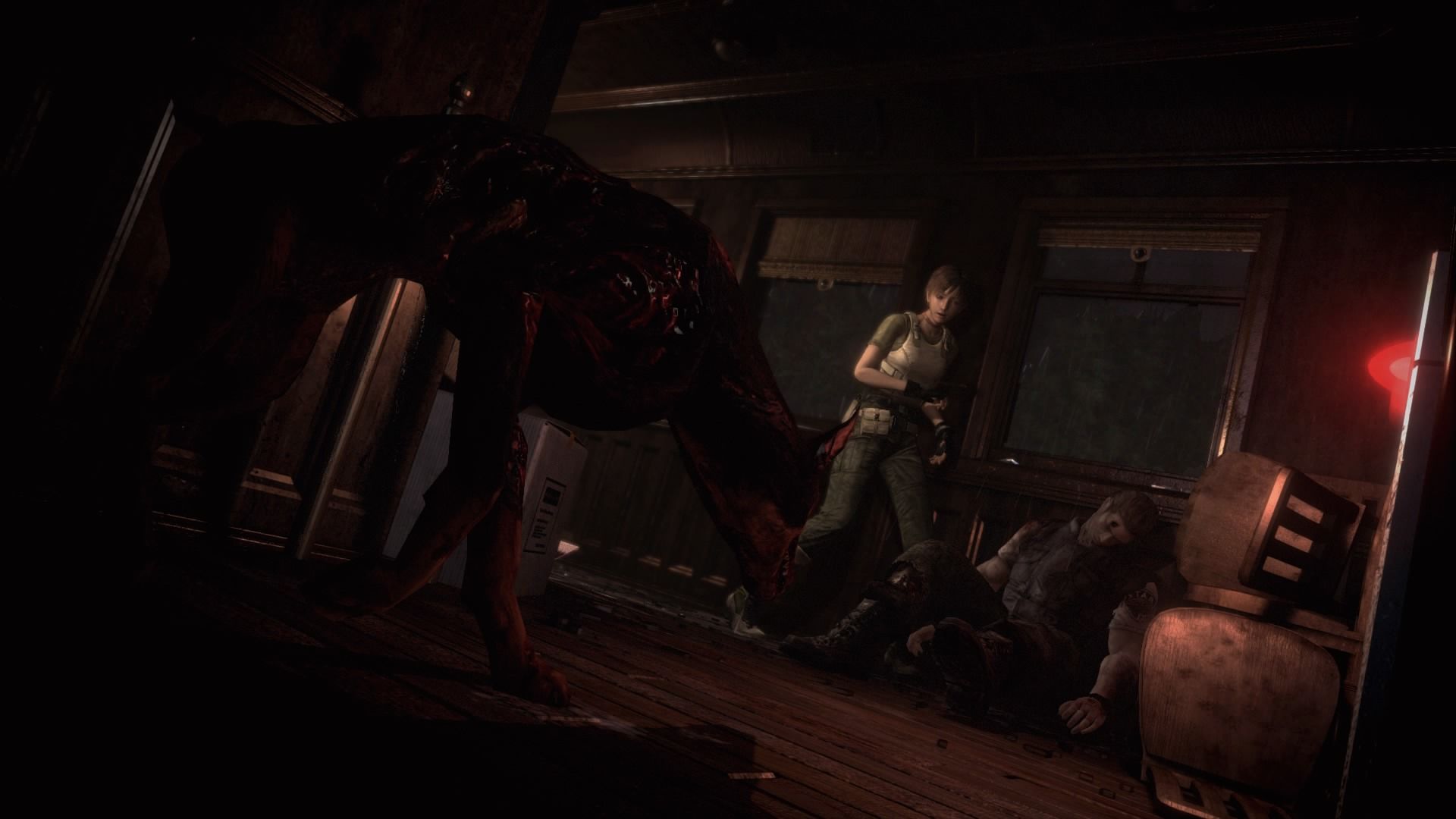
Trust me on this one: Capcom has already shown it’s willing to modernise old Resident Evil entries in ways that go beyond nostalgia. Resident Evil 4 wasn’t just a shiny coat of paint; it rebalanced combat, tone, and pacing. A rebooted Resident Evil Zero could get the same treatment, especially because the original game’s dual-character system, Rebecca Chambers and Billy Coen, is very different from the modern over-the-shoulder style fans know today. If the team wants to make that mechanic feel smoother, a restart actually makes sense.
Why Resident Evil Zero matters so much to fans of Japanese games
I still remember exactly how unusual Resident Evil Zero felt when it arrived. The setting on a train, the isolated facilities, the split between Rebecca and Billy, it had that very Japanese horror rhythm where tension builds through structure, not just jump scares. For Japanese learners, there’s even a neat language angle here, because game dialogue and item names often teach words like テンション (tenshon, mood / tension / energy), 危険 (kiken, danger), and 選択 (sentaku, choice / selection) in a memorable way. You’ll remember a line faster when it’s tied to a panic moment in a corridor, right?

On the flip side, Zero is also one of the more awkward old entries to revisit. The partner-swapping system can feel clunky, the item juggling is old-school, and some players love it precisely because it’s messy. That’s where Capcom’s dilemma comes in. Should the remake stay faithful, or should it smooth out the rough edges and risk upsetting purists? My tip: if Capcom is rebooting development, that often means it’s wrestling with that exact question, not just polishing textures. Personally...
What I especially like is that this rumour fits Capcom’s current rhythm. The company has been mining its back catalogue carefully, and it knows how much money and goodwill a strong remake can generate. If a new team is now shaping Resident Evil Zero, maybe Capcom isn’t only looking at a single remake, maybe it’s building a broader horror roadmap. Wild, isn’t it? That’s the kind of corporate move that Japanese game fans keep an eye on, because one restart can hint at a bigger strategic shift. See what I mean?
Could Capcom be planning something bigger than a remake?
To be fair, the report doesn’t prove a grand master plan, it only suggests the project has been restarted. Still, “rebooted development” often shows up when publishers want a stronger concept, and Capcom has a history of quietly adjusting course behind the scenes. If the source is right, the change in team could mean the company wants Resident Evil Zero to connect better with the modern Resident Evil timeline, or maybe even set up future remakes more cleanly.
That’s where the insider angle becomes interesting. A trusted insider can’t replace an official announcement, of course, but if the same kind of information starts showing up from multiple places, that’s when the story gains weight. For fans who follow Japanese entertainment news, this feels familiar, because companies often stay silent until the new direction is already locked in. Until Capcom speaks, we’re still in rumour territory, but it’s a rumour with enough structure to take seriously. Sounds good, right?
So what should learners and Japan fans take away from this? First, watch how Capcom handles the remake language, because terms like 最近 (saikin, recently / lately) no リメイク (remaku, remake) or the way a project is described can tell you a lot about the business side. Second, remember that Japanese game companies often treat restarts as a creative reset, not a failure. And third, if Resident Evil Zero really returns, it could be a great case study in how old Japanese games are reintroduced for a new global audience. Personally, I’d rather wait for a stronger remake than get a rushed one. more Japan news on jpnerd.com
In pictures

Frequently Asked Questions
Is the Resident Evil Zero remake officially confirmed?
No, not yet. The current information is based on reporting from a trusted insider, not an official Capcom announcement.
Why would Capcom restart development?
A restart usually means the company wants a different direction, a stronger concept, or a new development team to take over.
Could this lead to changes beyond Resident Evil Zero?
Possibly. If Capcom is changing teams or strategy, it could affect how future Resident Evil projects are planned too.