What makes it extra interesting is the Japan angle. This is one of those cases where old-school console history, Japanese game culture, and modern platform support all collide in a way that feels almost tailor-made for longtime fans.
![Dragon Ball Z: Kakarot [Master Edition]](https://s.pacn.ws/1/p/1eh/dragon-ball-z-kakarot-master-edition-908785.1.jpg?v=t8ja8t&width=400)
![Startup Company [Console Edition] (Limited Edition)](https://s.pacn.ws/1/p/157/startup-company-console-edition-limited-edition-741799.16.jpg?v=ry4mm8&width=400)
![Startup Company [Console Edition]](https://s.pacn.ws/1/p/157/startup-company-console-edition-741779.10.jpg?v=ry4ngq&width=400)
A 1997 PS1 classic is getting a surprise new release
Here's the thing: when a game from 1997 comes back after nearly three decades, it doesn't just feel like a port. It feels like someone has opened a time capsule, brushed off the dust, and decided the world needs one more chance to appreciate it. That is exactly what's happening here with a 32-bit strategy classic that originally appeared on Sony's first PlayStation.
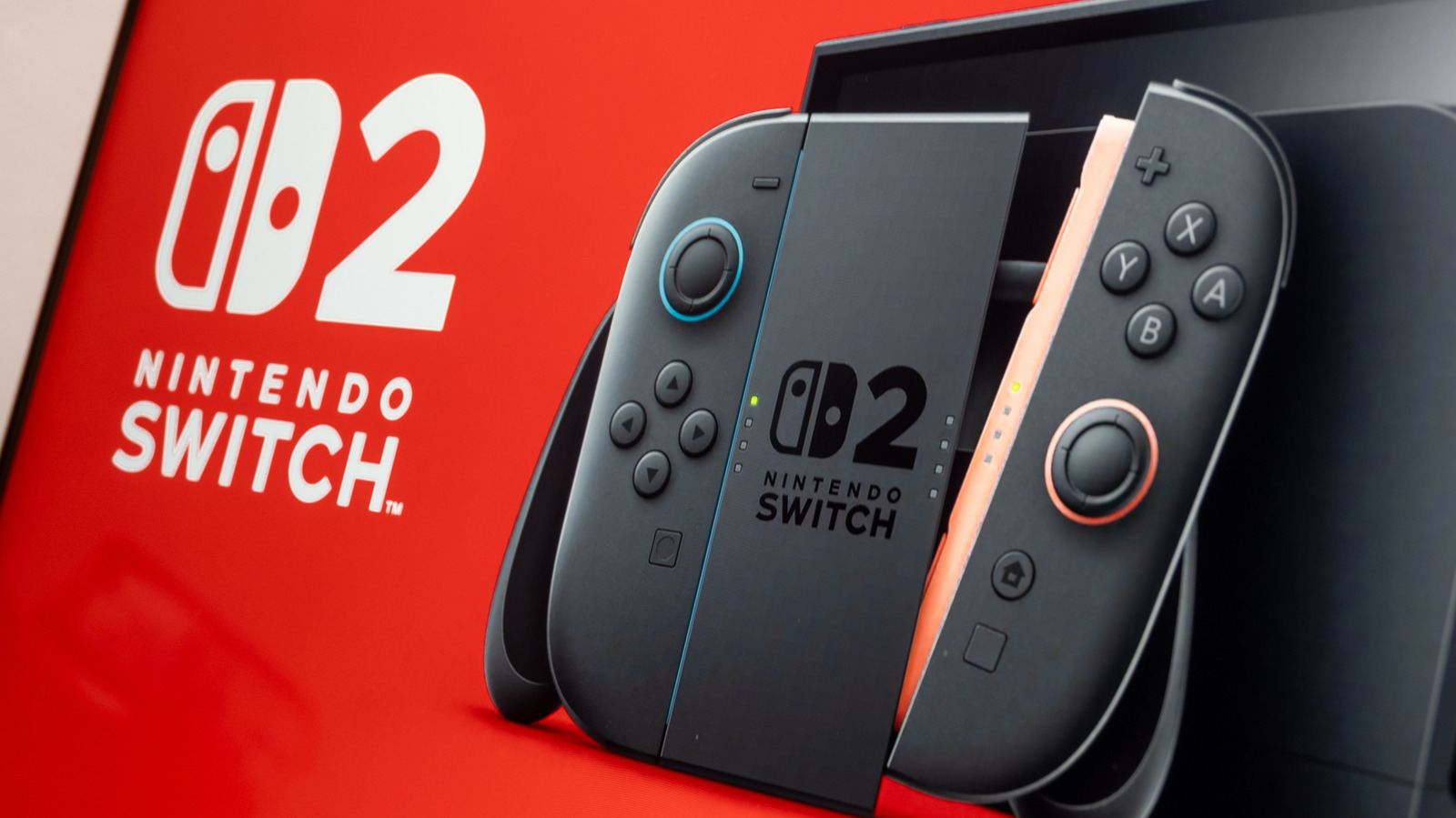
The new release is headed to PS5 and Nintendo Switch 2. That's already a wild sentence, right? A game born in the chunky grey era of memory cards and CRT televisions is now being reshaped for current hardware, and that alone tells you how strong retro gaming has become.
What most people don't know is that these kinds of reissues aren't just nostalgia bait. They often preserve game design that was very much of its time, with slower, more deliberate systems that modern games rarely bother with. In Japan, where strategy and simulation games have always had a loyal audience, that matters a lot. Classic titles there were often built around patience, planning, and menu-driven decision-making, which makes them especially appealing to Japanese learners who like to notice how games reflect everyday language and culture.
Speaking of which, the fact that this release is landing on both a PlayStation platform and Nintendo hardware is a neat reminder of how Japanese game history keeps looping back on itself. Sony and Nintendo may have split dramatically in the 90s, but the wider ecosystem of Japanese game culture still shares the same roots: arcades, magazine previews, developer interviews, and a deep love for character-driven, mechanically precise games. Classic Japan, isn't it?
Why this 1997 PS1 release matters for retro fans
The reason is simple: not every old game deserves a comeback, but the ones that do can feel weirdly alive again. A 1997 strategy game has a very different rhythm from the stuff many of us play now. You aren't being shouted at by endless markers, battle passes, or cinematic interruptions. You are thinking, adjusting, reading the board, and making decisions that actually matter.
That slower pace is part of the appeal. It also makes these re-releases great for Japanese learners, because a lot of older games use straightforward menu vocabulary that shows up everywhere in modern Japanese too. Words like 戦略 (senryaku) for strategy, 選択 (sentaku, choice; selection) for choice, and 処理 (shori, processing; handling) for processing or handling crop up constantly in games, interfaces, and everyday tech life. If you are learning Japanese, those terms are not just useful. They're sticky.
Why nostalgia hits so hard here
Let's be honest: a huge part of retro gaming is emotional memory. Maybe you played this kind of game as a kid, maybe you saw it in a Japanese magazine scan, or maybe you just remember the era when PS1 box art looked like a promise. Either way, the return of a 1997 title on PS5 and Nintendo Switch 2 taps into the same feeling as finding an old ラーメン (ramen, ramen noodle soup) shop in Tokyo that still uses handwritten menu boards. It feels preserved, but not frozen.
And that's why this release stands out. It isn't just old software getting dragged forward. It's a piece of gaming history being given a second life on hardware that people actually use every day. Not bad, right?
PS5 and Nintendo Switch 2 make the comeback feel modern
Here's the kicker: platform choice matters. PS5 brings the game into Sony's current premium ecosystem, while Nintendo Switch 2 opens the door to handheld play, couch play, and the kind of flexible gaming session that retro titles absolutely love. A strategy game works beautifully in short bursts, especially if you want to play on a train, on a sofa, or in that ten-minute gap before dinner.
That flexibility also suits Japanese gaming habits really well. In Tokyo, I still see people treating portable play as a natural part of daily life, not a novelty. On trains, in cafes, outside stations, you get this constant sense that games are something you carry, not just something you sit down for. A Switch 2 release makes that old PS1 energy feel surprisingly modern.
My tip: if you are a Japanese learner, keep an eye on the menus, item names, and mission text in old-school strategy games like this. They often use compact, practical language. You will see patterns fast. And once you start spotting them, your reading confidence jumps more than you might expect. That's why these re-releases can be so useful beyond pure entertainment.
What this says about Japan, nostalgia, and game preservation
On a related note, this kind of comeback says a lot about how Japan treats its gaming past. Not every country has such a visible bridge between retro culture and modern releases. In Japan, old games are often treated less like dead artefacts and more like living catalog titles, waiting for the right moment to return.
That mindset matters for preservation. A PS1 game from 1997 can easily disappear into collector-only territory, but a thoughtful new release keeps it accessible to new players. It also gives younger fans a chance to understand how Japanese game design evolved, from menu-heavy strategy systems to the faster, flashier experiences on later consoles.
And if you're the kind of person who likes tracing history through hardware, this is a fun one. You can move from the original PS1 release, to modern Sony support on PS5, to Nintendo's next-generation handheld direction, all in one story. That is a very Japanese gaming story, in the best possible way. It respects legacy, but it doesn't get stuck in it.
I'm genuinely excited about this. This is my absolute hidden gem! A lot of people chase the biggest remakes and the loudest trailers, but sometimes the most meaningful release is a quiet resurrection from 1997. And those are often the ones that stick with you the longest. But that's not all.
Frequently Asked Questions
What is being re-released?
A 1997 PS1 strategy game is getting a surprise new release for PS5 and Nintendo Switch 2.
Why is this release a big deal?
It brings an old console classic to modern hardware and gives new players an easy way to experience it.
Why would Japanese learners care?
Older strategy games often use practical menu language that can help you build reading confidence.