For anyone learning Japanese, a Capcom release also means there’s a good chance this game will sit right at the crossroads of gaming culture, tech hype, and a very modern kind of cool.
![Dragon Ball Z: Kakarot [Master Edition]](https://s.pacn.ws/1/p/1eh/dragon-ball-z-kakarot-master-edition-908785.1.jpg?v=t8ja8t&width=400)
![Startup Company [Console Edition] (Limited Edition)](https://s.pacn.ws/1/p/157/startup-company-console-edition-limited-edition-741799.16.jpg?v=ry4mm8&width=400)
![Startup Company [Console Edition]](https://s.pacn.ws/1/p/157/startup-company-console-edition-741779.10.jpg?v=ry4ngq&width=400)
Capcom's Pragmata and the return of big-budget sci-fi
Guess what? Pragmata is one of those games that instantly sparks conversation because it comes from Capcom, a company that has been shaping Japanese game culture for decades. We know Capcom as the studio and publisher behind Resident Evil, Monster Hunter, and Street Fighter, so a new sci-fi project from them naturally catches the eye.

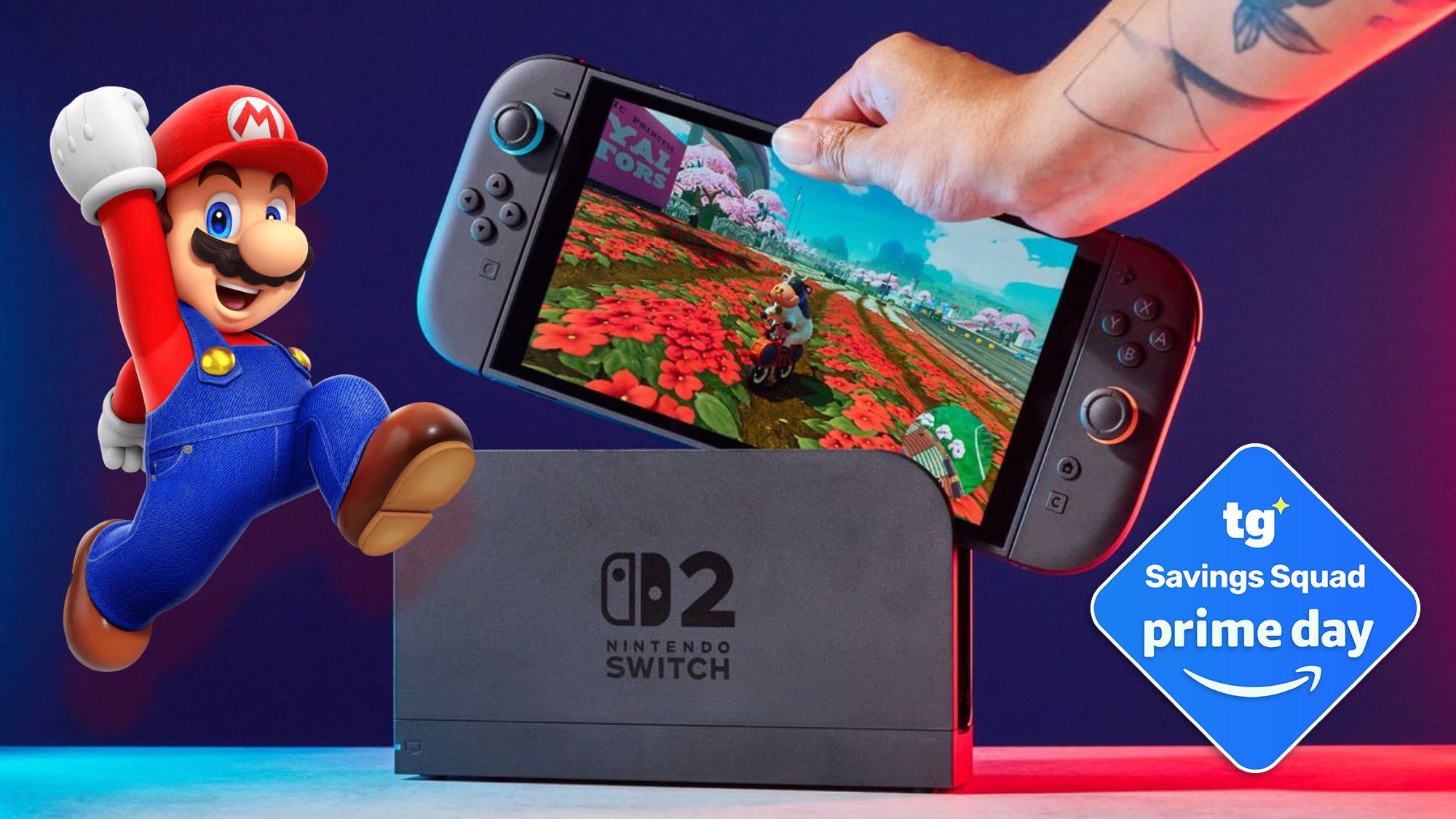
The game has been announced for Nintendo Switch 2, PS5, Xbox Series X|S, and PC. That multi-platform plan matters, because it means Pragmata is being positioned as a mainstream release, not a niche experiment tucked away on a single machine. For Japan fans who follow Nintendo hardware closely, the Switch 2 part is especially exciting. See what I mean?
Before I forget: the original concept footage for Pragmata showed a moonbase-like setting, a lonely astronaut, and a strangely calm mood that felt more eerie than explosive. Capcom hasn’t rushed this one, and that slower approach may be exactly why people are still paying attention. Personally, I like that. When a sci-fi game takes its time, the atmosphere usually ends up stronger.
Why the Nintendo Switch 2 connection matters
Did you know that Nintendo hardware often becomes a huge talking point among Japan watchers even before the launch window is fully locked down? That’s because Nintendo isn’t just a console maker in Japan, it’s part of the country’s pop-culture rhythm, from family living rooms to train-station ads and late-night game chatter.

By the way, Switch support changes how people imagine a game’s audience. If Pragmata lands on Nintendo Switch 2, it won’t only be for high-end graphics fans on PS5 or PC. It could also reach players who prefer handheld-style gaming, commuter sessions, and shorter play bursts. That’s a very Japanese way to play, and it fits the Nintendo audience perfectly.
For example, many Japan-based players still talk about whether a game feels good in docked mode, handheld mode, or both. A sci-fi adventure with readable UI, clear mission pacing, and strong cinematic direction could do well there if Capcom optimises it carefully. My tip: keep an eye on how the game balances spectacle with usability, because that’s where Switch-style releases often win or lose. From my experience.
Sci-fi adventure, Teen rating, and what that suggests
A safer age rating doesn't mean a bland game
Plot twist: Pragmata is described as a teen-rated sci-fi adventure, and that tells us a lot about Capcom's intentions. A Teen rating usually means the game can still have tension, combat, and danger, but it doesn't need to lean into extreme gore or very heavy adult material.
That opens the door for a broader audience, including younger players and families who are comfortable with smart, story-driven games. It also gives Capcom room to focus on mood, exploration, and technology-driven mystery. Seriously though, some of the best sci-fi stories work better when they don't overdo the violence.

What I especially like is the mix of polished Japanese design and futuristic restraint. Capcom has a history of making action feel stylish rather than messy, and Pragmata seems to follow that lane. Wild, isn't it? A game can feel high-tech and emotional at the same time.
On a related note, Japan fans often enjoy games that reflect a distinct aesthetic, not just flashy hardware. That can mean clean interfaces, quiet tension, and a sense of place, like wandering a neon-lit district in Tokyo or hearing a soft announcement in a train station. Pragmata seems to be chasing that kind of atmosphere, only on the Moon. Not bad, right?
What Japan fans and language learners can watch for
The first time I went to Japan, I noticed how often technology and style overlap in everyday life. A train, a vending machine, a game console, even a convenience store display, all of them can feel carefully designed. Pragmata taps into that same instinct, where the future looks tidy, a little lonely, and very intentional.
For Japanese learners, games like this are useful because they often generate repeat vocabulary around space, missions, systems, and relationships. Words you may hear in sci-fi contexts include 航空 (koukuu, aviation), 閃光 (senkou, flash of light), 装置 (souchi, device; apparatus), and 美しい (utsukushii, beautiful), depending on the setting and dialogue style. If Capcom uses simple, readable text, it can be a friendly way to practise listening and reading without feeling like homework.
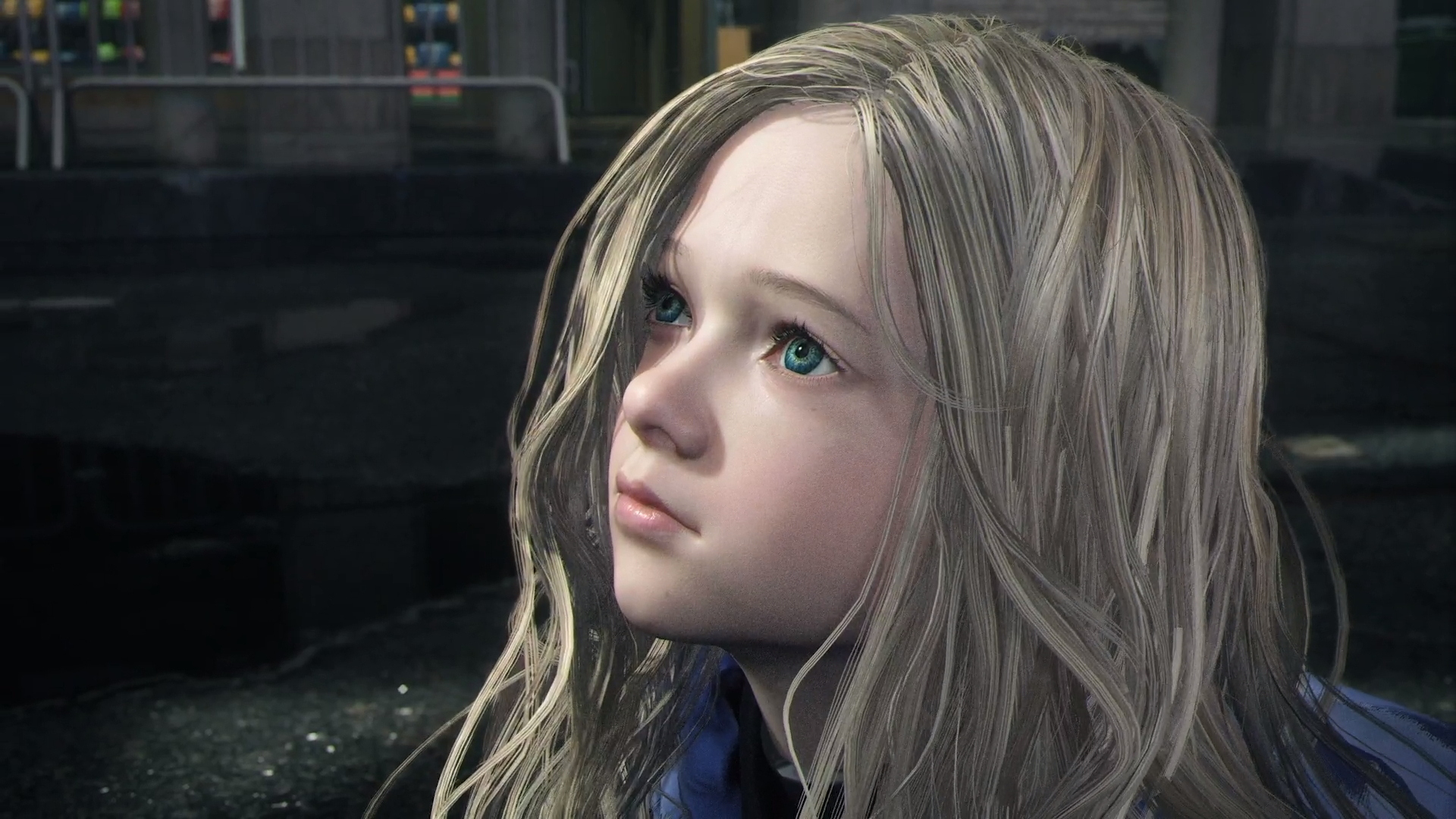
Imagine a narrow alley in Tokyo. Now replace the alley with a silent lunar corridor, and you get the emotional contrast sci-fi games can create. That contrast is part of why Japanese media often feels so strong, it understands that quiet space can say as much as action. From my experience, that’s where the best stories live.
Oh, almost forgot: if you follow game news in English and Japanese, Capcom releases are a great way to compare how different outlets frame the same project. A site like The Seattle Times may focus on the Western review angle, while Japanese coverage often zooms in on hardware, publisher reputation, and visual style. That makes Pragmata a nice case study for learners who want to connect language with media culture.
Personally, I think the biggest appeal here is the combination of Capcom’s name, a futuristic setting, and Switch 2 support. That's the kind of lineup that gets Japan fans talking long before launch. See what I mean?
For more coverage like this, check more Japan news on jpnerd.com.
In pictures


Frequently Asked Questions
What is Pragmata?
It is an upcoming sci-fi adventure game developed and published by Capcom.
Which platforms will Pragmata be released on?
It is planned for Nintendo Switch 2, PS5, Xbox Series X|S, and PC.
Why are Japan fans interested in this game?
Because it combines Capcom, sci-fi style, and Switch 2 support, all of which are major talking points for game and Japan culture fans.