These days, Ura-Tenma is known for tiny bars, 居酒屋 (izakaya, Japanese pub), and casual dining, with the nightlife and food scene doing most of the talking. If you care about Osaka, or just love places where history still lingers under the neon, this is a district worth understanding properly.



Ura-Tenma in Osaka is a perfect reminder that neighbourhoods don’t stay frozen in time. They get remade, argued over, eaten in, drunk in, and eventually rediscovered, sometimes by locals first and only later by the rest of us. In Ura-Tenma’s case, that transformation runs from a shadowy past tied to smuggling and underground activity to a present-day scene built around small bars, izakaya, and easy-going late-night food.
Hand on heart, this is the kind of urban change I love writing about, because it tells you so much more than a glossy tourist brochure ever could. Osaka has always had a reputation for being a little rough around the edges, a little more open, a little less precious than Tokyo, and Ura-Tenma fits that mood beautifully. It’s not polished in the sterile sense, and thank goodness for that.
Ura-Tenma in Osaka: a backstreet district with a complicated past
What most people don’t know is that Ura-Tenma sits in central Osaka, not far from the better-known Tenma area and within easy reach of the city’s busy commercial core. “Ura” means “back” or “rear”, which is fitting, because this is the sort of place you find by turning off the main road and following the glow of small signs into tighter, older streets.
Historically, the area had a less respectable reputation, and local accounts connect it to smuggling and other underworld dealings. That matters, because the neighbourhood’s identity was shaped for decades by activity that took place outside the clean, regulated image of the city. Osaka has many districts with layered histories, but Ura-Tenma’s story feels especially vivid, almost cinematic, the kind of place where you can still sense the old behaviour in the street layout and the low-rise buildings.
Did you know that some of Osaka’s best dining streets grew out of exactly this kind of back-alley geography? The reason is simple: narrow lanes, older property patterns, and a local clientele create the perfect conditions for intimate, low-cost drinking spots. What began as marginal space often becomes hospitality space. Wild, isn’t it?
Why Ura-Tenma became an izakaya and nightlife hotspot
Unlike what we’re used to in more manicured city centres, Ura-Tenma doesn’t sell you an experience with giant signage and obvious branding. It seduces you slowly. You notice a handful of stools, a chef behind a tiny counter, smoke drifting from a grill, then another doorway with paper lanterns, then a basement bar where everyone seems to know the bartender’s name.
The area is now best known for small bars, izakaya, and casual dining, and that combination is crucial. In Japan, the izakaya is not just a “bar with snacks”. It’s a social machine, a place where salarymen decompress, couples linger over food, and friends turn one drink into three because the atmosphere keeps suggesting “just one more”. If you’re learning Japanese, this is useful vocabulary in the real world: izakaya for the venue, 飲む (nomu, to drink) for drinking, and つまみ (tsumami, snack with drinks) for small food that keeps the evening moving.
The pleasure is in the scale
For example, the charm of Ura-Tenma isn’t that it has one famous flagship restaurant. It has dozens of small operations, each one slightly different, each one dependent on local habit and repeat customers. That means the district feels alive after dark in a way that bigger, trendier entertainment zones often don’t. In those places, you’re a consumer. Here, you’re a guest, or at least a tolerated stranger, which is much better.



My tip: if you go, don’t overplan the evening. Pick one street, then let yourself drift. The whole point is to move at the neighbourhood’s pace, not yours. Speaking of which, that’s also why Ura-Tenma is so appealing to Japan fans who want something less scripted than the usual “top 10 Osaka eats” circuit.
Osaka food culture in Ura-Tenma: casual, loud, and deeply social
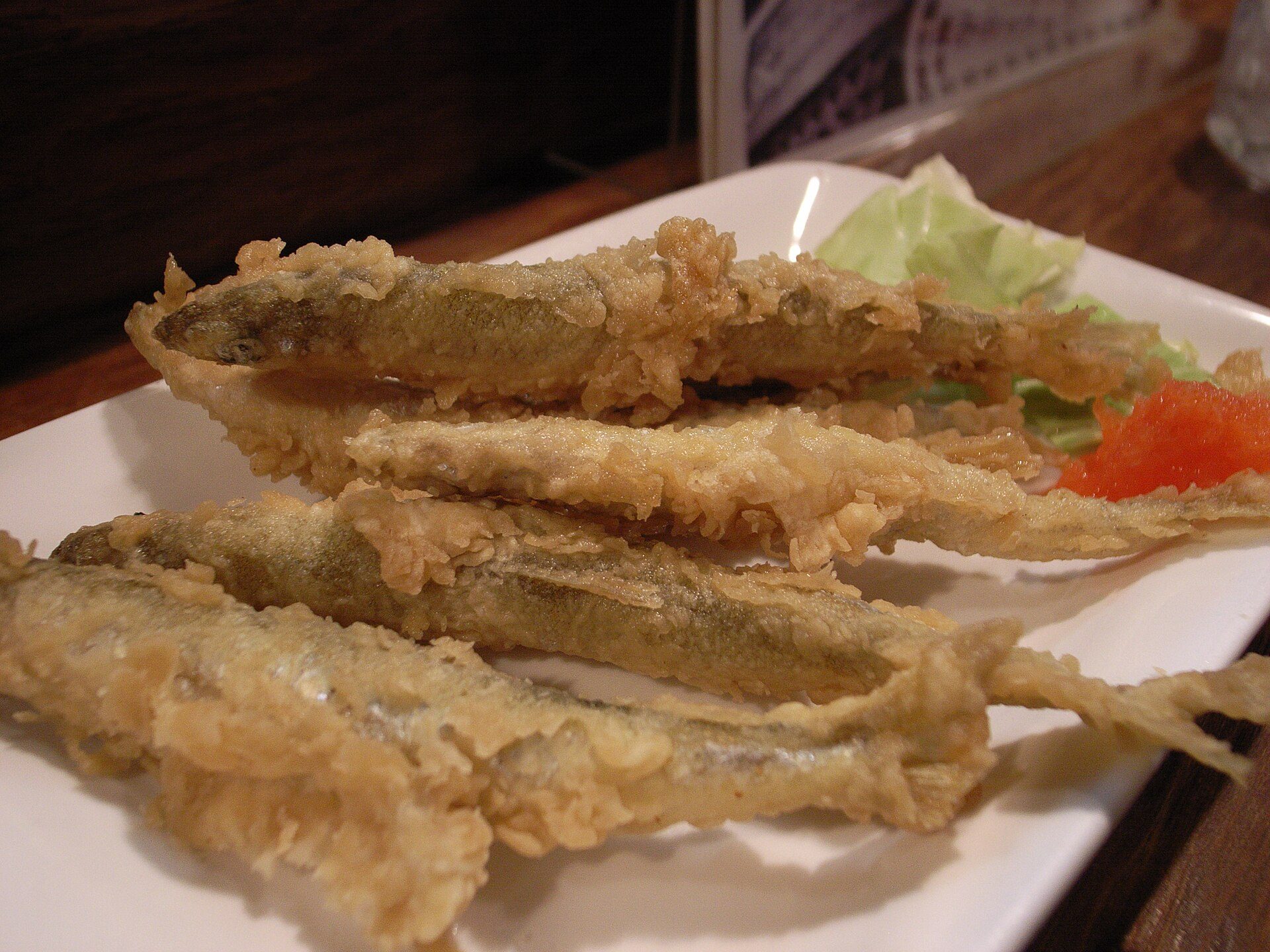
What I especially like about Ura-Tenma is that the food culture feels very Osaka. It’s casual rather than ceremonial, generous rather than minimalist, and much more interested in enjoyment than in presentation. You’re not coming here for a white-tablecloth performance. You’re coming for grilled fish, 唐揚げ (karaage, Japanese fried chicken), skewers, hearty bowls, drinks, and the particular joy of sitting elbow-to-elbow with strangers who stop being strangers after the second round.
In Osaka, food is social glue. That may sound obvious, but the city really does live it. Tenma, the broader area, is famous for its market-adjacent energy and long, easy-going drinking culture, and Ura-Tenma is like the more intimate version of that same instinct. It’s food as nightlife, nightlife as conversation, and conversation as a reason to stay out later than you meant to. From my experience, that’s exactly where the city’s personality comes through most clearly.
While we’re at it, this is also a terrific place to notice Japanese manners in action. You’ll hear polite greetings, short bursts of apology and thanks, and the familiar rhythm of いらっしゃいませ (irasshaimase, welcome; please come in) as staff welcome guests. It’s a useful little laboratory for learners, because you can connect language with context instantly. Sounds weird, but it’s true: a few evenings in a neighbourhood like this can teach you more practical Japanese than a week of textbook dialogues.
What the neighbourhood tells us about Osaka now
But let’s stick with Ura-Tenma for now. The larger point is that neighbourhood revival in Japan often happens in places that once looked unpromising, even dangerous. A district with a dark past doesn’t disappear, it gets layered over, repurposed, and eventually reinterpreted through food and nightlife. Osaka, more than many Japanese cities, seems willing to let these transformations happen in public.
That is what makes Ura-Tenma interesting beyond the bars themselves. It’s a small-scale example of urban change, where a district once associated with the margins now draws visitors precisely because it still feels marginal, in the best possible sense. The old story hasn’t vanished. It has become atmosphere.
If you love Japanese cities, I think Ura-Tenma rewards the kind of attention that looks past the obvious landmarks. You don’t need a grand monument to understand a place. Sometimes a line of cramped izakaya, a late-night bowl of noodles, and a street that used to hide things can tell you more about Osaka than any skyline shot ever will. Wait, there’s more. That is exactly why I keep coming back to these backstreets in my own mind, even when I’m nowhere near Kansai.
Frequently Asked Questions
Where is Ura-Tenma located?
Ura-Tenma is in Osaka, in the Tenma area and close to the city centre.
What is Ura-Tenma known for today?
It is known for small bars, izakaya, and casual dining, especially after dark.
Is Ura-Tenma worth visiting for food lovers?
Yes, especially if you like lively neighbourhood food culture, local drinking spots, and places with character.