
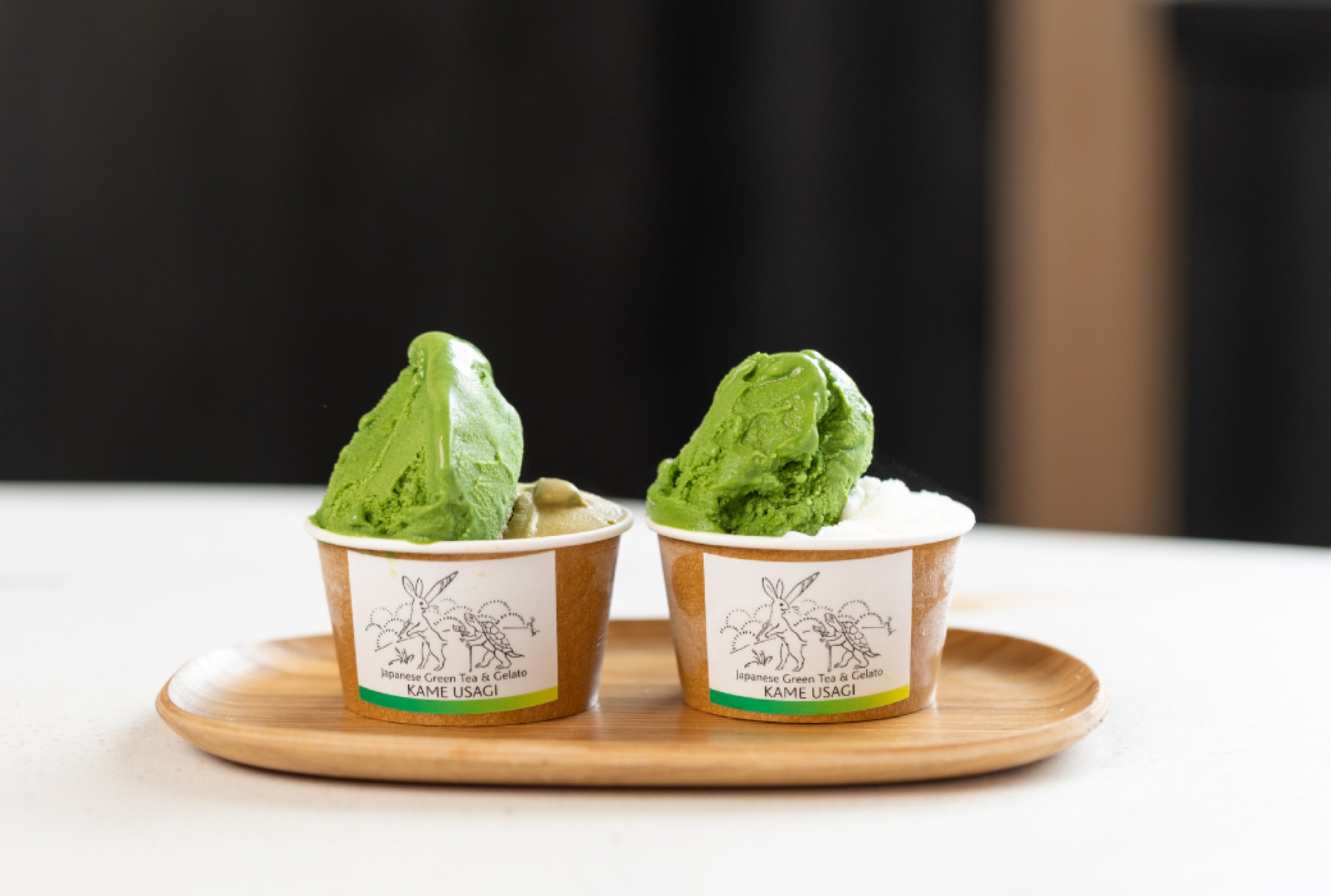
If you love Japanese tea culture, this is the kind of event that turns a familiar ingredient into a mini destination. And yes, the phrase macca rabaa will probably stick in your head after a while.



What MATCHA LOVERS MARKET is bringing to Hankyu Umeda
Ever wondered why 抹茶 (matcha, powdered green tea) events in Japan get so much attention? They usually do more than sell desserts; they turn one ingredient into a season-specific experience. MATCHA LOVERS MARKET at Hankyu Umeda Main Store, or Hankyu Umeda 本店 (Honten, main store), is built around that idea, with a line-up aimed at people who want to browse, snack, and discover new brands in one place.
The event name itself is pretty direct, and that’s part of the charm. “Matcha lovers” sounds global, but the actual appeal is very Japanese: limited-time goods, photogenic sweets, and a shop floor that makes you want to compare textures, sweetness levels, and shades of green. For language learners, this is also a neat chance to notice how Japanese event culture loves themed words, especially when a trend word becomes a label for a whole corner of a department store. My tip: keep an eye on seasonal vocabulary like 期間限定 (kikan gentei, limited-time) and 苺 (ichigo, strawberry), because they show up everywhere around events like this. My verdict:
Why Hankyu Umeda matters so much for food events
Let me show you why the location matters. Hankyu Umeda Main Store in Osaka is one of those department stores where food events can seriously shape what people talk about online. The Umeda area is already a retail heavyweight, so a matcha-themed market there gets instant foot traffic, plus plenty of social media attention from people who are already hunting for the next thing to taste or post.
Compared with back home, department-store food culture in Japan can feel much more curated. You’re not just walking into a random stall cluster; you’re entering a space where presentation, packaging, and timing all matter. A market like this is especially good at combining お土産 (omiyage, souvenir gift)-style shopping with casual indulgence, which is exactly why matcha keeps working so well as a theme. Oh, almost forgot: this is also where Japanese learning gets practical, because words like omiyage, 煎餅 (senbei, rice cracker), and 和菓子 (wagashi, Japanese sweets) aren’t just textbook terms here, they’re labels that shape what you see on the shelves. But that’s not all.
The influencer spin behind the matcha boom
To be fair, the influencer angle is a big part of why a market like this travels so well online. The referenced coverage points to the project name macca rabaa, which reads like a playful branding move built for fans who like sharing finds, comparing favourites, and following recommendations from creators. That kind of naming helps an event feel like a community, not just a sales floor.



Here’s the catch: influencer-led food hype can be hit or miss, depending on whether the products have real quality behind the visuals. Matcha is a strong test case, because fans notice bitterness, aroma, colour, and balance very quickly. If the goods are only pretty, people move on. If they’re good, the buzz lasts. Fun fact: matcha has become one of the easiest Japanese flavour words for international learners to remember, but it also opens the door to deeper tea vocabulary like usucha and koicha, which add context if you start exploring Japanese tea culture more seriously. Classic Japan, isn’t it?
What Japan fans should watch for at this kind of event
The best part: events like MATCHA LOVERS MARKET are useful even if you’re not in Osaka, because they show how Japanese retail keeps blending theme, season, and fandom. If you follow Japan news, this is the sort of story that reveals how a simple ingredient can become a shopping event, a social trend, and a learning moment all at once.
That reminds me: if you’re studying Japanese, try reading event announcements for pattern words like market, limited, new arrival, and recommended in Japanese contexts. They pop up constantly in department stores and pop-up promotions. On the flip side, don’t assume every matcha product will taste the same. Some are bold and earthy, others lean sweet and dessert-like, and that variety is exactly why matcha stays interesting for both fans and learners. This is my absolute hidden gem!
If you want more Japan updates like this, check out more Japan news on jpnerd.com.


