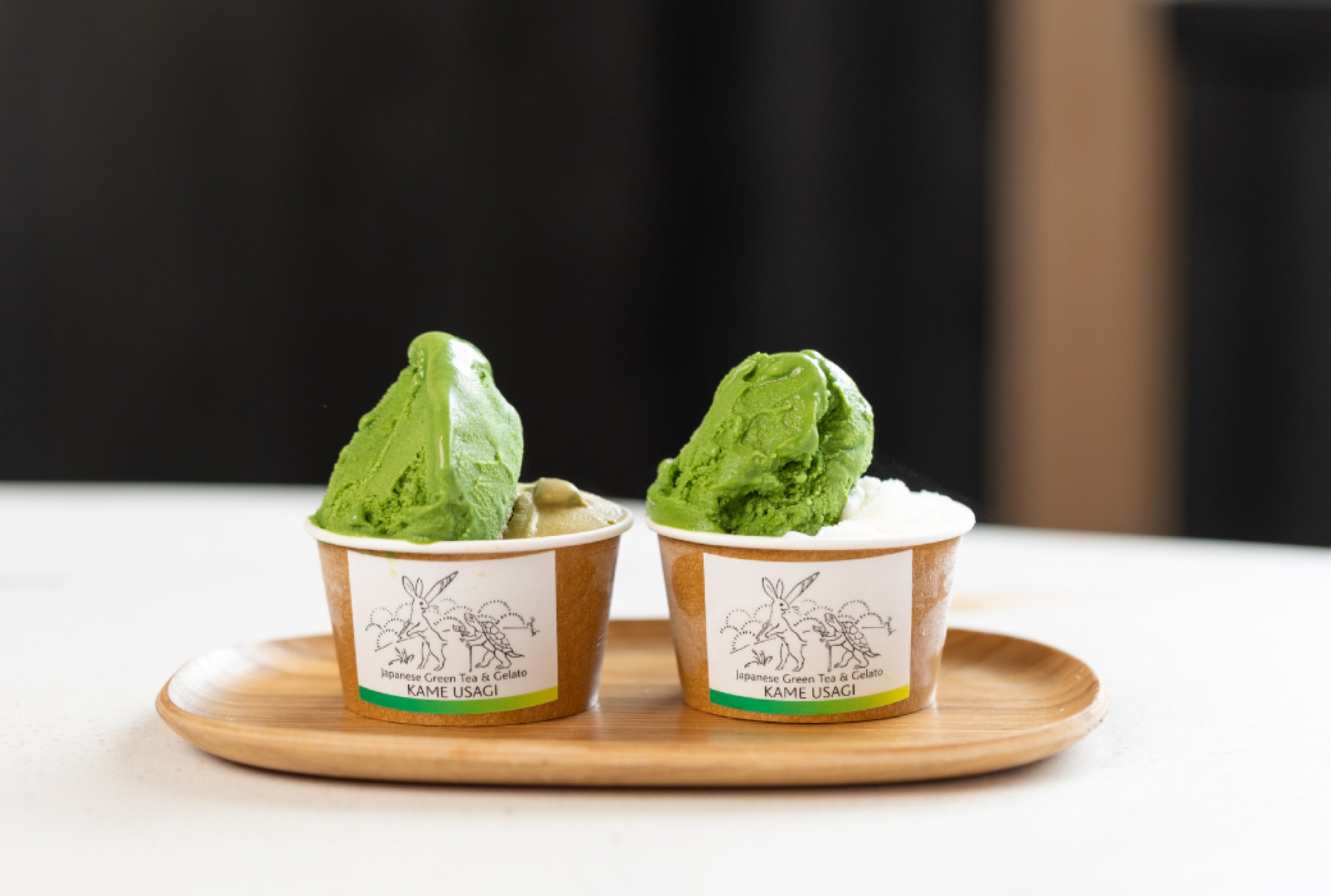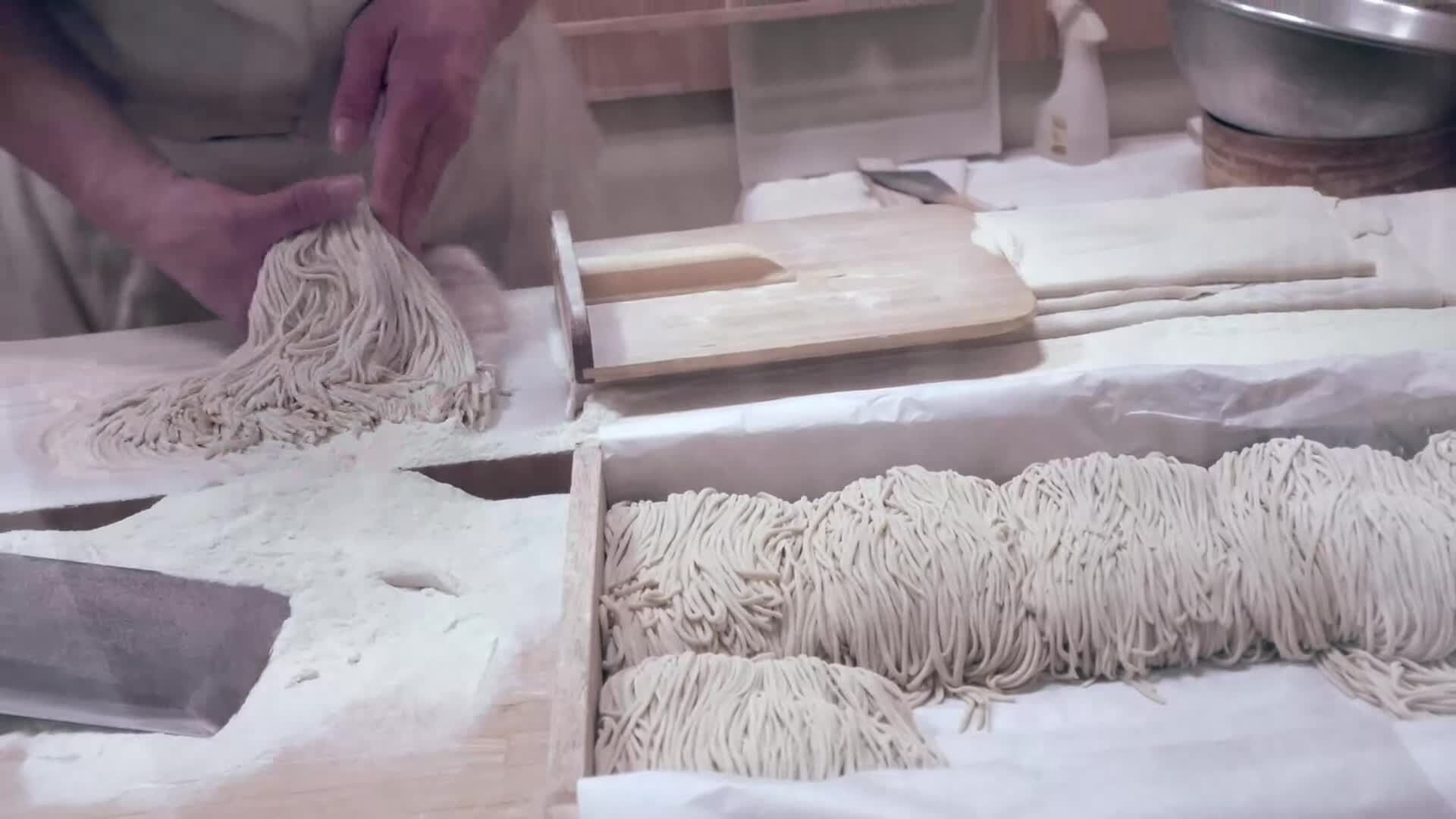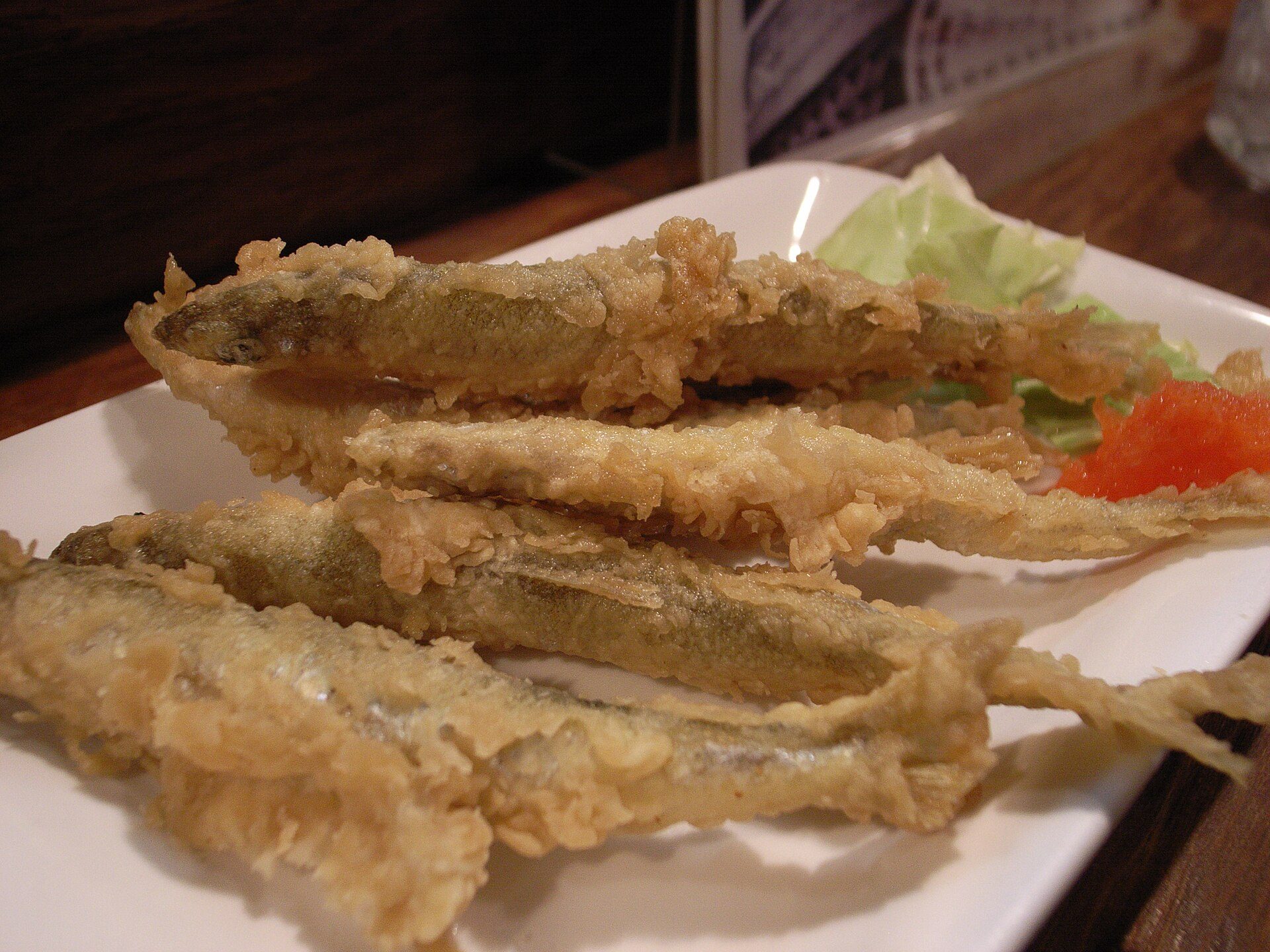
For Japan fans, this is a neat window into how department stores stay relevant, not by looking quiet and formal, but by making lunch, snacks, and souvenir food feel like an event. Classic Japan, isn’t it?



Abeno Harukas turns its food floor into a bigger draw
Guess what? Abeno Harukas, through the Kintetsu Main Store in Osaka, is leaning hard into one of the most reliable forces in Japanese retail: food sells foot traffic. The department store has expanded its food area to 66 stores, and that’s not a small tweak, it’s a statement about where customer attention is right now.
Hand on heart, this makes perfect sense in a city like Osaka, where people love eating out, buying deli items on the way home, and picking up something good without making dinner from scratch. Department stores have always understood this rhythm, but now they’re doubling down on it with a sharper, denser food-hall-style layout. See what I mean?
66 food stores, and each one has a job to do
The reason is simple: variety keeps people browsing longer, and browsing keeps them spending. With 66 stores in the newly strengthened food section, Abeno Harukas can offer everything from sweets and bakery items to prepared dishes, side plates, and gift-worthy treats.
While we're at it, this is also the department store answer to convenience store culture and station retail. If you can grab a polished lunch, a small present, and dessert in one run, why would you stop at one counter? That layered shopping style is pure Japan, and Osaka is especially good at it. Wild, isn't it?
Why department stores still win at food
Here's the thing: Japanese department stores are not just selling products, they’re selling trust. The food floors, often called デパ地下 (depachika, department store basement food hall) in casual English usage, are known for careful presentation, seasonal appeal, and staff who know how to package items properly for gifts or travel.
That matters because people in Japan still care about お土産 (omiyage, souvenir gift) culture, the idea of bringing back food gifts for family, coworkers, or friends. A strong food floor can turn a basic shopping trip into a small ritual. Personally, I think that’s one of the most charming parts of Japanese retail. Wait, there's more.
Expo-style gourmet items meet Osaka comfort food
On a related note, the timing is clever. Osaka is a city that knows how to ride event energy, and the expanded food area is tied into Expo-related gourmet offerings as well. That means visitors and locals can expect food ideas that nod to the Osaka Expo mood, while still feeling easy to buy and eat on the move.
For example, limited-time snacks, themed lunches, and special desserts are exactly the kind of thing that gets Japanese shoppers to stop and look. They don’t always need to be flashy, either. A strong label, a seasonal ingredient, or a packaging design that feels current can be enough to make a product stand out. Insider tip: in Japan, presentation is often part of the taste.



The Osaka factor gives it extra energy
Know that feeling when a city’s personality shows up in the food? Osaka retail often thrives on that. The city’s reputation for 食い倒れ (kuidaore, eat until you drop), or eating until you drop, makes food a natural centrepiece for shopping culture. A department store in Osaka is under pressure to be lively, practical, and tasty all at once.
That brings us to one of the most marketable names in this story, 551HORAI. If you know Osaka, you probably know the brand already. If you don’t, think of it as one of those local favourites that tourists hear about fast, especially for its takeaway items and hot, satisfying snacks. Classic Japan, isn’t it?
551HORAI and takeaway bento are the real traffic magnets
I still remember exactly how often food halls in Japan revolve around a few anchor names. 551HORAI is one of those anchors in Osaka, and it makes a lot of sense for Abeno Harukas to lean on it. People trust the name, the smell draws them in, and the takeaway format makes it easy to buy without much planning.
That same logic explains the appeal of takeaway 弁当 (bento, boxed lunch). A good bento is not just lunch, it’s a compact, ready-made answer to a busy day. Whether you’re a commuter, a student, or a traveller heading back to a hotel, the appeal is instant. My tip: if you’re studying Japanese, learn the food-floor vocabulary around bento, おやつ (oyatsu, snack), and omiyage, because you’ll hear and use these words constantly in Japan.
What I especially like is how this food expansion blends local identity with practical shopping. Osaka gets to be Osaka, while Abeno Harukas gets to look modern and useful. That balance is exactly what keeps a department store alive in 2025, not nostalgia alone, but a smart read on how people actually buy food. Personally...
What Japan learners can take from this retail move
Here’s the kicker: this is not just a shopping story, it’s a language and culture story too. If you’re learning Japanese, department stores are a goldmine for everyday words, from menus and labels to polite customer service phrases. Even something as simple as reading a food hall sign can teach you how Japanese retail structures choice.
And if you’re a Japan fan who likes real-world context, Abeno Harukas is a great example of how cities use food to define place. Osaka is not trying to be subdued here. It wants flavour, speed, and a little theatre, all in one floor. That is a very Japanese kind of efficiency, but with personality. See what I mean?
For more stories like this, keep an eye on how department stores evolve in Japan, because they often tell you more about daily life than big headline trends do. more Japan news on jpnerd.com
Frequently Asked Questions
What changed at Abeno Harukas?
The Kintetsu Main Store food floor was expanded to 66 stores, with a stronger focus on food and takeaway items.
Why is Osaka important for this story?
Osaka has a strong food culture, so department store food halls can attract shoppers with snacks, lunch items, and gift foods.
Why would Japan learners care about this?
It’s a useful way to learn everyday shopping and food vocabulary while also understanding Japanese retail culture.