
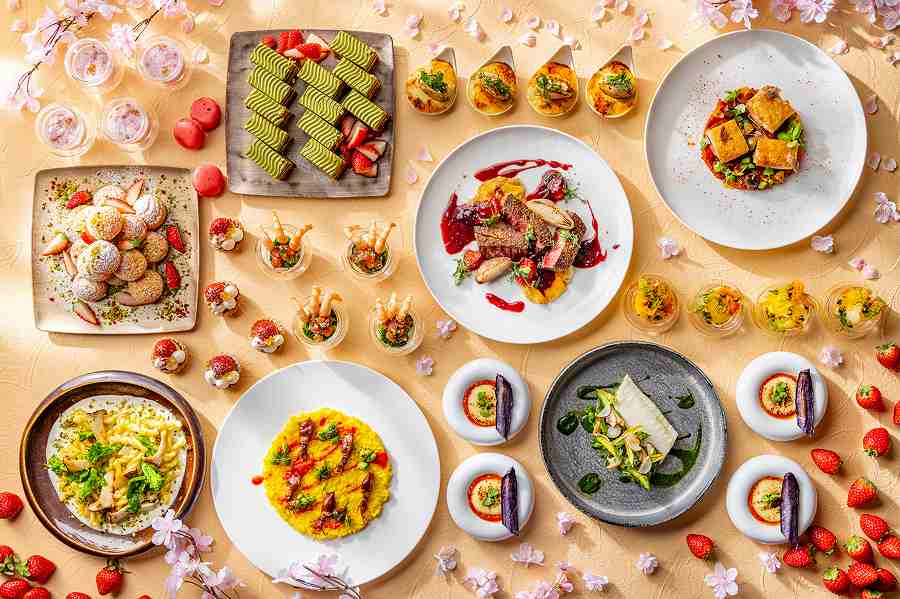
Sakura Strawberry Vivace at The Strings by InterContinental Tokyo
Guess what? Japan’s hotel dessert buffets often turn a simple meal into a seasonal event, and 桜 (Sakura, cherry blossom) Strawberry Vivace is a perfect example. Held at The Strings by InterContinental Tokyo, this spring feature mixes sakura colour, strawberry sweetness, and the kind of presentation that makes you want to take photos before you even sit down.



The setting matters here. The Strings by InterContinental Tokyo sits in Shinagawa, a major Tokyo hub with easy access from both the Yamanote Line and the Shinkansen side of the city, so it’s a practical stop as well as a special one. That combination is very Japanese, honestly, because hotels here often balance convenience, refinement, and a clearly seasonal theme. Wait, there’s more.

What the Semi-Lunch Buffet Actually Means
Know that feeling when you want a buffet, but not the full heavy lunch experience? That’s where a semi-lunch buffet makes sense. In Japanese hotel dining, this usually means a lighter structure than a full lunch buffet, with a main dish or a few plated items, plus a dessert selection and drinks, so you get variety without the sheer overload of a giant all-you-can-eat spread.
At Sakura Strawberry Vivace, the dessert angle is the real star, but the format is part of the appeal. A semi-lunch buffet lets the kitchen focus on quality and seasonal styling, not just quantity. For learners of Japanese, this is a nice example of the word 親切 (shinsetsu, kindness; consideration) in a different sense of hospitality, because the experience feels carefully considered. My tip: if you’re visiting Japan in spring, look out for the phrase 旬 (shun, in season; seasonal peak), which means in-season, because hotels love to build menus around it. But that’s not all.
Why Sakura and Strawberry Work So Well Together
Plot twist: sakura and strawberry are not a random combo at all. In Japan, both are strongly linked to spring, and both carry a soft pink visual appeal that shows up everywhere from pastries to convenience-store sweets. The result is a seasonal theme that feels cohesive, not forced.
What many overlook is that sakura flavour itself is usually subtle and a little salty, while strawberry brings direct sweetness and fragrance. Put them together, and you get contrast, not repetition. That’s why this theme works so well in hotel desserts, especially when the kitchen wants a pretty but still balanced menu. Simply brilliant.
Stunning Desserts: Strawberry and Matcha Mousse
I still remember exactly how Japanese hotel buffets often put one or two signature desserts front and centre, and this one follows that playbook. The standout items include strawberry and 抹茶 (matcha, powdered green tea) mousse, which is a smart pairing because it combines Western-style mousse texture with two very Japanese-flavoured ideas: strawberry seasonality and matcha bitterness.



A great example: matcha desserts in Japan rarely rely on sweetness alone. Good matcha mousse should taste slightly earthy, a little creamy, and not too sugary. Pair it with strawberry, and the whole plate feels more layered. If you’re learning Japanese, this is a good moment to notice the word 味 (aji, taste; flavor), or flavour, because Japanese dessert culture often talks about balance rather than just sweetness. Insider tip: if you see matcha used with fruit in Japan, it’s usually there to sharpen the dessert, not hide it. Wild, isn’t it?
What to Look For on the Buffet
To be fair, the dessert table is only half the fun, because presentation matters just as much as taste in a place like this. Expect pastel colours, neat portion sizes, and a rhythm that feels more like a curated spring tea service than a chaotic buffet. That’s a very Tokyo hotel style, and it suits the sakura theme perfectly.
Before I forget: semi-lunch buffets often reward slower dining. You can take your time, compare textures, and revisit a dessert if it catches your eye. That’s especially helpful with items like mousse, which taste different after a few bites once the sweetness settles. My verdict: if you like seasonal hotel food, this is exactly the kind of event that makes spring in Japan feel special. Wait, there’s more.
Why Japan Fans and Learners Should Care
Fun fact: food events like Sakura Strawberry Vivace are a sneaky-good way to learn Japanese culture through the senses. The menu itself teaches you useful vocabulary, from sakura and 苺 (ichigo, strawberry) to matcha and shun, and the atmosphere shows how seriously Japan treats seasonality. That’s not just a food trend, it’s a cultural habit.
For Japan fans, this is also a reminder that hotel dining in Tokyo is often more than a convenience meal. It can be a seasonal showcase with a clear story, and in this case the story is spring, pink, and strawberry-forward. If you’re building your Japan trip around food, hotel buffets like this are worth watching closely, especially in March and April when sakura themes are at their strongest. Simply brilliant.
Before I forget, if you enjoy this kind of Japan food and travel coverage, you’ll probably want to keep an eye on seasonal hotel specials across Tokyo. They change quickly, and the best ones often disappear just as fast as the blossoms do. For more updates, see more Japan news on jpnerd.com.
In pictures

Frequently Asked Questions
Where is Sakura Strawberry Vivace held?
It is offered at The Strings by InterContinental Tokyo in Shinagawa, Tokyo.
What makes this buffet special?
Its seasonal sakura and strawberry theme, plus a semi-lunch buffet format with refined dessert items.
What desserts stand out most?
The strawberry and matcha mousse is one of the most notable items.


