
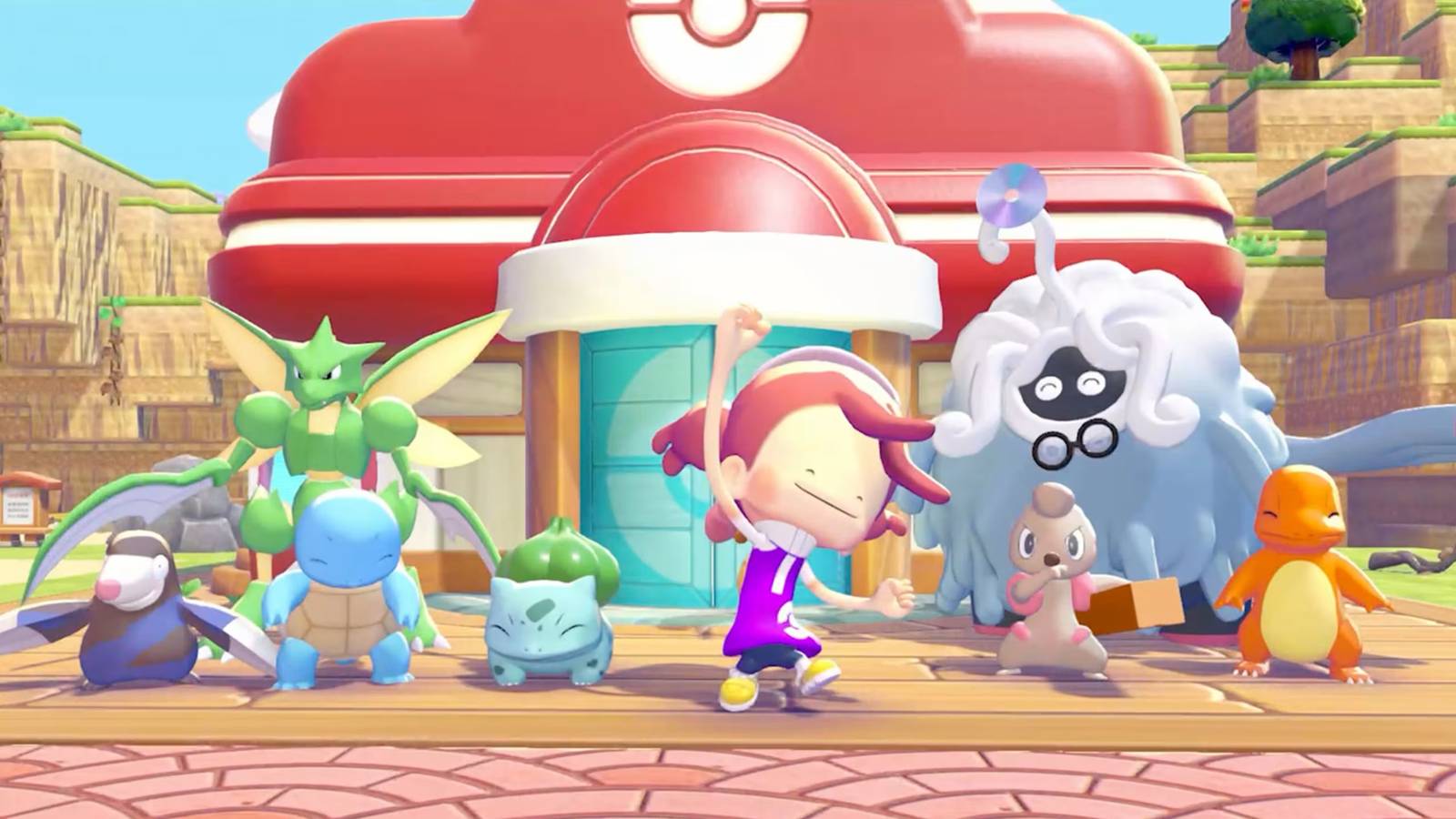
For Japan fans and Japanese learners, this is a nice reminder that the country’s game culture doesn’t just run on new releases. Old favourites keep coming back, and sometimes they sell like they never left.
![Startup Company [Console Edition] (Limited Edition)](https://s.pacn.ws/1/p/157/startup-company-console-edition-limited-edition-741799.16.jpg?v=ry4mm8&width=400)
![Startup Company [Console Edition]](https://s.pacn.ws/1/p/157/startup-company-console-edition-741779.10.jpg?v=ry4ngq&width=400)
Nintendo’s 2026 numbers, with a retro twist
Why are people still buying games from the Game Boy Advance era? Because some Nintendo releases don’t age like software; they age like memories. That is exactly the mood behind Polygon’s coverage of Nintendo’s 2026 financial results, where Pokemon Pokopia and two GBA-era Pokemon classics pushed past new sales milestones.
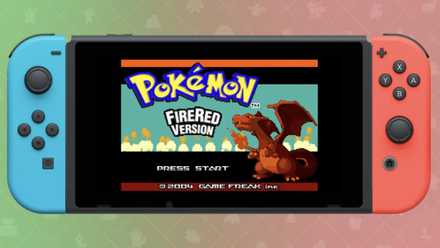
The key detail is simple. Nintendo’s latest numbers show that the company is still getting strong results from a mix of fresh content and legacy catalogue sales. On the new side, Pokemon Pokopia keeps the Pokemon brand front and centre. On the old side, longtime favourites from the GBA period are still moving units, years after their original launch.
What I especially like here is the contrast. You get the modern sales push from a newer title, then you get the steady life of older Pokemon games that people still seek out for collection, nostalgia, or plain curiosity. Classic Japan, isn't it?
The reason is simple: Pokemon has always been more than one product line. It is a brand, a memory bank, and for many players, a first real link to Japanese pop culture. That kind of emotional pull can keep a 20-year-old game on the sales chart much longer than you'd expect. But that's not all.
Pokemon Pokopia and why the GBA classics still matter
Picture this: a player discovers Pokemon through a new release, then starts looking backwards to see where the series came from. That path matters, because it helps explain why a newer title like Pokemon Pokopia can sit beside older GBA hits in the same sales conversation. Nintendo benefits when the whole ecosystem keeps people inside the brand.
The GBA generation still has a strong pull
The two Game Boy Advance classics in question are part of the Pokemon games that helped define the handheld era for so many fans. Released in the early 2000s, they arrived during a period when Nintendo handhelds were common in school bags, train rides, and hotel rooms across Japan. That everyday presence gave them cultural weight, not just sales weight.
Compared with back home, Japan’s game history often feels more tightly tied to portable play. The GBA fit that lifestyle perfectly. You could play on a commute, swap tips with classmates, or trade monsters with friends after school. My tip: if you're learning Japanese, this is a great place to pick up words like 携帯 (keitai, mobile phone; handheld device) for mobile life, a term that shows how deeply handheld habits shaped daily routines.
The best part is that these older Pokemon releases aren't only selling because collectors want boxed copies. Many players want to relive the original experience, especially when newer releases make people nostalgic for the series’ roots. That keeps the games relevant even when the hardware they first ran on is long gone. Personally,
What Nintendo’s sales data says about Japan fan culture
Know that feeling when a song from your school days suddenly charts again? That is basically what happens when a classic Pokemon game posts new sales strength. The sales number is more than a number; it is proof that old entertainment can keep earning when the emotional connection is strong enough.
On the flip side, not every retro game gets this treatment. Nintendo has the right mix of branding, hardware history, and fan loyalty, so its older titles can keep finding new buyers. Pokemon helps even more because it crosses age groups. A parent who played on the GBA might now introduce the series to a child through a newer title like Pokemon Pokopia.
Oh, almost forgot: there is also a Japanese language angle here. In gaming conversations, you will often hear words like レス (resu, reply; response), from release, or 効果 (kouka, effect; result), meaning effect or result, when people talk about sales performance. If you read Japanese Nintendo coverage, that mix of business language and fandom language shows up all the time. Insider tip: learning those patterns makes Japanese news much easier to follow.
That reminds me: Nintendo’s financial reports often tell a broader story than just one hit game. They show which brands still carry weight, which older titles keep moving, and how the company balances new experiments with reliable back-catalogue power. In this case, Pokemon Pokopia helps prove that the franchise is still moving forward, while the GBA classics prove the past still has value. My verdict:
Frequently Asked Questions
What did Polygon report about Nintendo?
Polygon reported that Nintendo’s 2026 financial results showed new sales milestones for Pokemon Pokopia and two Game Boy Advance Pokemon classics.
Why are old GBA Pokemon games still selling?
Because nostalgia, collection interest, and the lasting popularity of Pokemon keep them relevant even years after release.
What does this mean for Nintendo?
It shows that Nintendo can keep earning from both new releases and older catalogue titles at the same time.


