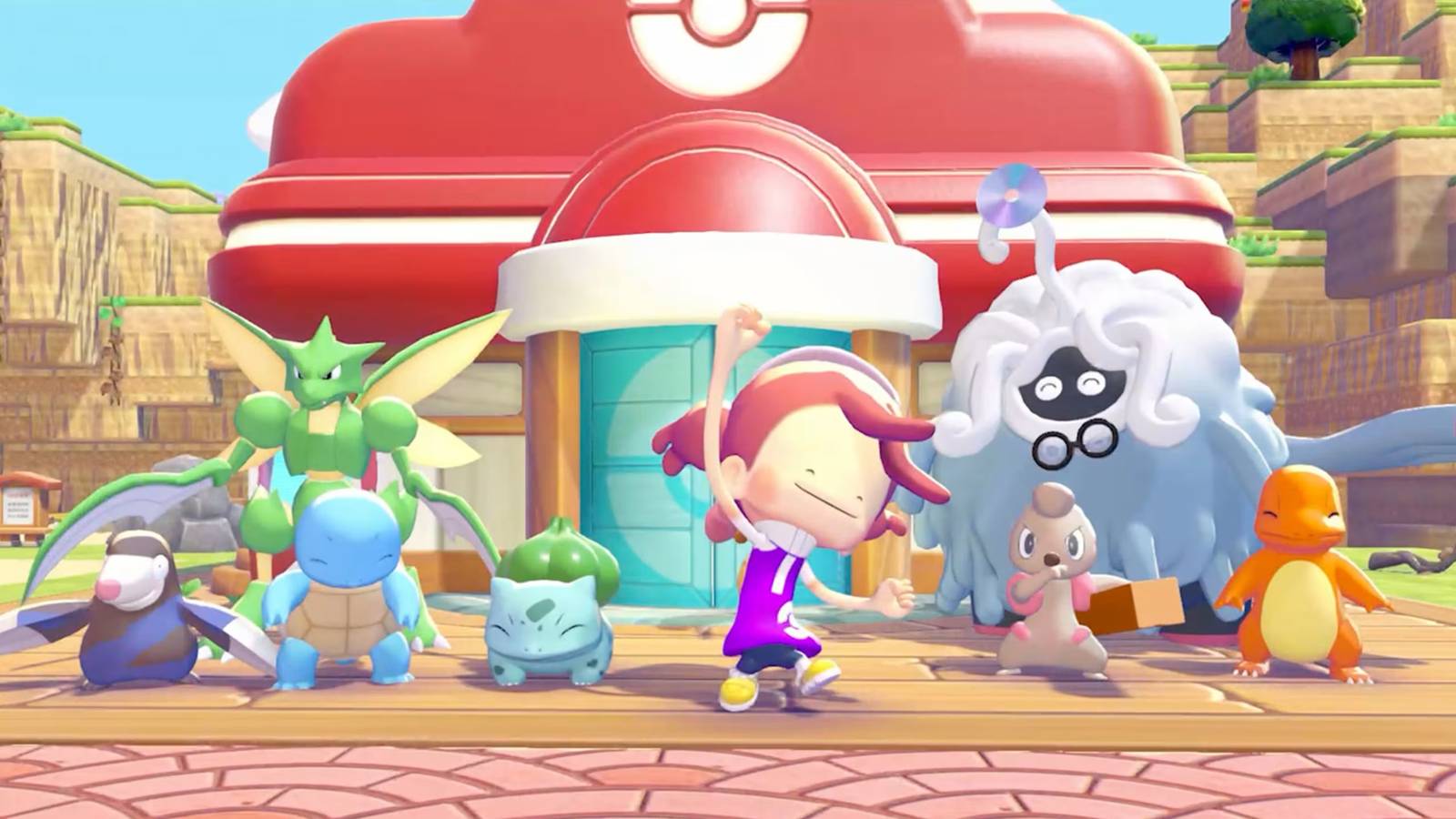
For Japan fans and language learners, this is a neat reminder that old-school hits still have serious power when they land on a modern system. The Switch audience loves convenience, but it also loves a return trip to classic 関東 (Kanto, Kanto region). Sounds good, right?
![Startup Company [Console Edition] (Limited Edition)](https://s.pacn.ws/1/p/157/startup-company-console-edition-limited-edition-741799.16.jpg?v=ry4mm8&width=400)
![Startup Company [Console Edition]](https://s.pacn.ws/1/p/157/startup-company-console-edition-741779.10.jpg?v=ry4ngq&width=400)
Pokemon FireRed and LeafGreen sales on Switch are grabbing attention
Pokemon FireRed and LeafGreen are back in the spotlight, and this time it's because of their strong performance on Switch. According to IGN, Nintendo has been highlighting the sales of these Game Boy Advance classics, even while some players keep complaining about the online pricing strategy. Wild, isn't it?
What many overlook is that these games first arrived in 2004 in Japan as Pokemon FireRed and Pokemon LeafGreen, and they were part of Nintendo's big effort to refresh the original Kanto adventure for a new handheld generation. They were developed by Game Freak and published by Nintendo, with the same core charm that made Pokemon Red and Green such a hit back in the 1990s. So when they show up on Switch, the reaction isn't just about convenience, it's about reliving a very specific era of gaming history.
Why retro Nintendo still sells so well on Switch 2
Compared with back home, where old games often get treated like dusty archive pieces, Nintendo fans in Japan tend to keep a warm spot for legacy titles. The Switch and Switch 2-style audience is perfect for that, because people can jump into a classic on a train ride, on the sofa, or between classes. The hardware makes retro feel practical again, not just sentimental.
The reason's simple: Pokemon is one of the few series where a 20-year-old release still has instant name recognition. Even readers who are just starting Japanese can pick up useful gaming words from menus, battle commands, and item names, then compare them with the English versions they know. My tip is this: if you're learning Japanese through games, Pokemon is still one of the easiest places to train your eye for repeated phrases and UI vocabulary, from 最強 (saikyo, strongest; super strong)-style battle flavour to shop dialogue that feels surprisingly natural. Not bad, right?
The nostalgia factor is doing real work
Trust me on this one: nostalgia isn't some vague marketing slogan here, it's the main product. FireRed and LeafGreen let players return to Pewter City, Cerulean City, and the Indigo Plateau with cleaner presentation and portable play, which is exactly the kind of comfort many fans want after years of bigger and busier games.
What many Japanese fans like is that the rhythm feels old-fashioned in the best way. You travel, battle, heal, and collect badges at a pace that doesn't overwhelm you. For learners, that slower structure makes it easier to notice recurring phrases and simple grammar patterns, which is handy when you're trying to build reading confidence.
The pricing backlash didn't stop people from buying
Here's the deal: the reaction online hasn't all been cheerful. IGN notes that Nintendo's sales push came despite criticism over how the games were priced and marketed on the service, and that controversy has been part of the conversation since the announcement. Some players feel the value is obvious, while others think classic GBA software should cost less, especially when they compare it with cheaper indie titles or subscription-based options.
Let's be honest: that kind of backlash usually matters, but not always enough to stop sales. Pokemon has a huge built-in audience, and many fans are willing to pay for convenience, official access, and the simple joy of having these games on a modern handheld. When the brand is this strong, online complaints can be loud without being decisive.
Why Nintendo keeps leaning on old favourites
Seriously though: Nintendo has always understood that its back catalogue is an asset, not just a museum. Mario, Zelda, and Pokemon all benefit when the company can bring older releases to current hardware and frame them as part of the same living ecosystem. That approach works especially well in Japan, where respect for long-running series is built into the culture of fandom.
From a language-learning angle, that also means you can study one series across multiple generations and pick up small shifts in wording, character tone, and menu design. A move name, a healing item, or a city description can give you a tiny vocabulary boost without feeling like a textbook lesson. Simply brilliant.
What Japan fans and learners can take from this sales story
Plot twist: the biggest lesson here isn't about one pair of GBA games, it's about how strong the retro Nintendo brand still is on modern hardware. FireRed and LeafGreen prove that a well-loved handheld classic can still pull attention in 2026-era discussions, especially when it taps into childhood memories and easy portability.
For Japan fans, that makes the Switch 2 ecosystem feel like a bridge between eras. You can enjoy modern releases, then hop backwards into older Pokemon adventures and still feel like everything belongs to the same world. What I especially like is that mix of old and new, because it's one of the reasons Nintendo remains so good at keeping players attached for years. From my experience...
If you want more Japan-related gaming and culture updates, check out more Japan news on jpnerd.com.
Frequently Asked Questions
Why are these old Pokemon games selling so well?
Because they combine strong nostalgia with easy access on a modern handheld.
What was the controversy about?
Some players criticised the online pricing and marketing choices.
Can Japanese learners get value from playing them?
Yes, the menus, battle text, and item names are great for beginner reading practice.