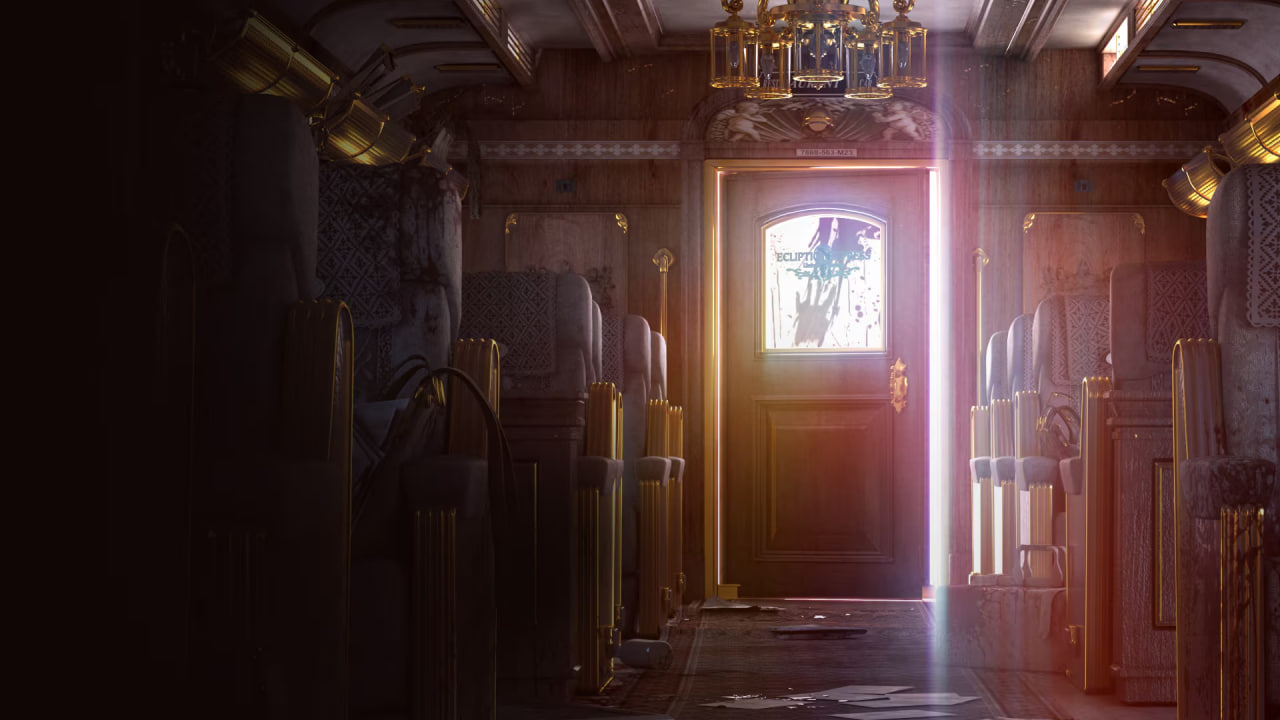
Capcom’s free Resident Evil Requiem update changes the shape of the game
Here’s something that probably doesn’t get enough attention: Capcom doesn’t treat all post-launch content the same way. Sometimes you get a tidy expansion, sometimes a paid costume pack, and sometimes, if the timing feels right, you get a free mode that changes how the whole game plays. That’s what makes the new roguelike mode for Resident Evil Requiem worth a closer look.
![Dragon Ball Z: Kakarot [Master Edition]](https://s.pacn.ws/1/p/1eh/dragon-ball-z-kakarot-master-edition-908785.1.jpg?v=t8ja8t&width=400)

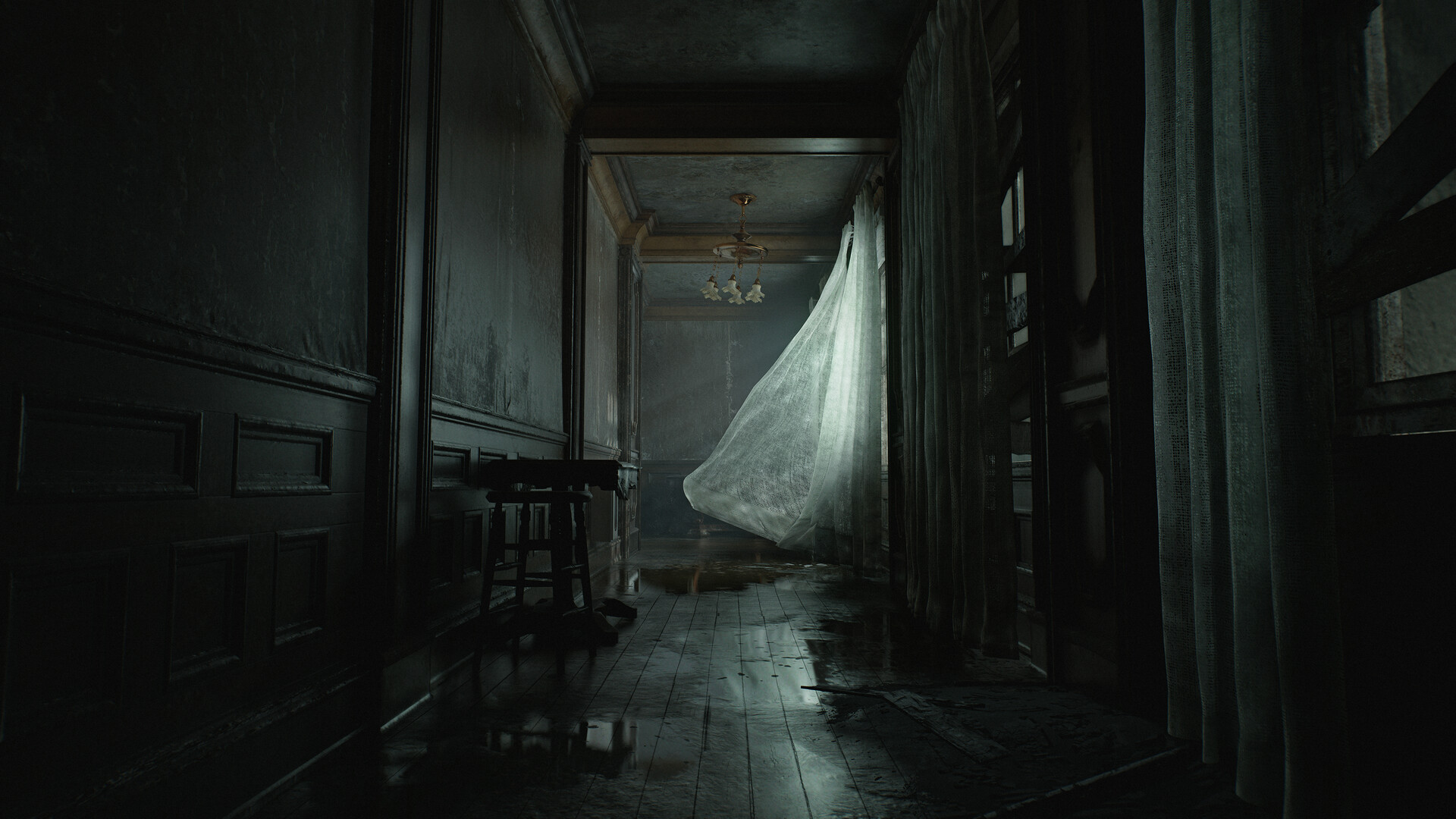
Resident Evil has always been good at turning repetition into tension. You learn a hallway, a room, a safe route to a typewriter, then the game twists the knife and makes that knowledge feel fragile. A roguelike structure fits that idea very neatly. Runs reset, resources stay limited, and the map or enemy pattern can shift just enough to keep you cautious. Sounds weird, but it’s true. Horror and procedural design actually get along better than you might expect.
Capcom also gets something practical out of this. A free update keeps players coming back, it gives streamers a fresh reason to revisit the game, and it keeps the conversation going between bigger paid releases. Three beats, same business logic: retention, visibility, momentum. Not bad, right?
Why a roguelike mode works so well for Resident Evil
The reason is simple: survival horror already lives on uncertainty. In a standard campaign, once you know where ammo sits or which door opens next, the fear changes shape. It doesn’t disappear, but it becomes memory-based. A roguelike mode pulls that ladder out from under you and asks you to improvise again, which is exactly where Resident Evil tends to feel sharpest.
Randomness is not the enemy here
To be fair, roguelike design can be sloppy when it leans too hard on random drops and says that equals replay value. I’ve seen that happen in action games, and I’ve seen it happen in a cramped little arcade cabinet near 中野ブロードウェイ (Nakano Broadway, Nakano Broadway shopping complex) where the difficulty felt less like design and more like a dare. But in a horror game, uncertainty has a job. It creates hesitation. It makes you count bullets twice. It makes a corridor feel longer than it is.

That’s where Resident Evil has an advantage over a lot of other franchises. Capcom already understands pacing, inventory pressure, and short, punishing encounters. A roguelike mode can remix those ingredients without breaking the recipe. The result is not just “more content.” It’s a different rhythm. And rhythm matters more than people admit.
My tip: if you usually play Resident Evil for atmosphere rather than speed, this kind of mode is probably more interesting than it sounds on paper. The best horror systems are the ones that keep you a little underfed and a little overconfident at the same time. My verdict: Capcom knows that trick well.
Story DLC and the business of keeping horror alive
What makes this update especially interesting is the mention of story DLC alongside the free roguelike mode. That combination tells you Capcom is thinking in layers. One layer is goodwill, because free updates build trust. Another layer is monetisation, because paid story content still has value if the base game stays active. The third layer is brand health, and that one matters more than executives like to admit out loud.
Compared with back home, where a lot of publishers still treat post-launch support like a checklist, Capcom tends to move with more confidence. The company has spent years refining the Resident Evil formula through remakes, expansions, and side content that actually feeds the main audience instead of insulting it. Resident Evil 7 biohazard in 2017 and Resident Evil Village in 2021 both showed how much mileage the series can get from controlled, tightly managed additions. This new update feels like part of that same playbook.
Seriously though: I like when a publisher gives you a free mode that sounds like it came from a designer’s notebook rather than a spreadsheet. There’s always a spreadsheet, of course. There’s also usually a meeting about the spreadsheet. But every so often the design wins, and you can feel it in the result.
Why Japan fans and Japanese learners should care
Fun fact: Capcom is one of the clearest examples of Japanese game design reaching a global audience without losing its identity. The company was founded in 1979 in Osaka, and even now its games still carry a very specific sense of pacing, restraint, and mechanical clarity. That matters if you follow Japan games closely, because you can see how local design traditions survive inside huge international franchises.

For Japanese learners, Resident Evil is also useful because it sits right inside a broader media ecosystem. Game news, livestream talk, and fan discussions often use a set of recurring romaji terms like 採点 (saiten, scoring / grading), 改善 (kaizen, continuous improvement), and ガチャ (gacha, capsule-toy draw / gacha mechanic), depending on the topic and community. You don’t need those words to enjoy the update, but paying attention to how Japan gaming news gets discussed can help you build reading stamina in a very natural way. The same applies to brand names and place names. Osaka, Tokyo, Capcom, and Resident Evil all carry context before you even get to the grammar.
And here’s the thing: horror fans and Japan fans overlap more than people assume. The same audience that watches Nintendo Directs, follows Capcom announcements, and keeps one eye on Tokyo game events often likes systems that reward attention. A free roguelike mode does exactly that. It gives you a reason to test your habits, then punishes the habits you got too comfortable with. Honestly, that’s good horror design. It’s also good fan service, which is rarer than it should be.
Pro tip: when you read Japanese gaming news in romaji-heavy coverage, look for how writers frame updates. Free content, story DLC, balance changes, and event modes each signal a different business strategy. Once you start spotting those patterns, the articles become much easier to read, and a lot more interesting. Wait, there’s more.
In pictures
Frequently Asked Questions
What is the new Resident Evil Requiem mode?
It is a free roguelike mode that changes how each run plays, likely by adding replayable, randomised tension.
Is the new mode paid?
No, Capcom added it as a free update.
Why does this matter for Japan game fans?
It shows how a major Japanese publisher keeps a horror series active with both free updates and story DLC.