
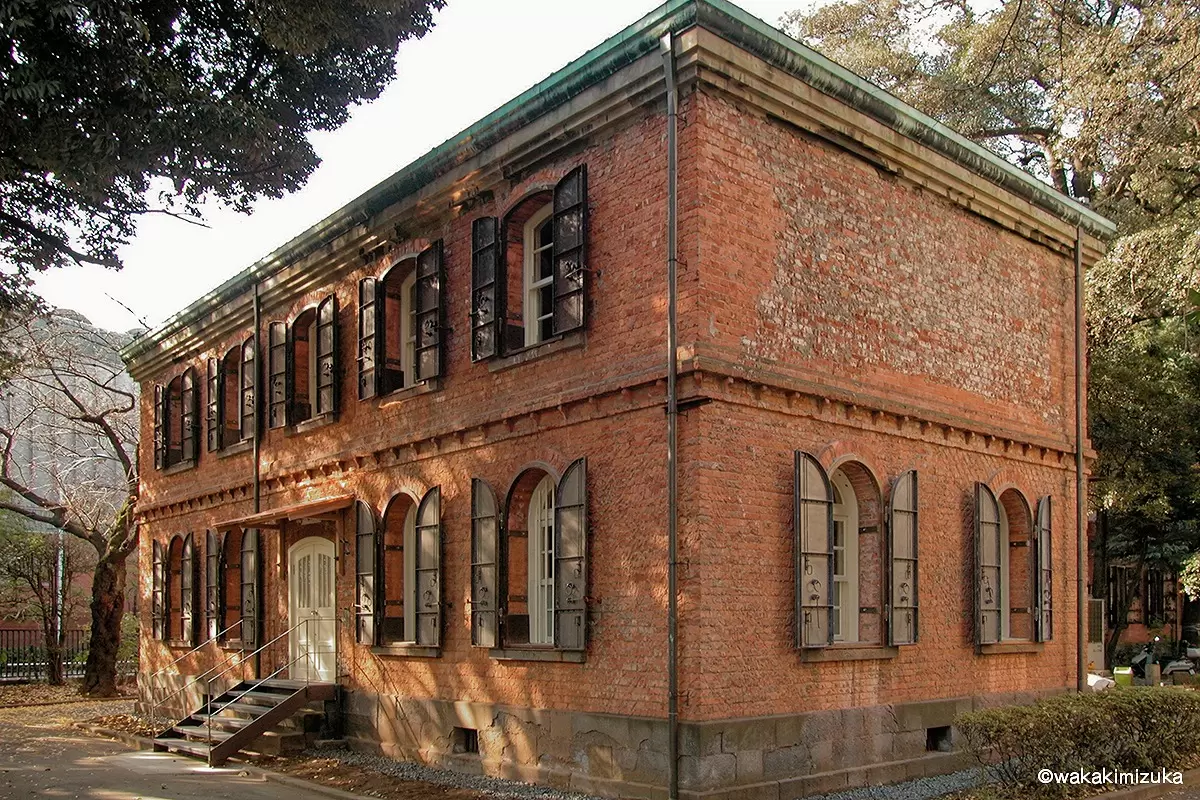
Tokyo Architecture Festival 2026 turns the city into an open-air lesson
Here’s the deal: Tokyo Architecture Festival 2026 is set to showcase 151 modern and historic buildings across the city, according to MATCHA Japan Travel Guide. That number matters. It means this isn’t just a neat weekend event, it’s a citywide map of how Tokyo grew, broke apart, rebuilt itself, and kept changing shape.



For Japan lovers, this is the kind of festival that rewards slow walking. You’re not just looking at famous landmarks, you’re reading the city through design, materials, and eras. Hand on heart, that’s a much better way to understand Tokyo than treating it like a checklist of stations and food stops.
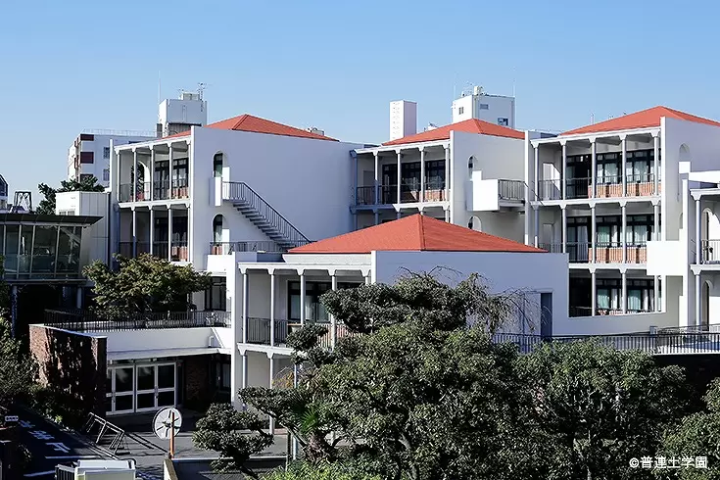
151 buildings, from modern icons to older survivors
What many overlook: the strength of this event is the mix. The 151 featured buildings span modern architecture and older structures, so you can trace the city’s visual memory in one sweep. Tokyo has always been a place where fresh ideas meet practical rebuilding, and that tension shows up in the skyline, on street corners, and in the smaller details people usually miss.
Why that mix matters for architecture nerds
Modern Tokyo is often discussed through glass towers, postwar rebuilding, and the metabolist movement, but older buildings give the story its emotional weight. A preserved facade, a low-rise wooden building, or a mid-century concrete shell can tell you as much about Tokyo as a gleaming high-rise. Seriously though, if you care about how cities evolve, this is the fun part.
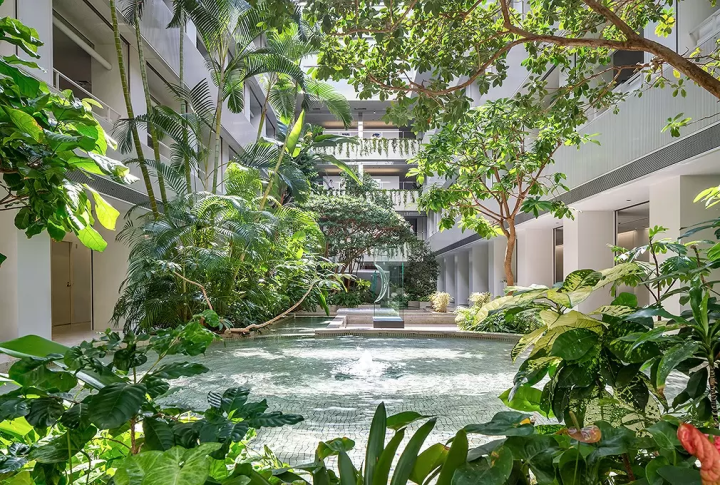
My tip? Don’t focus only on the obvious names. The real joy comes from spotting how old and new sit side by side, sometimes harmoniously, sometimes awkwardly. That contrast is Tokyo in a nutshell. See what I mean?
Tokyo, concrete, metabolists, and the city as a living archive
Fun fact: Tokyo is one of the best places in the world to study how architecture reflects social change. After war damage, land pressure, changing building codes, and repeated redevelopment, the city became a layered archive rather than a frozen museum. That is exactly why a festival like this hits so hard for nerds who like urban history, concrete, and the metabolist idea of buildings that could grow, shift, or be replaced over time.
Plot twist: some of the most interesting Tokyo buildings aren’t the biggest ones. A modest office block from the postwar boom, a carefully kept prewar structure, or a later concrete experiment can tell a stronger story than the tallest tower in the area. If you’ve ever looked at a slab of reinforced concrete and thought, “Okay, but why does this feel important?”, this event is for you.
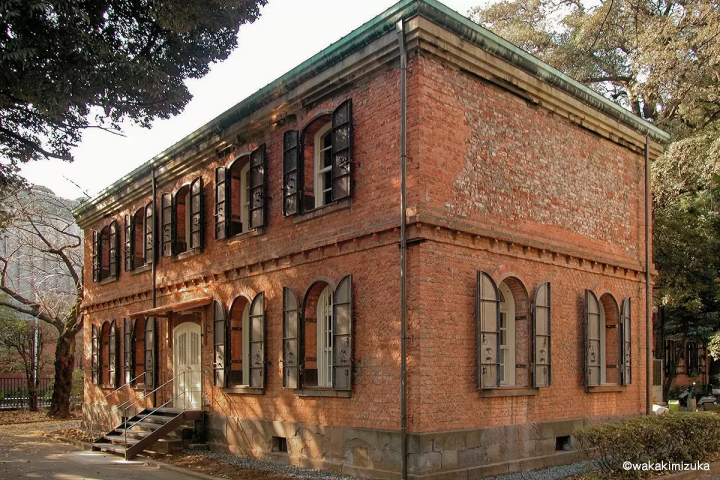



How Japanese learners can use a festival like this
What many overlook: architecture events are also great language practice. If you read signs, audio guides, or building descriptions in Japanese, you’ll keep seeing useful words like 建築 (kenchiku, architecture) for architecture, 建築家 (kenchikuka, architect) for architect, and concrete terms tied to design, space, and restoration. That kind of vocabulary sticks because it’s tied to real places, not flashcards.
And yes, it helps with cultural context too. When Japanese speakers discuss older buildings, they often frame them through memory, preservation, and everyday use, not just style. That gives your Japanese study some texture. Not bad, right?
Why Tokyo Architecture Festival 2026 feels like a strong culture guide
It’s early morning in Kyoto. You’re on a train to Tokyo, or maybe just planning your next trip, and you want something deeper than the usual travel highlights. This festival offers exactly that kind of deeper read on the city, because it encourages you to pay attention to form, history, and the politics of space rather than only to famous names.
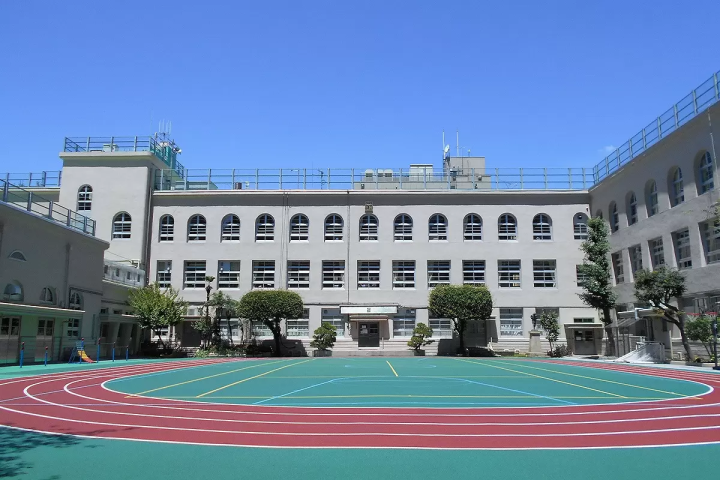
On a related note, events like this are also great for repeat visitors. If you’ve already seen 渋谷 (Shibuya, Shibuya), 浅草 (Asakusa, Asakusa), and the big museums, a building-focused itinerary gives you a new lens. You can revisit familiar neighbourhoods and suddenly notice a facade, a stairwell, a courtyard, or a preserved entrance that you walked past before without thinking twice.
Here’s the kicker: Tokyo architecture is never just about architecture. It is about memory, rebuilding, ambition, and the constant tug between preservation and replacement. That is why 151 buildings is such an enticing number. It gives you enough range to feel the city’s breadth, but enough focus to make the visit feel purposeful.
Personally, I love city events that make me slow down and look up. Tokyo can feel like a place that wants your attention, and this festival gives you a smart reason to give it. If you’re into Japan’s urban story, this is one to bookmark. Personally...
Frequently Asked Questions
What is Tokyo Architecture Festival 2026?
It is a citywide architecture event in Tokyo that highlights 151 modern and historic buildings.
Why is it interesting for Japan fans?
It shows how Tokyo changed over time through design, rebuilding, and preservation, which makes the city easier to understand.
Can Japanese learners get something from it too?
Yes. Building descriptions, guided tours, and related articles can help with practical vocabulary and cultural context.
Sources
For more Japan news and culture stories, more Japan news on jpnerd.com

