The setting’s easy to reach, the mood is low-key, and the history runs deeper than the crowds suggest. What most people don’t know is that Hakusan is also a name you’ll keep seeing in Japanese culture, from place names to religious tradition, so it’s a handy stop for learners who want context with their sightseeing.
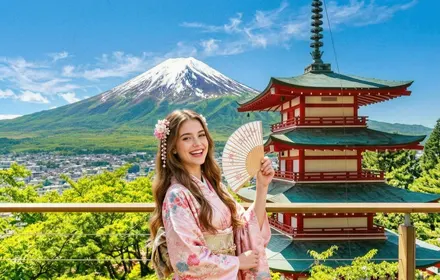
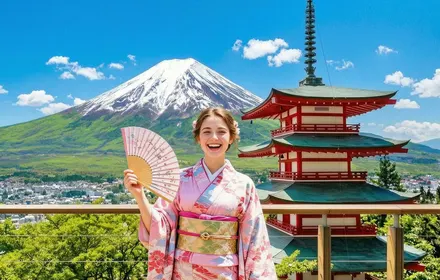
Hakusan Shrine in Tokyo, and why it matters
Hakusan Shrine sits in Bunkyo, one of Tokyo’s quieter central wards, and that already tells you a lot about the experience. This isn’t a mega-attraction packed with souvenir stalls; it’s a local shrine with a long memory, and its name points back to Mt Hakusan, a mountain that has been regarded as sacred since ancient times, according to the Historic Villages of Shirakawa-gō and Gokayama entry.
For travellers, that matters because Hakusan Shrine isn’t just a pretty stop for photos. It connects Tokyo to older layers of mountain worship, and that link gives the place more weight than its size might suggest. No exaggeration: if you like shrines with a clear sense of place, this one delivers.
What most people don’t know is that the name Hakusan appears in different parts of Japan, and it often carries a sacred or historical feel. That makes it a useful word for Japanese learners too, because you’ll see hakusan in place names, shrine names, and culture-related articles, and the meaning shifts depending on context. My tip: when you spot a shrine name like this, treat it as a clue, not just a label. See what I mean?
How to get there and what kind of area it is
Want a shrine that fits neatly into a Tokyo day trip? Hakusan Shrine is easy to pair with nearby walks in Bunkyo, and the station names alone show how well connected the district is. The Bunkyo page lists Hakusan Station on the Toei Mita Line, alongside Sengoku, Kasuga and Suidobashi, so you’re not dealing with an awkward out-of-the-way transfer chain.
Quick detour: Bunkyo is one of those wards that often gets overlooked by first-time visitors who focus on Shibuya, Shinjuku or Asakusa. That’s a shame, because quieter neighbourhoods can be the best places to feel the everyday rhythm of Tokyo. A shrine visit here usually feels less like an event and more like a pause, which is exactly the point. Not bad, right?
Speaking of which... the surrounding area helps shape the visit. You won’t need to build a whole day around Hakusan Shrine unless you want to, and that makes it appealing for learners who are already planning a nearby stop for lunch, a bookstore browse or a slower neighbourhood walk. The balance is simple: easy access, but still enough calm to feel like you’ve stepped away from the city rush. My verdict? That’s a strong combo for travel.
Hakusan, sacred mountains, and shrine culture
Why does a Tokyo shrine carry a mountain name? The answer’s rooted in Japanese religious history. Mt Hakusan has long been treated as a sacred summit, and mountain worship has shaped many shrines across the country, especially where nature, pilgrimage and local belief overlap.

That pattern also helps explain why shrines can feel so varied from one region to another. Some are tied to major historical figures, like Nikkō Tōshō-gū, which was first built in 1617 and later expanded under Tokugawa rule. Others, like Hakusan Shrine, feel more local and understated, but they still sit inside the same broad shrine tradition. On the flip side, a smaller shrine can sometimes tell you more about everyday belief than a famous monument can.
That reminds me: if you’re learning Japanese, shrine vocabulary is worth paying attention to because it comes up everywhere. Words like 神社 (jinja) for shrine, 神 (kami, deity; god) for deity, and 鳥居 (torii, shrine gate) for the gate are common enough to become part of your travel toolkit. Learn them, and you’ll understand more of what you’re seeing without needing a guidebook every time. My tip: keep a note on your phone with a few shrine words in romaji; it makes visits much more rewarding.
What I especially like is how Hakusan Shrine links Tokyo to wider Japanese geography without forcing the issue. The same Hakusan name also appears in places far from the capital, and that sense of continuity is very Japanese, history tucked into ordinary place names. It’s a small thing, but small things are often where the best travel insights hide. See what I mean?
Planning a visit without overcomplicating it
Do you need a special reason to go? Not really. Hakusan Shrine works well as a calm stop between busier sights, especially if you’re already exploring Bunkyo or nearby parts of central Tokyo. Because the shrine isn’t a major tourist machine, the visit is best approached with low expectations and an open schedule.
Pro tip: if you’re building a Japan itinerary around local neighbourhoods, pair shrine visits with simple seasonal themes. Spring is good for blossoms, autumn for leaves, and even an ordinary weekday can feel nicer when you’re moving at shrine pace instead of train-station pace. Japanese travel often rewards that kind of flexibility.
For language learners, this is also a good place to practise reading surroundings. Signboards, offering practices, and shrine labels give you repeated exposure to the same terms, which is a lot easier to absorb in context than from a vocabulary list alone. No pressure, just repetition with scenery. That’s a pretty good deal.
Frequently Asked Questions
Where is Hakusan Shrine?
It is in Bunkyo, Tokyo, a central ward known for quieter neighbourhood streets and easy rail access.
Why is it called Hakusan Shrine?
The name points to Mt Hakusan, a mountain long regarded as sacred in Japanese religious tradition.
Is it a good stop for Japan travellers?
Yes, especially if you like smaller shrines, local atmosphere, and places that connect travel with cultural context.