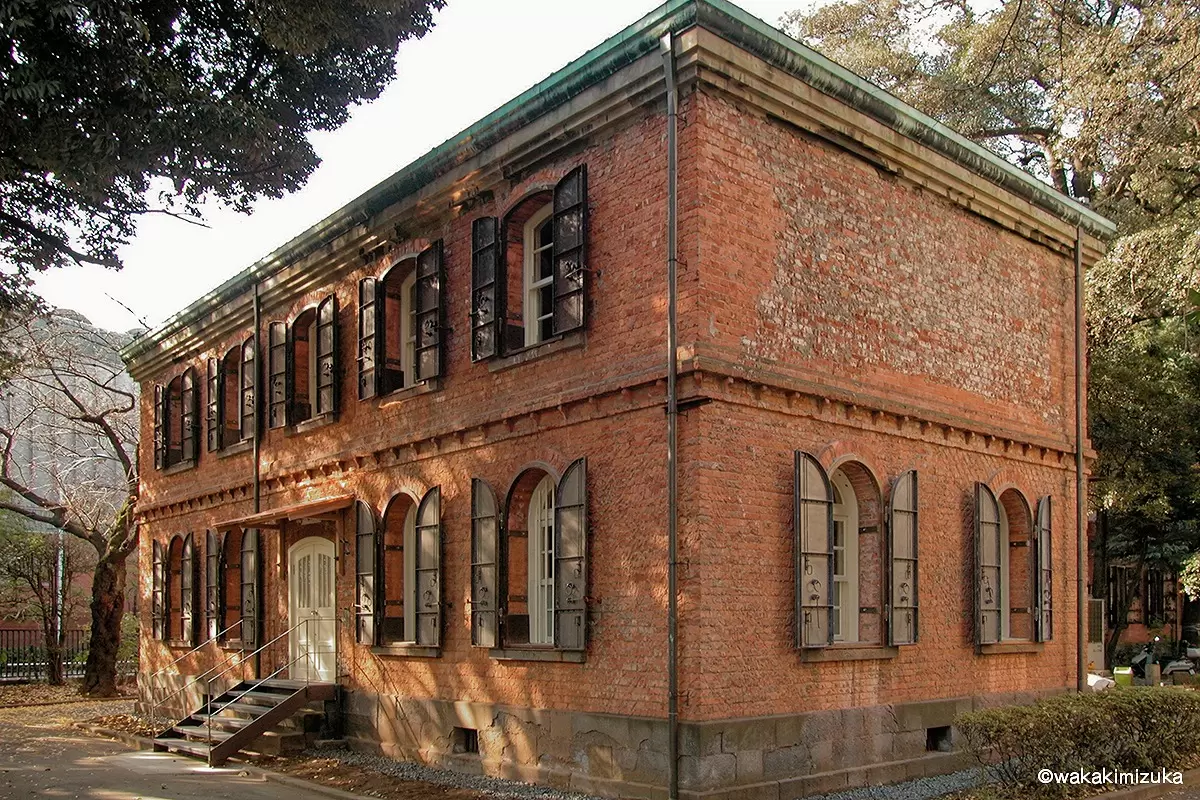
Overview: What the Tokyo Architecture Festival Actually Is
If you've ever wondered what Tokyo would look like without the postcard shots of Tokyo Tower and Shibuya Crossing, the Tokyo Architecture Festival is where you find the answer. Held every May, it turns the entire city into a walkable, open-air museum for a few weeks. Buildings that most people walk past without a second glance suddenly get opened up, explained, and celebrated. I love that I get to trade my usual wandering-with-no-plan approach for something more deliberate during festival season, because the map they hand you completely changes how you see a street you thought you already knew.
A City Built and Rebuilt: Why Tokyo's Architecture Looks the Way It Does
Tokyo's skyline is not the product of one era. It's what happens when a city gets knocked down and rebuilt again and again, by earthquakes, fire, war, and its own ambition. Add strict fire codes, relentless land pressure, postwar destruction and reconstruction, the push toward the Olympics, and decades of real-estate booms, and you get a streetscape where buildings from very different decades sit side by side. That collision of eras is exactly what the festival wants you to notice. Instead of treating it as visual chaos, it reframes the city as a living archive, layer upon layer, still being written.
Inside the Lineup: 151 Buildings, Old and New
The 2026 edition spotlights 151 modern and historic buildings, according to a curated list compiled by MATCHA Japan Travel Guide. That number alone tells you this isn't a festival built around a handful of famous names. The lineup spans Metabolism-movement structures from Japan's most radical postwar design era, sober postwar modernist office buildings, and older wooden 町家 (machiya, traditional wooden townhouse) townhouses that predate most of the skyline around them. A recurring theme ties it together: many of the featured buildings are ones normally overshadowed by more famous landmarks nearby, structures you'd never think to look up at unless someone pointed and said, look.
- Metabolism-movement landmarks from the postwar experimental era
- Postwar modernist office and civic buildings
- Older, more intimate machiya houses and townhouses
- Smaller experimental buildings rarely open to the public
Neighborhoods to Explore
The festival organizes itself around neighborhoods, and the 2026 edition's participating areas include Shibuya, Ueno, Nihonbashi, Marunouchi, and Minato. Each has its own architectural personality: Marunouchi's dense cluster of corporate towers, Nihonbashi's mix of old merchant-district bones and glass high-rises, Ueno's museum-adjacent public buildings, Shibuya's ongoing reinvention, and Minato's blend of embassies, towers, and quieter residential pockets. Worth noting: Koto isn't among this year's listed neighborhoods, and Ginza, which was part of the original 2024 edition's area alongside Nihonbashi, Kyobashi, Otemachi, Marunouchi, Yurakucho, and Tsukiji, isn't confirmed as one of the currently highlighted 2026 districts. The exact neighborhood lineup shifts somewhat from year to year, so it's worth checking the current edition's map rather than assuming last year's areas carry over.
Tours, Talks, Open Houses, and Exhibitions
What actually happens during the festival is where it gets good. Programming includes guided tours, talks and discussions, open-house visits, and special exhibitions, often led by the architects, curators, or local experts who know these buildings from the inside. That last detail matters. A guided walk led by someone who worked on a building's renovation, or who's spent years researching a neighborhood's postwar redevelopment, tells you things no plaque ever could. The festival deliberately leans into buildings that are normally hard to access or easy to overlook: office tower lobbies you'd never wander into uninvited, community spaces tucked into dense residential blocks, small experimental structures that rarely, if ever, open their doors to the public. I've stood in lobbies during festival week that I must have passed a hundred times without registering they existed. That's the whole point.
Why This Festival Is Worth Your Time
And that's what makes the Tokyo Architecture Festival worth building a trip around, even if architecture isn't usually your thing. It takes more patience than a checklist of famous sights, but it rewards you with a version of Tokyo that guidebooks tend to skip over. The festival's whole premise, that Tokyo functions as a living, walkable archive rather than just a skyline of landmarks, changes how you read the city afterward. You start noticing the seams: where a machiya ends and a glass tower begins, where a decades-old experiment sits quietly next to something built much more recently. No matter how many times I walk these streets, there's always a building I hadn't clocked before.
How to Get Started: Planning Your Own Architecture Walk
Getting started is refreshingly low-key. Because the festival runs annually in May, when Tokyo's weather is mild enough for hours of walking, it's worth blocking out time on your spring calendar well in advance.
- Check the current year's participating neighborhoods and building list before you go, since the lineup changes annually
- Reserve spots for guided tours and open-house visits early, as expert-led walks tend to fill up
- Pick one or two neighborhoods rather than trying to cover the whole city in a day
- Look for curated guides, like MATCHA's building lists, to plan a walking route by era or style
- Follow neighborhood and ward tourism sites for scheduling details, since organizers can vary by district
A Few Words Worth Learning Along the Way
If you've been studying Japanese for a while, the festival doubles as a nice vocabulary workout. 建築 (Kenchiku, architecture) means architecture, and you'll see it everywhere in event materials. 祭り (Matsuri, festival) is festival, machiya refers to the traditional wooden townhouses you'll spot on the tour routes, and 会館 (kaikan, hall / public building) shows up in the names of halls and public buildings you'll walk through. Learning to recognize these words adds a small layer of understanding to the visit, the kind of detail I still get a quiet thrill out of, even after years of living here. There's always something more to pick up, whether it's a building's history or just one more word.