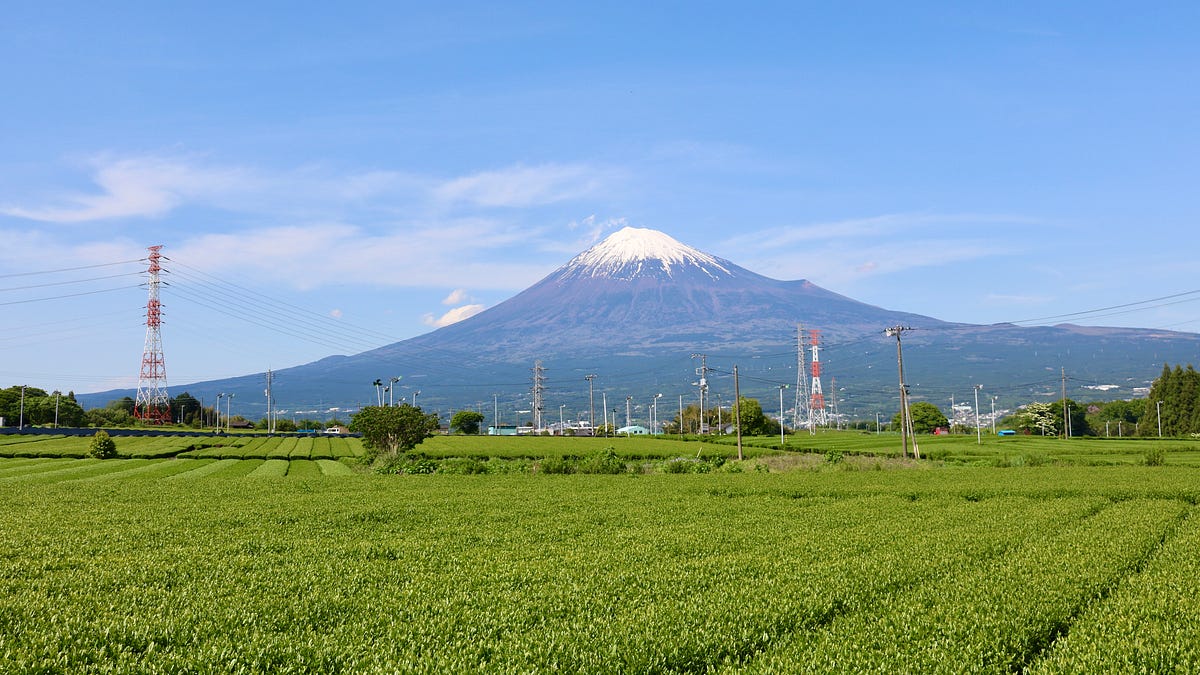
Hand on heart, this is one of those Japan travel stories that says a lot about the country right now. A view that once felt peaceful had turned into a traffic and crowd magnet, and locals decided enough was enough.
Mount Fuji overcrowding and the cancelled sakura festival
Here’s the deal: a spring 桜 (sakura, Kirschblüte) festival near Mount 富士山 (Fuji, Mount Fuji) was cancelled after the area became a serious tourism hotspot. The Asahi Shimbun reported that the event had been planned as a way to celebrate the season, but the organisers and local officials also wanted to reduce the burden on an already overloaded place. That tension, between sharing a beautiful view and keeping it liveable, is becoming a bigger part of Japan travel than many visitors expect.

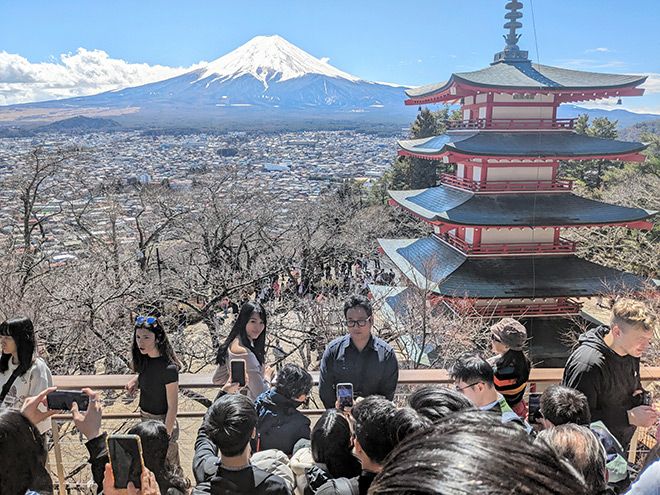
The location in question is one of those instantly recognisable Fuji scenes, with Mount Fuji in the background and a five-storey pagoda in the foreground. If you’ve seen photos of Japan on social media, you’ve probably seen this exact composition. It’s the kind of view that looks almost staged, and that’s exactly why it drew so many people.
Trust me on this one: once a spot goes viral, the challenge is no longer just popularity. It’s buses, parking, pavement congestion, noise, and the slow erosion of the calm that made the place worth visiting in the first place. Not bad, right? Or at least, not bad until the crowds show up in waves.
Why this Fuji view became a tourism hotspot
Know that feeling when a place you loved suddenly becomes famous on every travel feed? That’s what happened here. The combination of Mount Fuji and the pagoda made the area a must-see for domestic and foreign visitors alike, and in peak season the crowd levels became hard to manage.
Compared with back home, many travellers are surprised by how quickly a Japanese sightseeing spot can tip from pleasant to overwhelmed. In this case, the problem wasn’t just big visitor numbers, but the concentrated way people arrived for the same exact photo. One viewpoint, one season, one shot, and suddenly the whole area is carrying the weight of global attention.
Seriously though: this isn’t only about pretty scenery. It’s about the local experience. When a place is flooded with tourists, residents lose convenience, nearby roads get clogged, and the atmosphere changes. If you’ve ever tried to enjoy a famous cherry blossom site at peak hour, you know how fast the mood can flip. My tip: if you want a better Fuji photo, go early, be patient, and plan a backup spot.



What the cancellation changes on the ground
To be fair, cancelling a festival doesn’t magically solve overtourism. But it can still make a difference, especially if the event itself was drawing even more visitors into a fragile area. The decision signals that the priority has shifted from promoting the site to protecting it.
For Japan fans, that shift is worth watching closely. The country has many places where a single viral angle can overwhelm roads, platforms, and local routines. Here, a festival cancellation becomes a kind of pressure valve. No fireworks, no event traffic, fewer people chasing the same spring moment, and a little more room for the area to breathe. Wild, isn’t it?

While we're at it, this also reflects a broader debate in Japan about how to manage scenic places that sit at the intersection of tourism and daily life. Mount Fuji is an icon, but the communities around it still have to function. When local people say a site needs relief, that’s usually a sign the situation has already gone past normal busy season. See what I mean?
Japanese learning takeaway: how to talk about crowd pressure
Seriously though: this story is useful for Japanese learners because overtourism vocabulary comes up a lot in news coverage. If you follow Japan news in English and then compare it with Japanese headlines later, you’ll start spotting recurring ideas like crowding, congestion, seasonality, and local burden. You don’t need to memorise a long word list, just recognise the pattern.
Here are a few romaji expressions that fit this kind of article naturally: おばさん (o-basan, Tante; ältere Frau), sakura, and Fuji are easy entry points for cultural reading, but the bigger learning win is the theme itself. Think about how a news story connects scenery, public space, and community impact. That’s a very Japanese media angle, and it shows up often in travel reporting.
My verdict: this cancelled festival is a small example of a much bigger trend. Japan is still welcoming visitors, but places that go viral are increasingly being managed, restricted, or rethought. If you enjoy Japan travel, that’s not a bad thing at all. It may even lead you to better trips, calmer views, and more respectful plans. Highly recommended: travel a little slower, and the Fuji moments get better.
Frequently Asked Questions
Why was the festival canceled?
It was cancelled to reduce pressure on an overcrowded sightseeing area near Mount Fuji.
Why is this spot so popular?
It offers a famous view of Mount Fuji with a pagoda, which makes it a major photo destination.
Does this mean the area is closed to visitors?
No, but local authorities are trying to manage crowds more carefully.