Why Fujiyoshida shines in spring
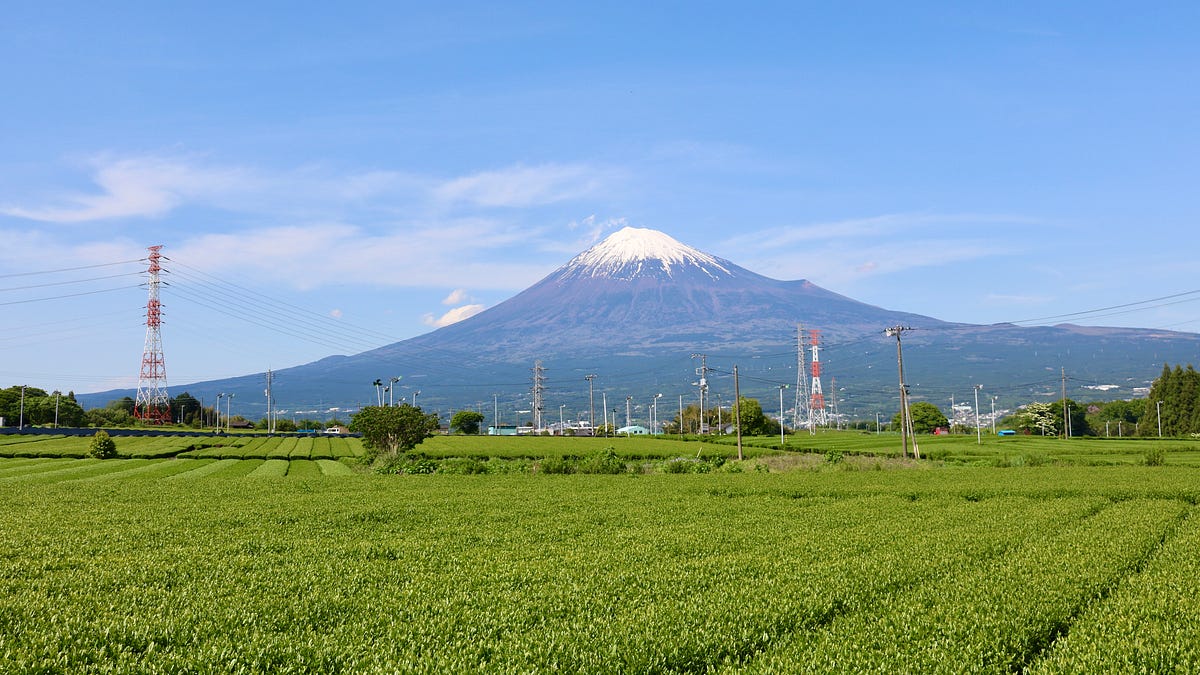
Picture this: carpets of pink and purple flowers with Mount 富士 (Fuji, Fuji (mountain)) rising behind them, capped with snow. The reason's simple: 富士吉田 (Fujiyoshida, Fujiyoshida (city)) sits on the northern slopes of Mount Fuji in Yamanashi prefecture, so spring arrives with dramatic contrasts, cool mornings, and long clear days suitable for viewing Fuji.
Unlike what we're used to in big cities, the air here feels different and fresher, and the scale of the landscape makes flower season feel cinematic. My tip? Arrive early at sunrise for softer light and fewer crowds. But that's not all.
Top flower farms and festivals in spring 2026
The first time I went to Japan, I timed my trip for spring and learned fast where to go. A great example is the Fuji 芝桜 (shibazakura, moss phlox) Festival at 本栖湖 (Motosuko, Lake Motosu) near Lake Motosu. It usually runs from mid-April to early June, with the shibazakura fields peaking around late April to mid-May. Expect thousands of pink moss phlox plants in rows that map out directly toward Fuji.
Fuji Shibazakura Festival (Motosuko)
Trust me on this one: this festival often attracts international visitors and local families, so plan for entry fees around 550 to 1,000 yen depending on the season and events. You can buy tickets and guided circuits via GetYourGuide, which lists 2026 options including shuttle services from 河口湖 (Kawaguchiko, Lake Kawaguchi).
Oishi Park and local flower trails
On a related note, Oishi Park on the north shore of Lake Kawaguchi is a reliable spot for spring flowers and seasonal displays. Lavender and seasonal azaleas show up a bit later than shibazakura, often from late May into July. Expect well-maintained paths and photo platforms aimed at Fuji views. Not bad, right?
Smaller farms and community festivals
Here's the catch: not every farm runs a big festival, but many local flower farms open to visitors with small admission fees, seasonal workshops, and fresh produce stalls. Check local tourism calendars in March and April for pop-up events in towns like Fujikawaguchiko and Oshino.
And it gets better: some ryokan and local cafes offer limited-time menus inspired by flowers, like 桜 (sakura, cherry blossom) sweets in April. Convinced yet?
How to see Mount Fuji up close
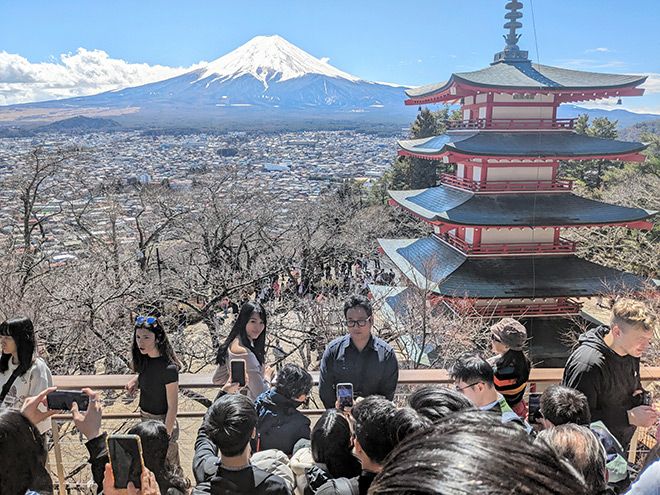
Question: where do you get the classic Fuji and flowers shot? A short climb up to Chureito Pagoda in Arakurayama Sengen Park offers one of the most famous framed vistas of Mount Fuji. The climb is around 400 steps, so bring comfortable shoes and a light jacket for those higher altitude breezes.



By the way, public transport is straightforward. From Tokyo, take the JR Chuo Line to Otsuki, then switch to the Fujikyu Railway to Kawaguchiko, with a total travel time of about 2 to 2.5 hours. Alternatively, highway buses from Shinjuku reach Kawaguchiko in about 1 hour 45 minutes and often run seasonal additional services for festival weekends.
Planning tips, tickets and practical advice
Here's the thing: spring weekends fill up fast, especially around late April and Golden Week. Book accommodation and any guided tours early, and check festival dates for 2026 because they can change by a few weeks depending on bloom timing.
Trust me on this one: rent a car if you want the freedom to hop between small farms, but expect narrow roads and limited parking for big festival days. On a related note, many visitors prefer guided tours listed on GetYourGuide, which bundle transport, guide commentary, and festival tickets.
My tip? Practice basic romaji phrases for polite exchanges, like arigato and onegaishimasu, and study flower vocabulary such as sakura and shibazakura before you go. What I especially like is that locals are proud of their seasonal events and often share free maps or recommendations, so ask at tourist centres in Kawaguchiko or Fujiyoshida station. Wait, there's more.
Best times and weather expectations
Fact: peak bloom varies each year based on temperatures. Historically, shibazakura peaks from late April to mid-May. Lavender and other summer flowers follow in late May to July. Plan a flexible window of a few days if your main goal is flower viewing, and always check recent photos on travel forums or local social feeds for the current bloom status.
The reason's simple: Mount Fuji's presence can change microclimates quickly, so a week of clear weather can make or break your shots. Wild, isn't it?
Frequently Asked Questions
When is the best time to visit Fujiyoshida for flowers?
Late April to mid-May is generally best for shibazakura. Other flowers like lavender peak later from late May into July.
How do I get from Tokyo to Fujiyoshida?
Take the JR Chuo Line to Otsuki, then the Fujikyu Railway to Kawaguchiko, which takes about 2 to 2.5 hours. Highway buses from Shinjuku take about 1 hour 45 minutes.